Netflix’s rise, Disney’s challenge, and more: Hollywood’s biggest commercial deals of 2025
No quiet on the Hollywood front with rapidly developing bidding wars
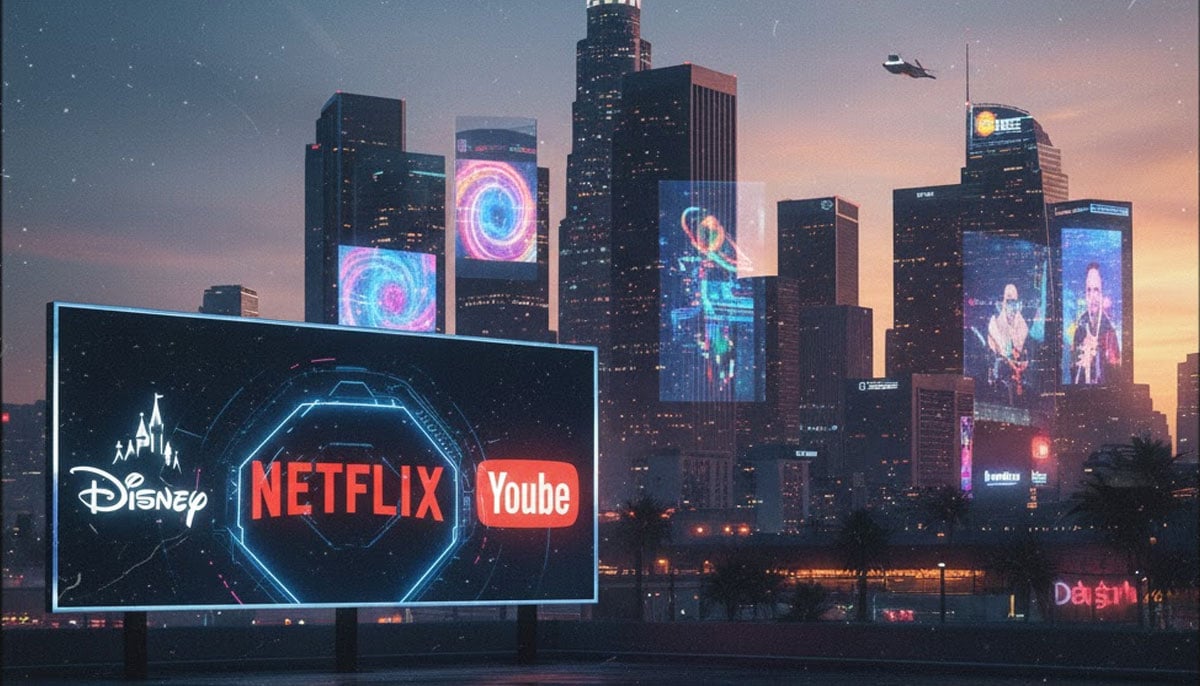
Observers and experts alike found themselves outdone by the American film industry’s unprecedented steadfastness towards basically imploding on itself this year — Hollywood saw more mergers, acquisitions, and bidding wars between multiple business models than ever before.
The shocking new deals materialised in real-time with the kind of media coverage which pop culture enthusiasts are usually used to experiencing where celebrity break-ups and tempting scandals are concerned — none of which bode well for the future of cinema and entertainment at large.
Indeed, the most unexpected news to emerge in the remaining months of 2025 was the currently on par acquisition of Warner Bros. by Netflix, also contested by the Paramount group.

The development especially left Hollywood experts and followers stunned because the studio experienced one of its best release years in a while, with original projects like Sinners, One Battle After Another, and Weapons crossing the high mark at box office with the same success as its franchise releases, including Superman and Final Destination Bloodlines.
With Tinseltown’s rapidly progressing capitalist hellscape, will 2026 be able to get ahead of the progress undone by the multi-million corporate decisions made this year? Only time will tell.
For now, all that can be done is look back at the mighty works and despair.

Both the streaming conglomerate Netflix and legendary Hollywood studio Paramount Pictures jumped into the arena to acquire Warner Bros.
With Netflix’s announcement getting off the ground first, the studio’s $82.7 billion sale appeared to be a deal set in stone.
However, according to The Hollywood Reporter, the Warner Bros. Discovery chief David Zaslav concocted a scheme “that would allow the Warners empire to be cleaved off between the studio side (WB Pictures, HBO, HBO Max) and cable networks (CNN, Discovery, TNT, USA), giving him the option of holding two sales instead of one.”
Furthermore, despite Paramount’s David Ellison seeking to close a “superior” deal for the iconic production company, “Warner Bros. Discovery has told its shareholders to reject Paramount Skydance’s $108.4bn (£80.75bn) takeover bid,” per BBC’s report from December 17.
With the seemingly stiff competition in sight, what can be said with absolute certainty is that Warner Bros. will not remain an independent entity for long.

It is easy to see why many believed that Paramount Global will have a better shot at acquiring Warner than Netflix since the company had already made a huge splash with its Skydance Media merger back in July.
Following the US Federal Communications Commission’s (FCC) approval of the deal, the company acquired Skydance for $8 billion.
Paramount was even willing to get ahead in the race by settling with Donald Trump, who was paid $16 million in settlement “over an interview it broadcast on subsidiary CBS with former Vice-President Kamala Harris,” reported the BBC.
Following the controversial merger, political commentator Bari Weiss was appointed as the editor-in-chief of the highly regarded American news institute, CBS.
She has since stirred the foundations and longtime audience of the network slightly by conducting a town hall — a celebrated debate segment on CBS — with Charlie Kirk’s widow, Erika Kirk, while introducing upcoming discussions like “Has Feminism Failed Women?” and “Should Gen Z Believe in the American Dream?”
While the TV broadcaster further cancelled The Late Show With Stephen Colbert, hosted by one of Trump’s most staunchly vocal critics, with the American president openly welcoming the decision while declaring that the talk show host lost his spot due to poor ratings and “a pure lack of TALENT”.

The Academy penned a deal signing over broadcast rights for the Oscars over to YouTube, which will begin streaming the esteemed awards gala on its platform, starting 2029.
With the Academy Awards being aired by ABC for decades now, the deal came as a shock despite not looking as bad as some of the others.
However, a fact worth noting is that if you think the Oscars going on Youtube will at least get you out of nagging commercial breaks, you shouldn’t hold your breath — it will not.
Giving the viewers a complete television experience, the glittering Hollywood evening will reach its audience in its entirely uncompromising, enterprise glory.

Disney, who owns half of everything you see on any screen today, closed yet another astonishing deal this year, even by their standards — one with the artificial intelligence giant, OpenAI.
THR reported on December 11 that the company “has decided to partner with OpenAI and invest $1 billion in the Sam Altman-run artificial intelligence juggernaut,” further signing a licensing deal with OpenAI’s video creation programme Sora, which will allow users to “create clips using iconic characters” from incredibly sought after Disney-owned material like Marvel, Pixar, and Star Wars.
“The three-year deal signals that studios may look to embrace, rather than fight, AI startups that already allow users to infringe on their intellectual property,” the report continued.
While industry experts have raised concerns that the groundbreaking deal would unlock unparalleled access for AI’s biggest bandwagon around, it is also notable that SAG-AFTRA (the actors union for Hollywood players) has cut a deal of their own with OpenAI “that appears to serve as a potential model for dealing with star likenesses, putting in place guardrails on the use of Bryan Cranston’s voice and likeness after an initial wave of user-generated videos appeared.”