


Home / Technology
2026 is when AI gets boring — and that’s the scary part
Calling AI 'boring' doesn’t mean it has failed. It means it has succeeded
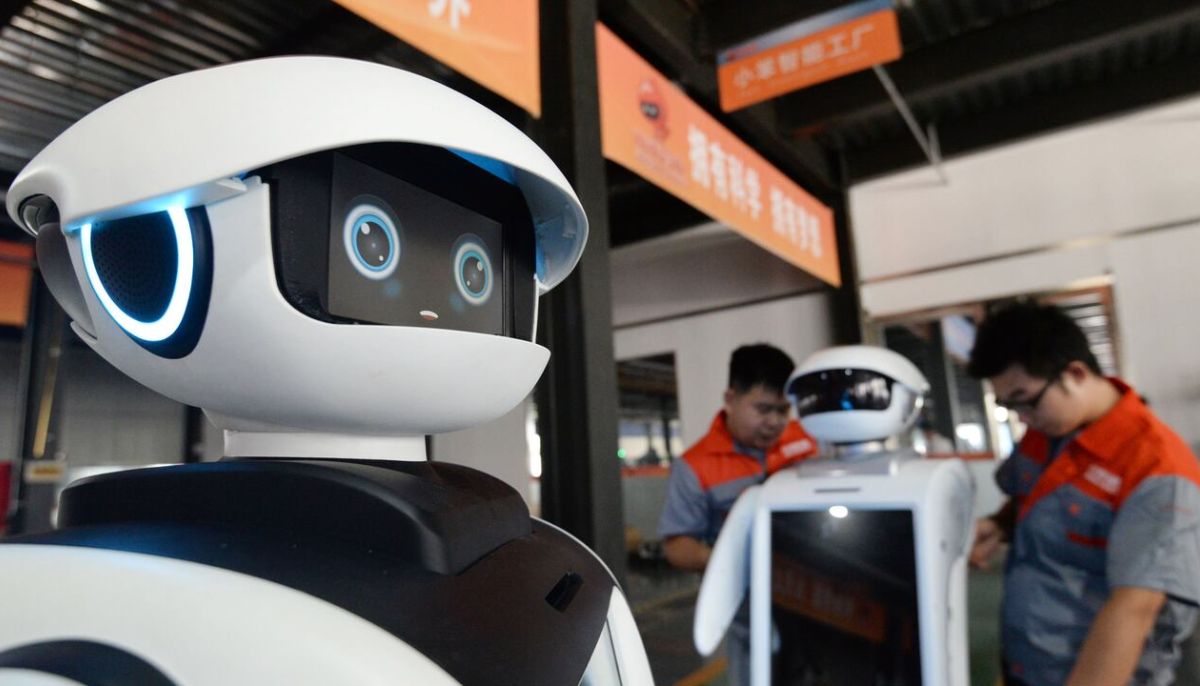
They say 2026 is when artificial intelligence (AI) gets boring, and honestly, it’s hard to argue with that. After years of hype, jaw-dropping demos, and endless predictions about machines replacing humans, AI is slowly slipping into the background.
When a technology stops feeling magical and starts feeling normal, it usually means it has quietly taken control of the foundations of everyday life.
Is AI becoming boring?
Calling AI “boring” doesn’t mean it has failed. It means it has succeeded. AI is no longer something people stop to admire. Tasks that once took hours are now done in seconds by chatbots and automated systems.
The scary part is not the speed, but the ease with which it happens. When systems work too smoothly, people stop questioning how they work and who controls them.
As AI becomes deeply embedded in software, it fades into the plumbing of society. Just as most people don’t think about operating systems while using their phones, AI is becoming an unseen layer beneath everyday tools.
While this shift has pushed humans toward higher-level thinking and decision-making, it also raises concerns.
Is the hype cycle fading?
The race toward artificial general intelligence (AGI), once marketed as being just months away, has noticeably cooled. Even the loudest voices predicting rapid breakthroughs have softened their timelines. However, what remains is a messy transition phase where companies, schools, and governments are still figuring out how to use generative AI responsibly.
That said, people working closest to practical AI say this “boring phase” is inevitable.
Greg Pavlik of Oracle explains that AI will reach its full potential only when users no longer notice it — when it simply powers business processes quietly and reliably.
Moreover, Jonathan Rosenberg of Five9 agrees, comparing AI’s future to search technology: once a standalone product, now embedded everywhere.
Meanwhile, Arina Curtis of DataGPT noted that AI is becoming a “meta-technology,” woven invisibly into digital systems much like operating systems once were.
Is this dangerous?
History shows that when technologies settle in, culture decides how they shape society. Phones, the internet, and social media only became truly influential after the hype faded. And now, AI is entering that same phase. So, in 2026, it won’t feel revolutionary — it will feel routine.