


Home / Technology
2026 to be 'prove it' year for Silicon Valley workers
In Silicon Valley, 2026 is unfolding as a year of validation and demonstration
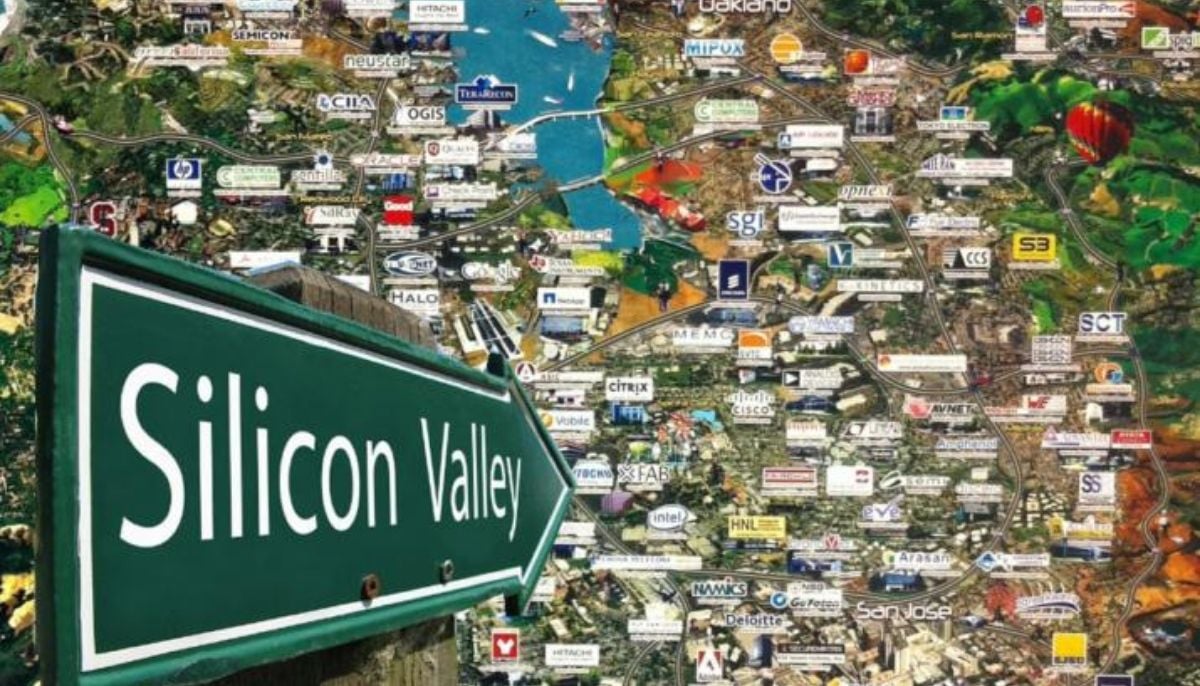
In Silicon Valley, 2026 is unfolding as a year of validation and demonstration.
Tech giants are tightening their scrutiny of workers amid staff reductions, AI-related job uncertainties, and entry-level job cuts.
While 2025 emphasised bosses urging workers to embrace intensity, 2026 is about verifying their engagement.
Collectively, these strategies indicate Big Tech is raising the stakes for employees in a sluggish market where only AI's exceptional stars seem to thrive.
These escalating demands are occurring as firms invest heavily in AI — often still awaiting significant returns.
The quest for more measurable performance may stem from a need to assess how employees are leveraging AI to enhance productivity.
The aggressive strategies of Big Tech likely reflect several factors, industry analysts suggested. There's anticipation that AI will turbocharge employees; yet, there's also a need to justify the substantial investments being made in the technology.
Spending on AI tools to assist programmers in coding, for example, can bring expectations from management that employees will become faster and more productive.
At Incedo, an enterprise AI and data firm, coding aides have reportedly boosted employee productivity by 25% to 40%, Nitin Seth, the company’s cofounder and CEO, told Business Insider.
"With that progress, there's a job squeeze," he explained. In the tech realm, Seth said, this could mean a requirement to deliver more or cut jobs — or a combination of both.
Incedo has reduced staff due to AI's productivity boost, although they continue to hire data engineers and other roles. The company did not disclose the number of job reductions.
Even so, Seth remarked, the productivity gains from AI in tech haven't met some bosses' and boards' expectations.
He noted that by late 2025, many business leaders faced the "sobering realization" that while initial AI benefits were notable, pursuing further successes proved challenging.