


Home / Technology
Astronauts experience long-term brain changes after returning to Earth
Experiencing microgravity can lead to some surprising outcomes on human body
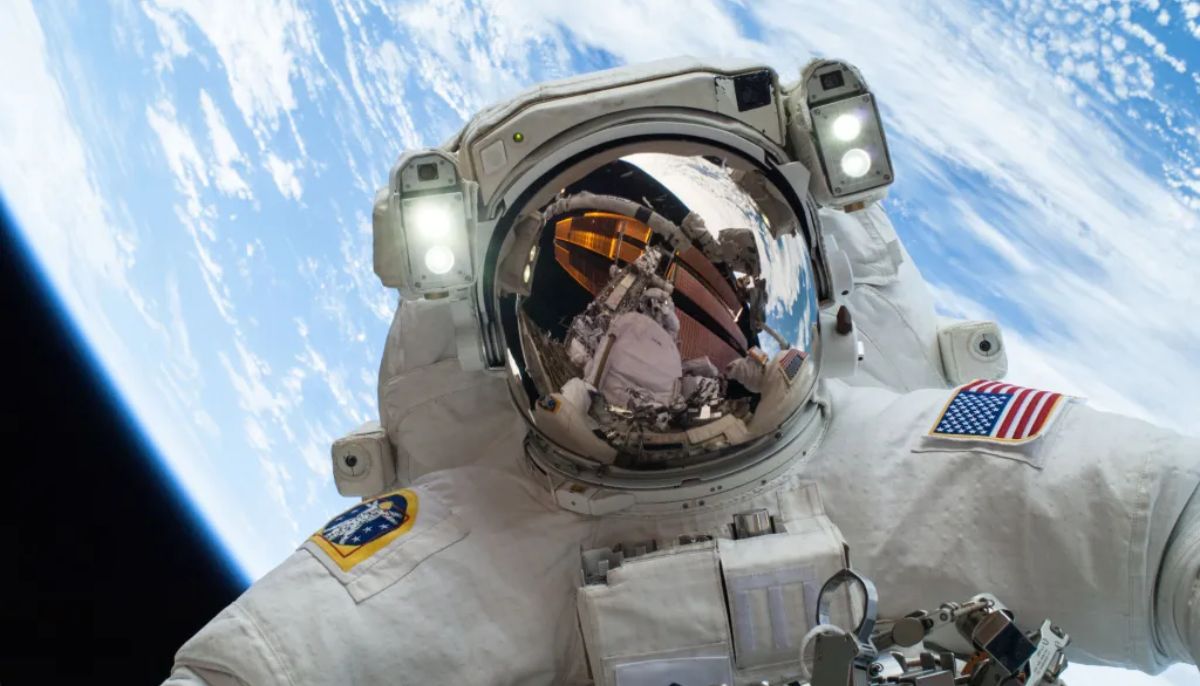
Experiencing microgravity can lead to some surprising outcomes on the human body, and scientists have just uncovered another reason why astronauts face challenges readjusting after returning to Earth.
Even brief missions in space can prompt noticeable changes in brain structure. For those in space for extended periods, these changes might persist for up to six months.
The shifts aren't major, just a few millimeters, yet they predominantly affect regions of the brain linked to balance, body awareness, and sensorimotor control, which might explain why recovering balance on Earth can be difficult.
"We demonstrate comprehensive brain position changes within the cranial compartment following spaceflight and an analog environment," notes a team led by physiologist Rachael Seidler from the University of Florida.
"These findings are critical for understanding the effects of spaceflight on the human brain and behaviour."
Spending time in space causes bodily tissues to move significantly. Without gravity's influence, body fluids redistribute differently.
This redistribution modifies the brain's position inside the skull. Earlier studies have shown that astronauts' brain centers move upward post-space travel, compared to pre-flight observations.
There's additional evidence suggesting some peculiar changes occur.
A 2015 investigation on individuals in inclined beds — simulating microgravity’s fluid shifts on Earth — found not only shifts in gravity center but also brain region volume changes.
Seidler and her team pursued quantifying exactly what transpires within astronauts' brains in space.
Their research included 26 astronauts — measurements of 15 were taken pre- and post-spaceflight for this study, while 11 measurements were drawn from previous research papers.
Additionally, it incorporated data from 24 individuals partaking in a 60-day bed-tilt study by the European Space Agency.