Nvidia CEO Jensen Huang says AI transforms jobs, doesn't eliminate them
Jensen Huang highlighted crucial distinction between tasks and overarching purpose of your job
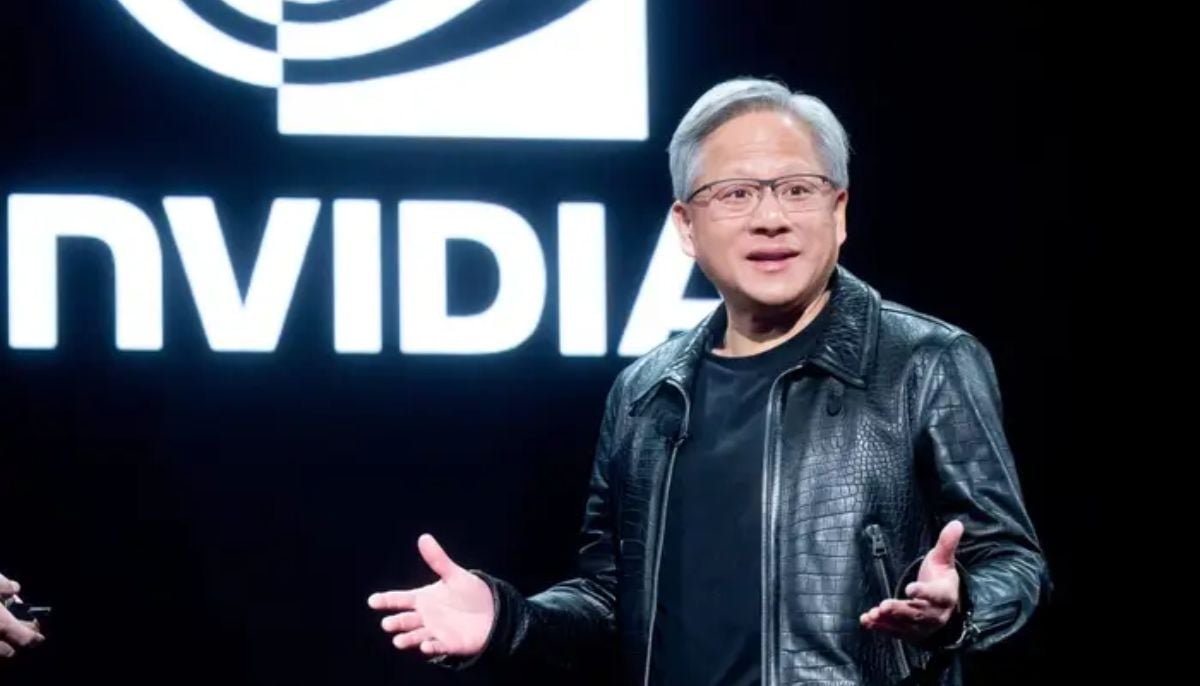
Healthcare providers, legal experts, and tech firms are witnessing initial signs of how AI could redefine professions: by handling duties but preserving the critical roles. This is a message Nvidia CEO Jensen Huang shared recently on the No Priors podcast.
In an insightful discussion, he clarified that concerns over widespread job eradication often confuse the "tasks" within a role with the broader "goals."
In his view, AI changes how duties are executed, yet the primary objectives persist. This means the technology is unlikely to eliminate jobs and might even boost demand for professionals dedicated to producing outcomes at work.
Huang’s explanation is straightforward: Many jobs comprise of routines that technology can simplify, in addition to a greater purpose that necessitates human management. He mentioned radiology as a tangible example.
Years ago, AI expert Geoffrey Hinton predicted that AI would erase a lot of radiology positions and urged students to avoid the industry.
The opposite happened. While AI is taking on several radiology tasks, there are now more radiologists than when Hinton made his forecast in 2016.
Huang mentioned software development as a case where AI can reduce time spent on a main task while enhancing demand for the role’s primary objective: problem-solving and discovering new issues worth tackling.
Nvidia, as Huang pointed out, is currently in a growth phase, even with AI-powered coding tools like Cursor becoming common among the company’s engineers.
These gains in efficiency enable businesses to explore more projects, potentially boosting revenue, and consequently supporting the hiring of new personnel.