


Home / Lifestyle
Why you should let your Brussels sprouts sit for 10 minutes before cooking
Brussels sprouts contain slow-fermenting fibre, making them easier on the gut than other greens
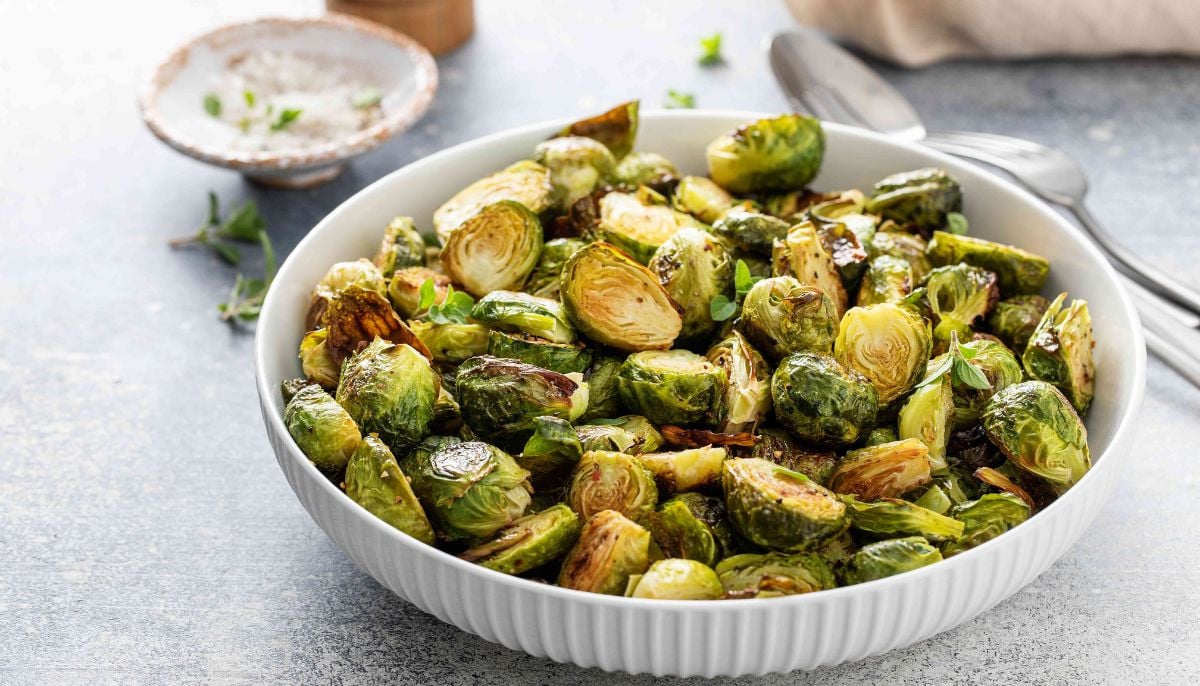
Brussels sprouts may be a divisive vegetable, but according to UK surgeon and health expert Dr Karan Rajan, they are a "cruciferous powerhouse" for gut health.
In a detailed guide shared on Wednesday, Dr Rajan explained how you prepare these miniature cabbages can significantly impact their anti-inflammatory properties and how well your body absorbs their nutrients.
The secret to unlocking their potential lies in a three-step process designed to preserve a crucial enzyme called myrosinase.
First, Dr Rajan advises cutting the sprouts and letting them sit for 10 minutes. This rest period allows myrosinase to convert plant compounds into sulforaphane, a potent anti-inflammatory.
Next, he recommends roasting them at 200°C for 20 to 25 minutes with a drizzle of olive oil.
The fat is essential for absorbing the vegetable's vitamin K, while the moderate heat breaks down cell walls to release beta-carotene and caramelise sugars, reducing bitterness.
Finally, Dr Rajan suggests a "secret step" that most home cooks skip: adding mustard seeds or garlic to the finished dish.
Because high heat can deactivate the sprout’s own enzymes, mustard seeds—which contain their own myrosinase—reintroduce the necessary components to keep sulforaphane production active.
Beyond the anti-inflammatory boost, Brussels sprouts offer four grams of slow-fermenting fibre per serving, which Dr Rajan notes is less likely to cause the gas and bloating often associated with other high-fibre foods.
Note to readers: This article serves as general information and is not a substitute for professional medical advice. It is based on user-generated content from social media.