


Home / Lifestyle
Why salt is a misunderstood hero in our daily diet
High salt intake can be directly toxic to blood vessels and strain kidney performance
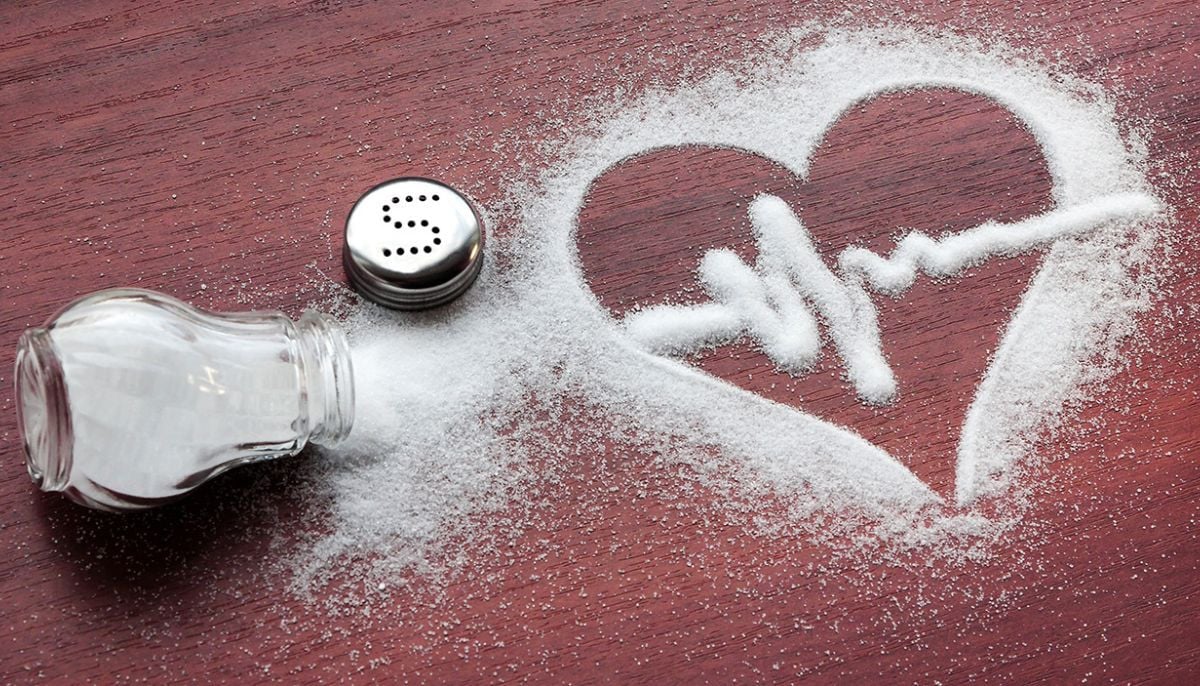
In an era of blanket wellness advice, salt has quietly been cast as a dietary villain. Many people are now cutting it out entirely without medical guidance, believing it is universally harmful.
However, the reality is far more nuanced. While excess salt poses risks for some, unnecessary restriction can be just as problematic for others.
Dr Sanjay Bhojraj, a cardiologist with over 20 years of experience, recently unpacked this debate. In a video shared on Friday, he explained that we actually require electrolytes to function.
He noted: “So salt is not great for most people, but it's not necessarily bad. In fact, we need electrolytes to function. You need certain amounts of sodium, potassium, and chloride.” These elements are vital for nerve signalling, muscle contraction, and fluid balance.
The danger lies in excess, particularly for those with specific health issues. Sodium can be toxic to blood vessels, causing high blood pressure and straining the kidneys. For those with heart failure, salt leads to fluid retention, which can be dangerous.
Dr Bhojraj highlighted: “for people with certain heart-related conditions, you have to be worried about the salt load because the more salt you take on, the more fluid you hold on to and that can overwhelm people.”
Crucially, he warns against drastic dietary changes without a professional diagnosis. Chronic restriction can actually activate stress hormones in some individuals.
He concluded: “The real question isn’t ‘Is salt bad?’ It’s who is being told to avoid it and whether it actually fits their physiology.”
Note to readers: This article intends to inform and is not a replacement for professional medical guidance.