


Home / Technology
Thousands of humans enhance AI driving for robotaxis
Robotaxis are developed using worldwide, human-annotated data
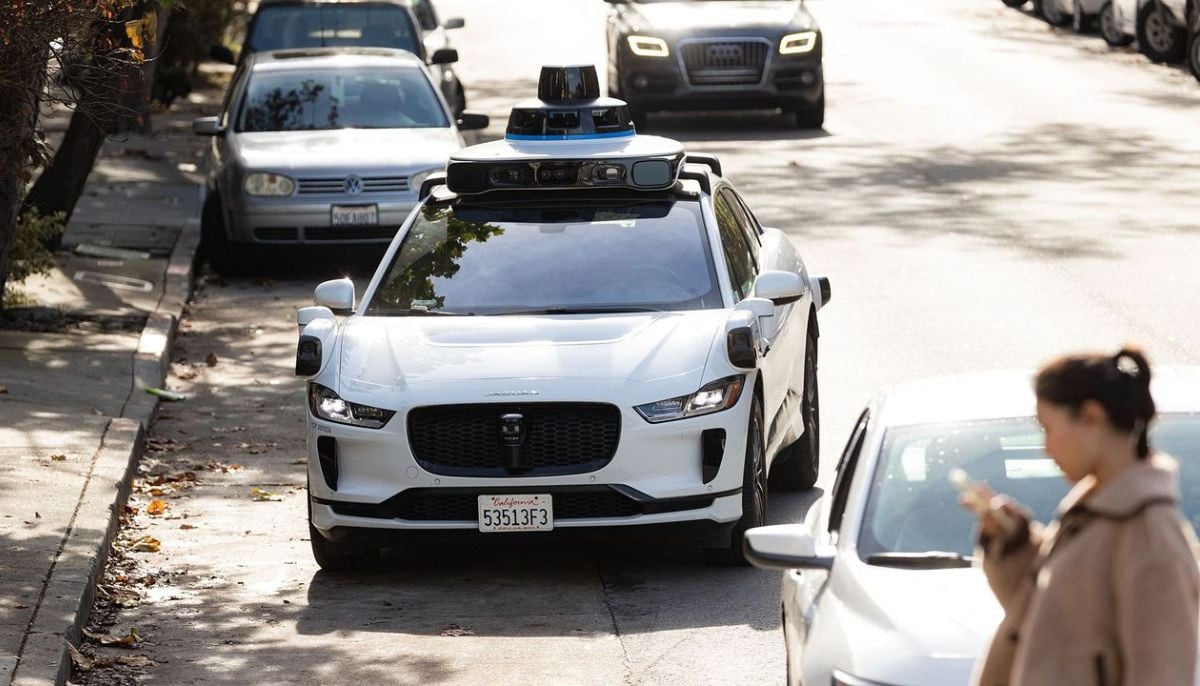
If robots dominate the future, we’ll remember those who aided them along the way, and robotaxis are a prime example.
It's not just the engineers designing AI systems for Waymos and Zooxes on the roads: Daily, people worldwide manage vast amounts of driving data collected from cars equipped with bulky sensors.
The workers are known by various titles — validators, annotators, and labelers — but their purpose remains: guiding the AI in interpreting its observations.
"Essentially, they support the vehicle in comprehending its position in space and time, helping it to safely navigate through different scenarios," Rowan Stone, CEO of Sapien, a data foundry supporting clients like Zoox, shared with Business Insider.
Stone also mentioned situations like a police roadblock or a school bus dropping off children — real-life scenarios that Waymo's robotaxis have found challenging — and noted that labelers offer suggestions for how to respond properly.
"That's definitely when human input becomes crucial again," Stone remarked. "We need to refine the dataset and apply extra context to reteach the model, apply corrections, and then move forward."
The data labeling sector can be vast. Stone indicated that Sapien has more than a million "contributors" globally.
Specifically for autonomous vehicle systems, this figure is considerably lower. Stone estimates the global workforce involved in robotaxi-related activities is under 5,000. This number might increase as more robotaxis enter service.
Omar Zoubi, a VP at TaskUs, which offers third-party data labeling and remote support agents for firms like Waymo, told Business Insider that the firm has under 2,000 workers across its whole AV-related operations, with potential to double by the second quarter of this year.
Labeling may not sound glamorous: At Sapien, Stone noted the average pay rate, often determined by customers or AV operators, ranges from $3 to $6 per hour. TaskUs hasn't disclosed their data labelers’ compensation.
The Sapien leader explained that many contributors reside in Germany, Japan, and Southeast Asia. Collectively, Sapien's "contributor" community spans approximately 100 countries.
Lukas Grapentine, a solutions engineering director at Sapien, mentioned to Business Insider that AI is "pre-labeling" sections of the raw data pile, with humans responsible for verifying the AI's accuracy.
In autonomous vehicle systems where human safety is paramount, ensuring AI correctness is imperative.