


Home / Lifestyle
Explore why crash diets are actually ruining your cholesterol levels
Dr warns that extreme calorie deficits can actually increase cholesterol
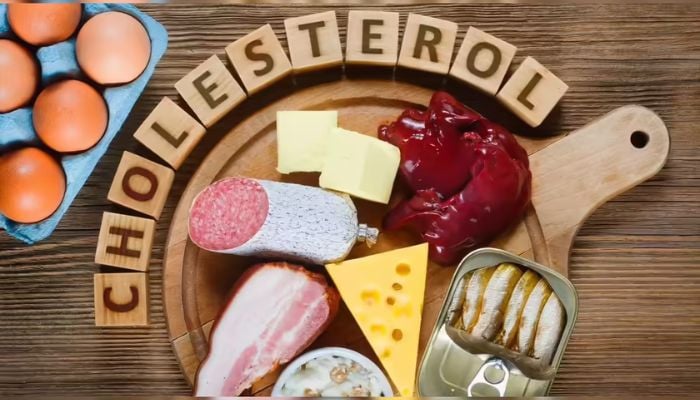
A high cholesterol diagnosis often sparks a panicked rush towards extreme "crash diets", but Dr Sermed Mezher warns this can be counterproductive.
Sudden starvation can trigger the liver to ramp up cholesterol production to protect cells during a perceived crisis.
Extreme restriction is rarely sustainable and often leaves your lipid profile in a worse state than before.
As the physician notes, “This instinctual reaction stems from the desire to 'clean out' the arteries as quickly as possible, but sudden, drastic caloric deficits can actually backfire.”
To manage cholesterol effectively without starving, Dr Mezher recommends focusing on three key lifestyle shifts.
First, eliminate trans fats—often hidden in margarines and biscuits as "hydrogenated oils"—which lower good cholesterol while raising the bad.
Second, prioritise oily fish over supplements. While omega-3s improve healthy HDL and triglycerides, he cautions that supplements can sometimes increase bad LDL.
Finally, the "elusive goal" is to hit 30 grams of fibre daily, something the vast majority of UK adults fail to achieve.
Fibre acts as a sponge, binding to cholesterol-rich bile in the gut so it can be excreted. This process prevents the "furring of the arteries" that leads to strokes and heart attacks.
Dr Mezher emphasises that the secret lies in consistency and clever choices rather than deprivation.
His parting advice is simple: “This can lead to significantly reduced blood LDL levels... Keep them clean. Eat smart, don't starve.”
By choosing nutrient-dense foods over extreme restriction, you can protect your heart for the long term.
Note to readers: This article is intended for informational use only and not as a replacement for professional medical advice. Always consult your doctor if you have concerns about a medical condition.