


Home / Technology
China's EV sales decline continues with BYD's two-year low
Six leading Chinese EV brands experienced significant decline in sales
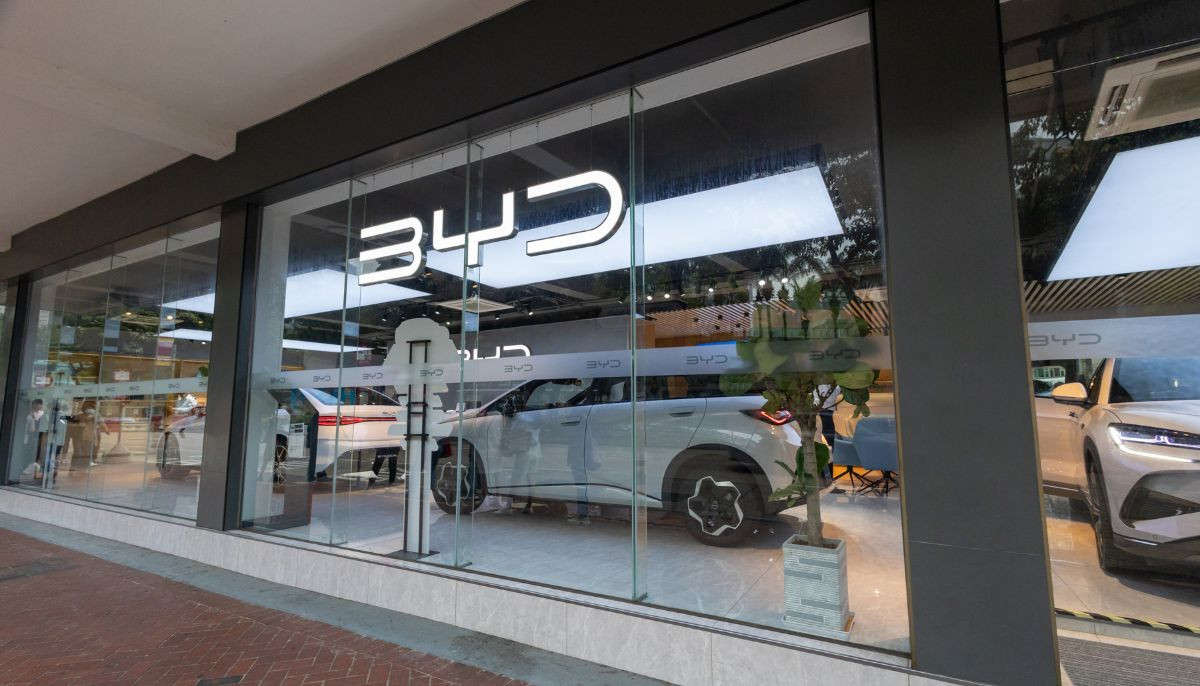
Leading Chinese electric vehicle manufacturer BYD has announced its lowest local sales figures in January in almost two years, highlighting growing difficulties in the world's largest automotive market.
This decline reflects increasing worries over weak domestic demand in China and an oversupply of vehicles expanding into global markets.
According to a CNBC analysis, at least six prominent electric car brands, including Xiaomi and Xpeng, experienced notable sales declines in January compared to December.
Some companies report only deliveries instead of sales and do not specify international figures.
"We see increasing pressure on China's auto market in 2026, driven by a combination of policy and competitive factors," said Helen Liu, partner at Bain & Company. She said policy changes could prompt consumers to delay their car purchases, while automakers become more cautious about new vehicle launches.
China's economic and commercial data for the year's first two months tends to be erratic due to the Lunar New Year holiday, which does not follow a fixed date annually.
This last January, however, also marked a significant cutback in government incentives for electric vehicles.
As of January 1, China has reinstated a 5% purchase tax, ending over a decade of exemption from the full 10% vehicle purchase tax for new energy vehicles, which include battery and hybrid cars.
Beijing has utilised a variety of subsidies and favorable policies to nurture its electric vehicle industry.
In January, BYD's sales fell to just 83,249 battery electric passenger cars out of a total of 205,518 vehicles, including plug-in hybrids.
This was the company's lowest monthly performance since it sold 121,748 cars in February 2024.
The automaker is also facing increased competition from domestic rivals amidst a price war prompting manufacturers to introduce more features at reduced prices.
Aito, which integrates Huawei's operating system into its vehicles, reported over 40,000 deliveries in January, reflecting more than an 80% increase year-over-year.
Leapmotor and Nio also witnessed yearly delivery growth, with figures reaching 32,059 and 27,182, respectively.