


Home / Technology
Judge orders Elon Musk to testify on DOGE actions
Elon Musk is ordered to participate in deposition to discuss his part in deconstructing USAID
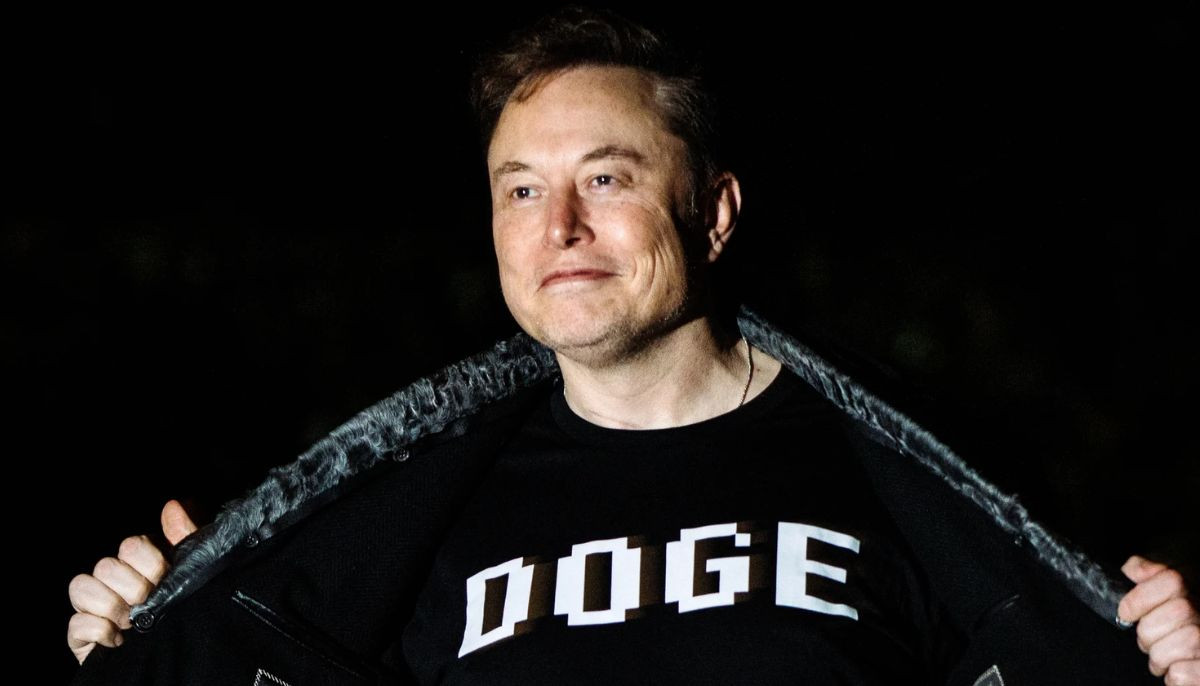
Elon Musk is ordered to participate in a deposition to discuss his part in deconstructing United States Agency for International Development (USAID), a judge in Maryland stated.
In an order consisting of eight pages, US District Judge Theodore Chuang dismissed an appeal by Musk and officials from the Department of Government Efficiency (DOGE) to bypass the deposition.
The judge mandated that Musk, along with Peter Marocco, a former acting USAID director, and Jeremy Lewin from the Department of State, must be deposed.
Musk's attorneys attempted to apply the "apex doctrine" to shield him from deposition, a doctrine that allows key government figures to be excused from depositions under certain circumstances.
This deposition arises from a lawsuit against Musk and DOGE officials, lodged by anonymous current and former USAID employees.
Chuang noted uncertainties regarding whether Musk, Marocco, and Lewin can rightly be categorised as top-tier government officials.
He mentioned that most of the appointed leaders were functioning unofficially or in acting capacities when USAID closed down.
Chuang stated the absence of justification provided by Musk and the officials for shutting down USAID's main office and online presence, highlighting another reason necessitating the deposition.
Other defendants in the documented case included Secretary of State Marco Rubio, State Department official Kenneth Jackson, and DOGE administrator Amy Gleason.
For the unversed, USAID is responsible for offering foreign assistance and supporting global humanitarian efforts.
It was primarily aimed at by Musk's DOGE early in President Donald Trump's second term starting last January.
The reductions in USAID were a part of Musk's strategy to reduce financial allocations toward what DOGE found to be inefficient government agencies.