


Home / Lifestyle
Pregnant woman undergoes chemotherapy after breast cancer diagnosis at seven months
A Canadian woman shares her experience of undergoing chemotherapy while she was seven months pregnant.
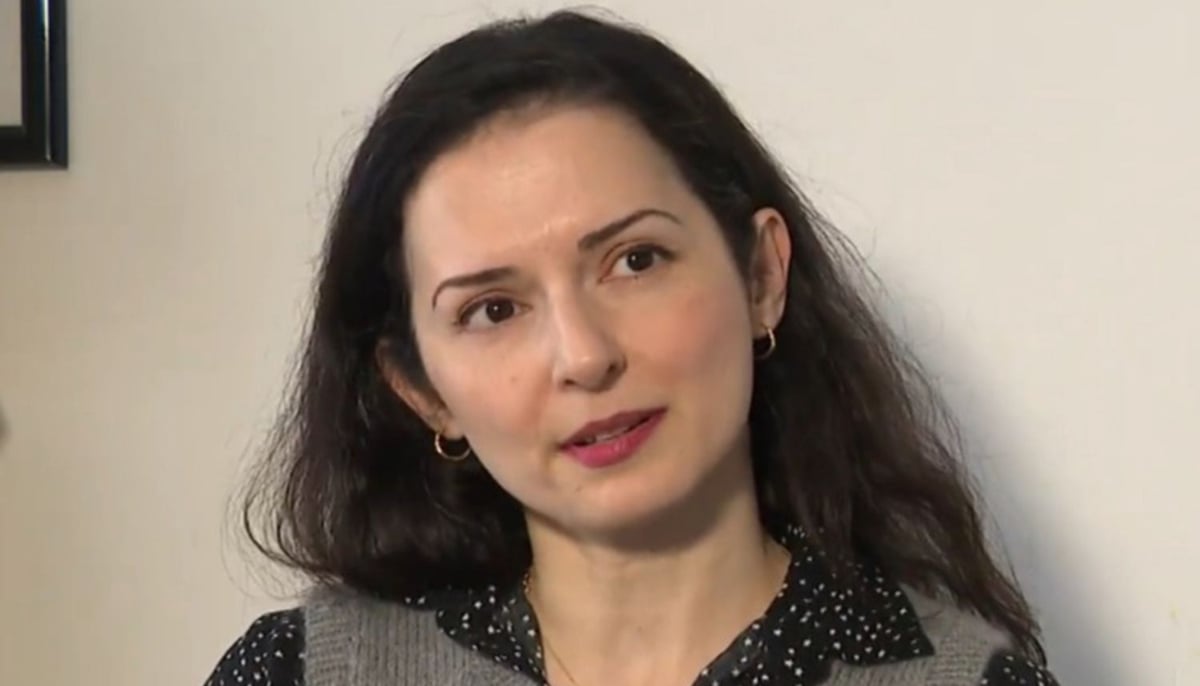
A woman has shared how her pregnancy took a devastating turn after she was diagnosed with breast cancer just weeks before giving birth, and how she underwent chemotherapy while still carrying her child.
Salimeh Maghsoudlou said she was 35 and seven months pregnant with her first child in 2019 when she noticed a lump in her breast. With no pain or other symptoms, the discovery came as a shock.
“Obviously, there was an element of shock,” Maghsoudlou told the Canadian Cancer Society. “I didn’t feel any pain. There were no other symptoms besides the lump. It’s like the mind doesn’t believe that you are sick.”
Following an ultrasound and biopsy, Maghsoudlou was diagnosed with HER2-positive, hormone-negative breast cancer.
Facing limited guidance on treating cancer during pregnancy, she transferred to a hospital with a team experienced in rare cases and began an aggressive but carefully planned course of treatment.
Doctors administered two rounds of chemotherapy before her son was born, balancing the urgency of treatment with the baby’s safety.
Maghsoudlou said she spent countless hours researching chemotherapy drugs approved for use during pregnancy, though clear information was difficult to find.
After giving birth, she underwent surgery to remove the tumor, followed by 19 rounds of radiotherapy and additional chemotherapy. Her treatment ultimately proved successful.
Now cancer-free since 2025, Maghsoudlou says the experience permanently changed her perspective — and fueled her advocacy.
She has since pushed for routine breast exams to be included in prenatal care in Quebec, noting that earlier screening could help detect cancer sooner in expectant mothers.
“In other countries, breast exams are part of gynecological follow-ups,” she told CBC News. “Here, that wasn’t the case. If my obstetrician had done a breast examination, maybe they could have found it earlier.”
While grateful that both she and her son are healthy, Maghsoudlou admits the emotional impact lingers.
“It’s not something that you forget,” she said. “The fear of mortality still pokes up.”