


Home / Lifestyle
Five anti-inflammatory vegetables to boost your health this February
Here are five anti-inflammatory vegetables to incorporate into your diet for a healthier February
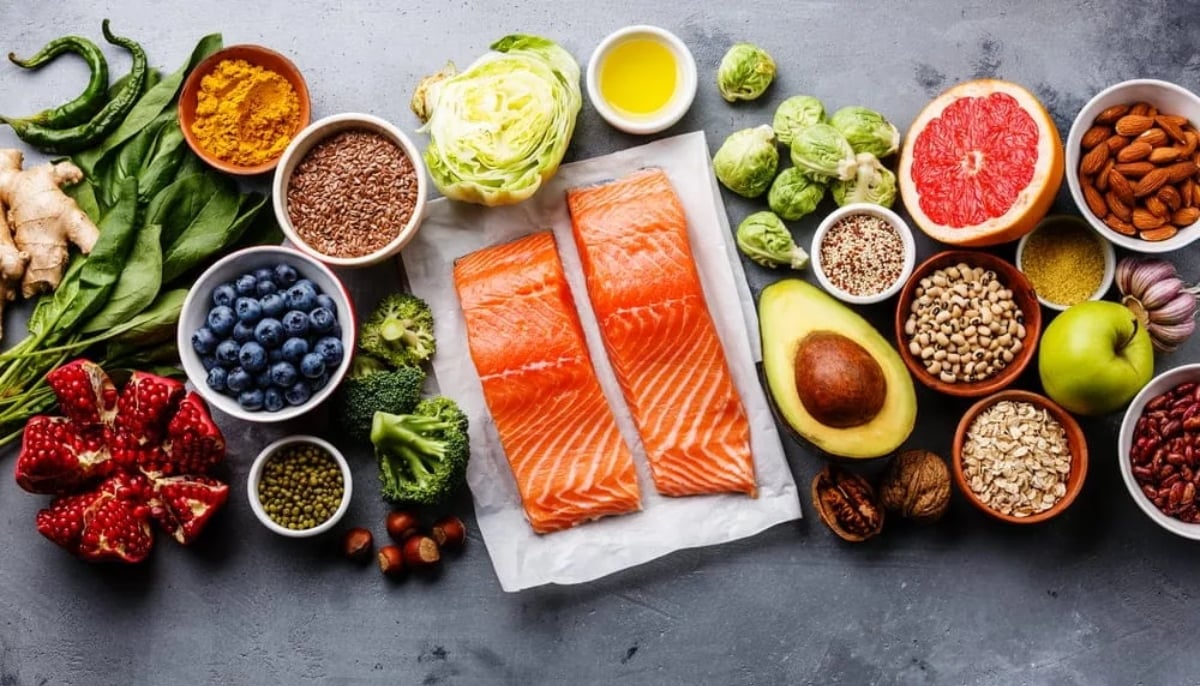
As winter lingers, February is the perfect month to focus on seasonal vegetables that boost health and fight inflammation.
Eating produce at its peak not only delivers superior flavor and affordability but also provides antioxidants and plant compounds that may help reduce chronic inflammation, a contributor to conditions like heart disease and diabetes.
Dietitians recommend these five anti-inflammatory vegetables for February.
Leeks
Leeks are packed with antioxidants such as kaempferol and sulfur compounds like allicin, which help neutralize free radicals and may reduce inflammation. “Kaempferol’s effects could support heart health by influencing inflammatory pathways involved in atherosclerosis,” explains registered dietitian Alexandria Hardy, RDN, LDN. Leeks are versatile—roast or sauté with olive oil and lemon, or swap them for onions in soups and stews.
Romanesco
The spiky cousin of cauliflower, romanesco, is rich in glucosinolates, which convert into anti-inflammatory compounds like sulforaphane. “It also supports gut health, which is closely linked to lower inflammation,” notes Sarah Gold Anzlovar, M.S., RDN, LDN. Roast it with herbs or add it to soups, salads, and grain bowls.
Beets
Beets are loaded with betalains, antioxidants with anti-inflammatory properties, and nitrates that support heart health and athletic performance. “Including beets in your diet may lower risks of cardiovascular disease and type 2 diabetes,” Anzlovar adds. Enjoy them roasted, raw in salads, or in hearty borscht.
Purple Sweet Potatoes
Rich in anthocyanins, flavonoids, and flavonols, purple sweet potatoes offer anti-inflammatory and antioxidant benefits that may support insulin sensitivity and reduce oxidative stress. Roast them or add them to bowls and salads for a colorful, fiber-packed boost.
Brussels Sprouts
These winter staples contain glucoraphanin, which transforms into sulforaphane, a compound with neuroprotective, anticancer, and anti-inflammatory properties. Registered dietitian Val Warner, M.S., RD, CSSD, CPT, recommends shaving and sautéing Brussels sprouts with shallots and dried fruit, or tossing them into raw salads for a nutrient-dense crunch.