


Home / Technology
Elon Musk’s space data centre vision raises fears of AI monopoly
Next phase of the global AI and cloud computing race may unfold beyond Earth
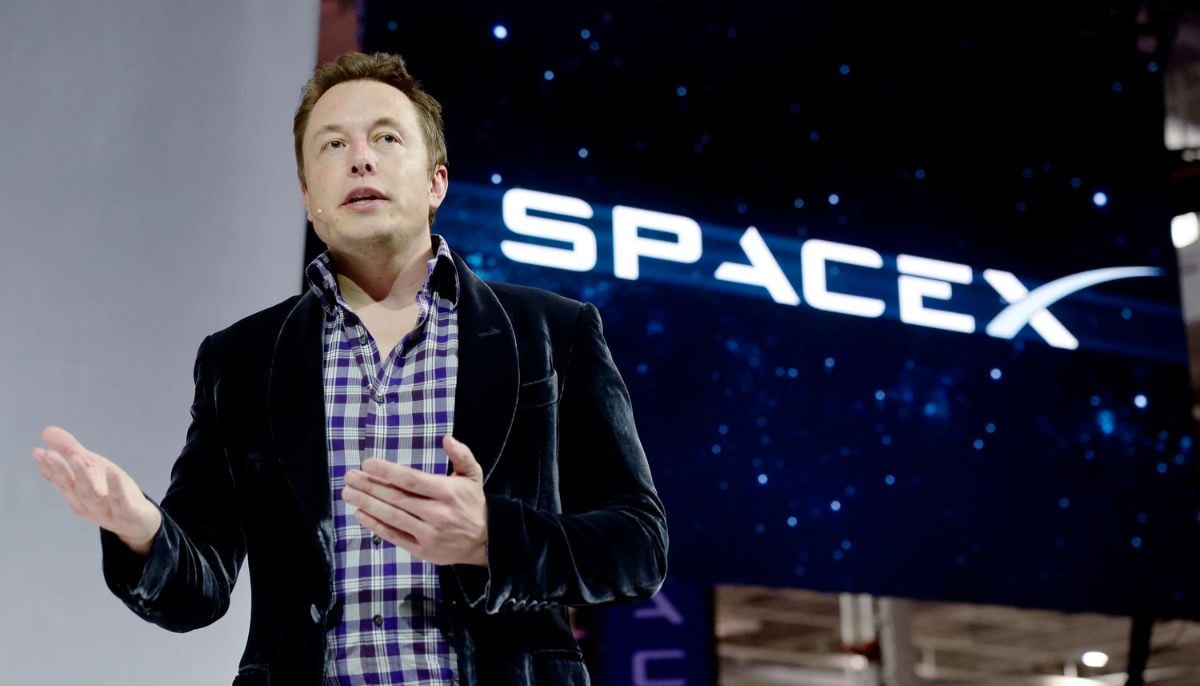
The next phase of the global artificial intelligence (AI) and cloud computing race may unfold beyond Earth, with experts warning that Elon Musk’s ambitions could eventually give SpaceX outsized control over space-based AI infrastructure.
SpaceX’s planned acquisition of Musk’s AI company xAI is seen not only as a revenue-driven move but also as part of a broader vision to place data centres in orbit.
While Musk has suggested that space-based data centres could become reality within a few years, analysts caution that the technology is far from being ready and could take decades to materialise.
Jermaine Gutierrez, a research fellow at the European Space Policy Institute (ESPI), said Musk’s timelines should be viewed with skepticism.
He noted that ESPI research estimates a competitive orbital data centre capable of matching Earth-based power output is likely at least 20 years away.
Data centres house vast computing systems and massive volumes of data, demanding enormous amounts of energy and cooling.
Proponents argue that placing them in space could reduce land use, improve security, and rely on solar power rather than terrestrial energy grids.
According to Javier Izquierdo, chief strategy officer at satellite operator Hispasat, space-based computing could limit data transfers back to Earth, offering additional security advantages.
However, experts say cooling remains a major obstacle. Although space is cold, dissipating heat in orbit is significantly harder due to the absence of fluids to absorb and carry away heat.
Instead, systems would rely on radiators, constrained by physical limits such as the Stefan-Boltzmann law governing heat radiation.