


Home / Lifestyle
Stopping drinking is a brain chemistry problem, not a lack of willpower
Sudden removal of alcohol can cause the brain's excitatory system to collapse
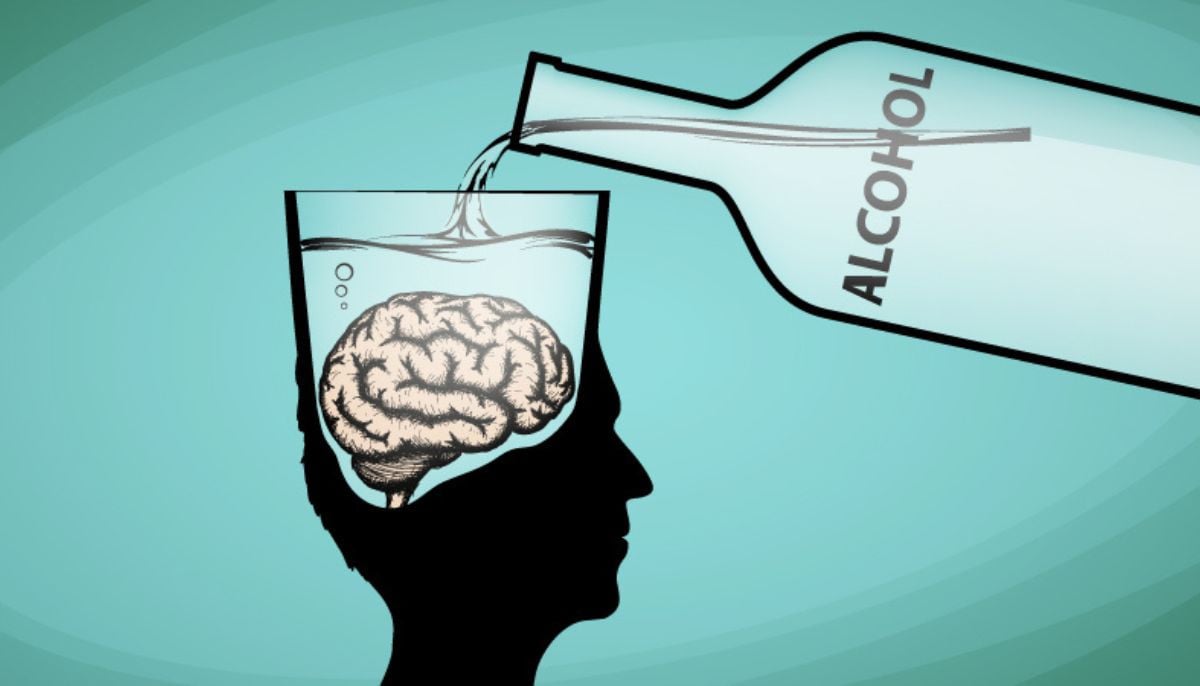
Overcoming alcohol dependency is often dismissed as a test of willpower, but Maryland physician Dr Kunal Sood warns that the reality is rooted in complex brain chemistry. In an update shared on 10 February, he explained that alcohol acts as a “chemical brake” by boosting calming GABA signals and suppressing excitatory ones. Over time, the brain adapts to this presence.
“When alcohol is suddenly removed, that balance collapses,” Dr Sood noted. “That calming effect is gone, but the overactive excitatory system remains. That’s when alcohol withdrawal begins.” This sudden shift can lead to severe physical distress. “People say quitting alcohol cold turkey can kill you the same day,” observed Dr Sood. “And while that’s rare, severe alcohol withdrawal can be life-threatening if it is not managed properly.”
Alcohol withdrawal symptoms
Symptoms typically emerge within hours, though they are most intense one to three days later. These include:
- Tremors
- Sweating
- Anxiety
- Nausea
- Rapid heart rate
- High blood pressure
In extreme cases, patients face seizures or delirium tremens, which involves dangerous confusion and hallucinations. “So while most people don’t die the same day they stop drinking, abrupt withdrawal in heavy or dependent drinkers can absolutely become life-threatening without treatment,” Dr Sood cautioned. He insists that medical supervision is vital to stabilise the nervous system. Ultimately, “alcohol withdrawal is a brain chemistry problem, not just a lack of willpower,” and stopping safely is just as important as the decision to quit.
Disclaimer: This article provides information and should not replace professional medical advice. Always consult your healthcare provider regarding medical questions or conditions.