


Home / Technology
US army tests resilience of new command tech under electronic attack
The US Army deliberately jammed its new command-and-control system to see if it could withstand electronic warfare
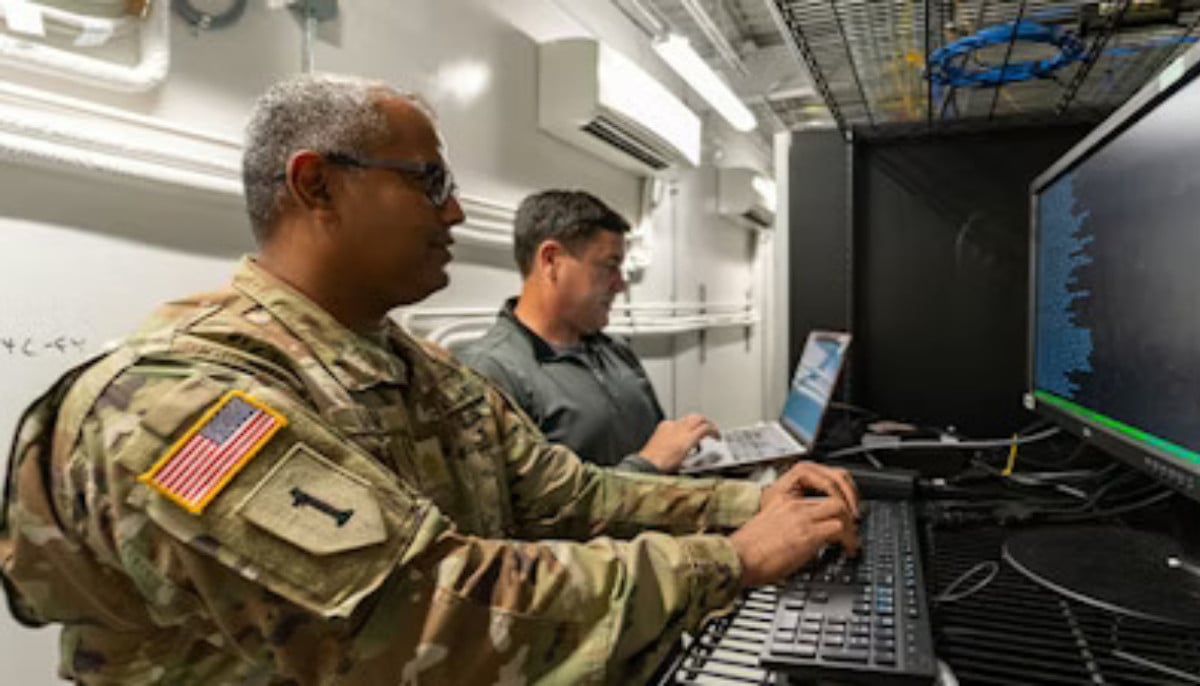
In a bold test of its resilience, the US Army deliberately jammed its new Next Generation Command and Control (NGC2) system to simulate real battlefield electronic interference. During exercises at Fort Carson, Colorado, soldiers from the 4th Infantry Division experienced a “denied, degraded, intermittent, and limited” environment, temporarily losing satellite connections and access to the division’s cloud. Units were forced to rely on backup communication methods such as radios while searching for the source of the jamming, which was ultimately neutralized with a simulated mortar strike.
Even under these conditions, NGC2 rerouted data internally to maintain functionality, prompting commanders to disable additional system features just to fully stress it. The exercise incorporated multiple assets, including 155mm artillery strikes, drones, electronic warfare systems, and Stryker vehicles, all feeding real-time data into the platform. Lt. Col. Shawn Scott explained that while reconnection was seamless once the jamming ended, troops had to learn how to manage retransmission across complex terrain, an essential skill for widely dispersed units.
The exercise reflects lessons from modern conflicts, such as Russia’s war in Ukraine, where jamming and cyber disruption have played a central role. NGC2 is designed to give commanders real-time situational awareness, integrating artificial intelligence, predictive analytics, and off-the-shelf software to streamline decision-making, manage supplies, track casualties, and coordinate fire support.
The system is continuously refined based on soldier feedback, with future exercises planned to test it against simulated cyber, electronic, and kinetic threats. Officials say the technology could fundamentally change battlefield command, allowing units to operate independently under interference while maintaining connectivity with higher headquarters. With the Army emphasizing modernization, NGC2 represents a major leap in networked operations, aiming to ensure communication, control, and intelligence persist even under the most contested conditions.