


Home / Lifestyle
Seven magnesium-rich foods that may help boost sleep and mood
Magnesium plays a key role in nerve function, blood pressure regulation, and immune health
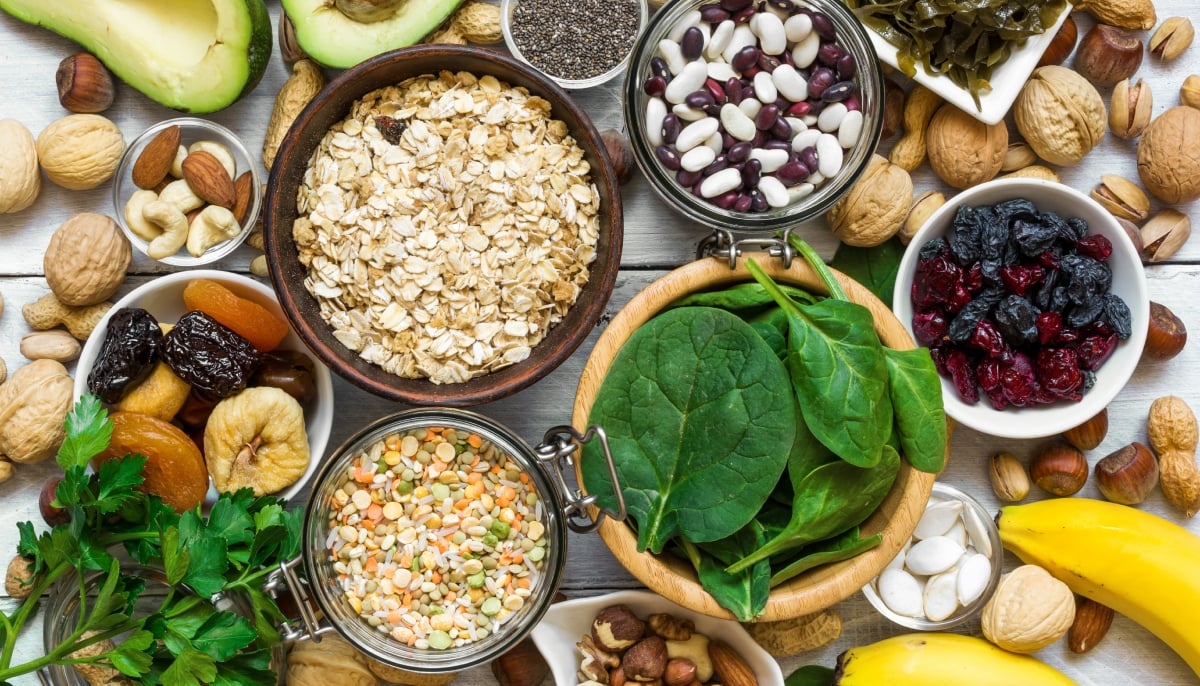
Magnesium has long been known as a powerhouse mineral, and experts say getting enough of it may help support better sleep and a steadier mood.
Required for more than 300 processes in the body, magnesium plays a key role in nerve function, blood pressure regulation, protein synthesis, and immune health.
“Magnesium is considered an essential nutrient, meaning our body can’t make it, but we need it to survive and operate,” says registered dietitian Paul Kriegler, RD. “So we have to obtain it from our environment.”
Yet nearly half of U.S. adults fall short of the recommended daily intake, according to national survey data. The National Institutes of Health advises aiming for 400 to 420 milligrams per day for most adults.
Dietitians emphasize that food sources are the best way to meet those needs, since whole foods provide additional nutrients that work synergistically to support overall health.
How magnesium supports mood
Magnesium plays a role in mood regulation, partly by supporting serotonin production, often referred to as the “feel-good” neurotransmitter. “If we don’t get enough magnesium, then we’re not going to produce enough serotonin, which can lead to negative moods,” explained McKenzie Dryden, RD.
The mineral also influences other neurotransmitters, including GABA and glutamate, which help calm the nervous system and regulate stress. Additionally, magnesium has been linked to lowering cortisol, the body’s primary stress hormone.
While experts caution that magnesium alone isn’t a cure for anxiety or depression, research suggests that meeting daily requirements may offer supportive benefits — particularly during times of stress or seasonal mood shifts.
How magnesium may help with sleep
Magnesium has not been definitively proven to treat insomnia, but experts say it may help “prime” the body for rest.
By supporting GABA production, magnesium encourages the body to enter a relaxed, parasympathetic state — often referred to as “rest and digest.” It also helps convert tryptophan into serotonin, which is later converted into melatonin, the hormone that regulates the body’s sleep-wake cycle.
Some studies have linked magnesium supplementation to improved sleep quality and efficiency, including reduced time to fall asleep and fewer nighttime awakenings.
For those looking to boost intake naturally, here are seven magnesium-rich foods experts recommend:
Pumpkin Seeds
Pumpkin seeds are among the most magnesium-dense foods available, delivering roughly 150 milligrams per serving. They also contain tryptophan, which supports relaxation and sleep. Sprinkle them over salads, yogurt or oatmeal for an easy boost.
Chia Seeds
Just two tablespoons of chia seeds provide a solid dose of magnesium. They’re also rich in omega-3 fatty acids, which support brain health and help reduce inflammation, both important for mood regulation.
Leafy Greens
Spinach, Swiss chard, and other leafy greens are versatile and packed with magnesium and fiber. Fiber supports gut health, which research increasingly links to mental health and sleep quality.
Whole Grains
Oats, quinoa and whole wheat products offer magnesium along with fiber and tryptophan. These nutrients work together to promote steady energy levels and relaxation.
Lentils and Beans
Black beans, chickpeas and lentils contain magnesium, folate and iron. Folate also supports serotonin production, while their low-glycemic profile helps maintain stable blood sugar — a factor in managing anxiety and mood swings.
Tart Cherries
Tart cherries contain magnesium and small amounts of melatonin. Though lower in melatonin than supplements, they make a smart evening snack option, particularly in juice form.
Dark Chocolate
Dark chocolate (at least 65% cocoa) contains magnesium and compounds that stimulate endorphin release, which can naturally elevate mood. It also contains serotonin, further supporting emotional balance.