


Home / Technology
Instagram CEO rejects addiction claims in Landmark California trial
Instagram CEO Adam Mosseri denies that the platform causes clinical addiction in children
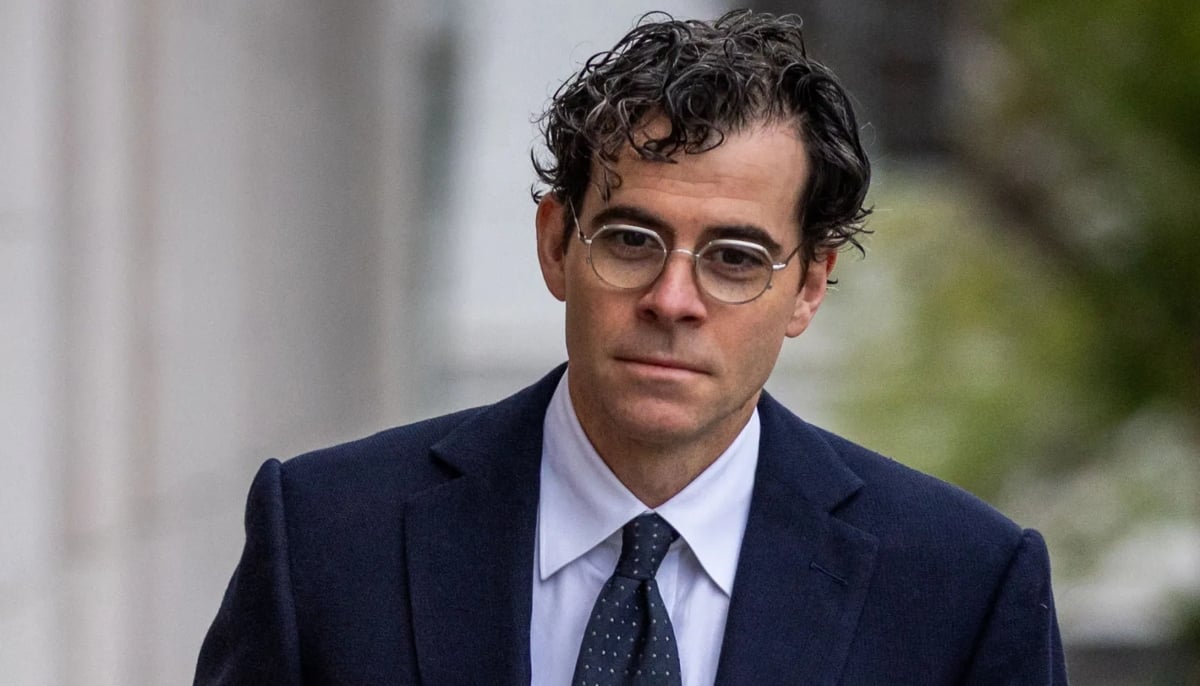
Instagram CEO Adam Mosseri has denied claims that the social media platform is designed to create clinical addiction among children, testifying Wednesday in a high-profile California trial that could set a precedent for tech industry accountability.
The civil case centers on a 20-year-old plaintiff, Kaley G.M., who alleges severe mental harm after using YouTube from age six, joining Instagram at 11, and later using Snapchat and TikTok.
The lawsuit claims social media companies, including Meta (Instagram’s parent company) and Google-owned YouTube, deliberately engineered addictive features to profit from young users.
“I think it’s important to differentiate between clinical addiction and problematic use,” Mosseri told the jury, clarifying that occasional binge-watching is not equivalent to a medical addiction.
“I’m sure I said that I’ve been addicted to a Netflix show when I binged it really late one night, but I don’t think it’s the same thing as clinical addiction,” he added.
Mosseri also rejected suggestions that Meta prioritizes profit over safety. “Protecting minors over the long run is even good for the business and for profit,” he said.
The testimony comes ahead of the planned appearances of Meta CEO Mark Zuckerberg on February 18 and YouTube CEO Neil Mohan the following day.
Plaintiffs’ attorney Mark Lanier argued that both Meta and YouTube intentionally exploit young brains, comparing the platforms to “dopamine slot machines” designed to hook children for profit. “Meta and Google don’t only build apps; they build traps,” Lanier said.
Meanwhile, Meta’s defense attributed the plaintiff’s struggles to her personal and family context, rather than the platform’s design. YouTube’s attorney countered that the video service is not technically social media and is comparable to Netflix or traditional television.
Earlier, Stanford University School of Medicine professor Anna Lembke, called by the plaintiffs, likened social media to a drug.
She testified that young people’s developing brains are particularly susceptible to risk-taking, describing platforms like YouTube as a potential “gateway” for addictive behaviors.
The case marks one of the first instances of major Silicon Valley executives being questioned in court over claims their platforms intentionally exploit children’s psychology, making it a closely watched trial for the tech industry and regulators alike.