


Home / Technology
Big tech’s $700 Billion AI Bet faces investor scrutiny
Hyperscalers are preparing to spend as much as $700 billion on AI infrastructure this year
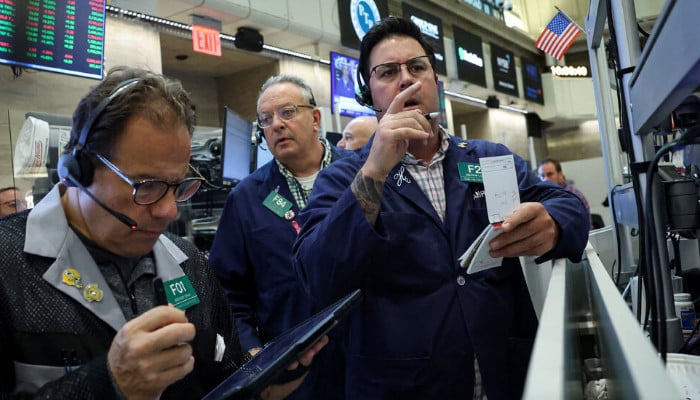
The AI boom is driving unprecedented spending from the world’s largest technology companies.
Hyperscalers — including Amazon, Microsoft, Meta and Alphabet — have collectively signaled that capital expenditures tied to artificial intelligence could reach $700 billion this year. To put that into perspective, that figure exceeds the GDP of several developed nations.
The spending spree is largely focused on building out AI-driven data centers and expanding computing infrastructure to meet surging demand from businesses and consumers adopting generative AI tools.
But the scale of the investment has unsettled markets.
Last week, more than $1 trillion was wiped from Big Tech market capitalizations amid concerns that AI spending may be outpacing near-term returns. While stocks have since recovered somewhat, investor anxiety remains.
A High-Stakes Bet
According to strategists, the jump in capital expenditure represents a dramatic shift. Analysts estimate that 2026 AI-related capex commitments are roughly 60% higher year-over-year. Some projections suggest hyperscaler capex could consume nearly 100% of operating cash flow this year — compared with a 10-year average closer to 40%.
That shift changes the narrative. What once appeared to be a strategic growth investment now looks more like an all-in wager on AI’s future.
The concern is not just how much is being spent — but how it is being financed. Some companies are turning to debt markets to help fund expansion. Oracle, for instance, recently outlined plans to raise tens of billions of dollars in the coming year, while Alphabet is reportedly planning a major U.S. dollar bond sale.
If borrowing rises significantly, analysts warn, balance sheets could face pressure and free cash flow may shrink — potentially affecting shareholder returns.
Why Some Analysts Remain Bullish
Despite market jitters, many technology analysts remain optimistic.
One key argument: hyperscalers are reportedly pre-selling much of their data center capacity before construction is completed. That forward demand suggests strong appetite for AI compute power.
Additionally, as AI adoption accelerates, both businesses and consumers may be willing to pay premiums for enhanced services — from advanced cloud tools to AI-driven productivity features.
However, timelines remain uncertain. Infrastructure such as data centers and specialized AI chips often have estimated useful lives of just three to five years. That means hyperscalers must begin generating meaningful returns before the end of the decade — leaving a relatively tight window for payback.