


Home / Technology
Could Dark Matter Replace Black Holes? Scientists Propose Bold New Theory
From puzzling organic molecules on Mars to a promising cholesterol-cutting pill and a breakthrough sleep apnea procedure
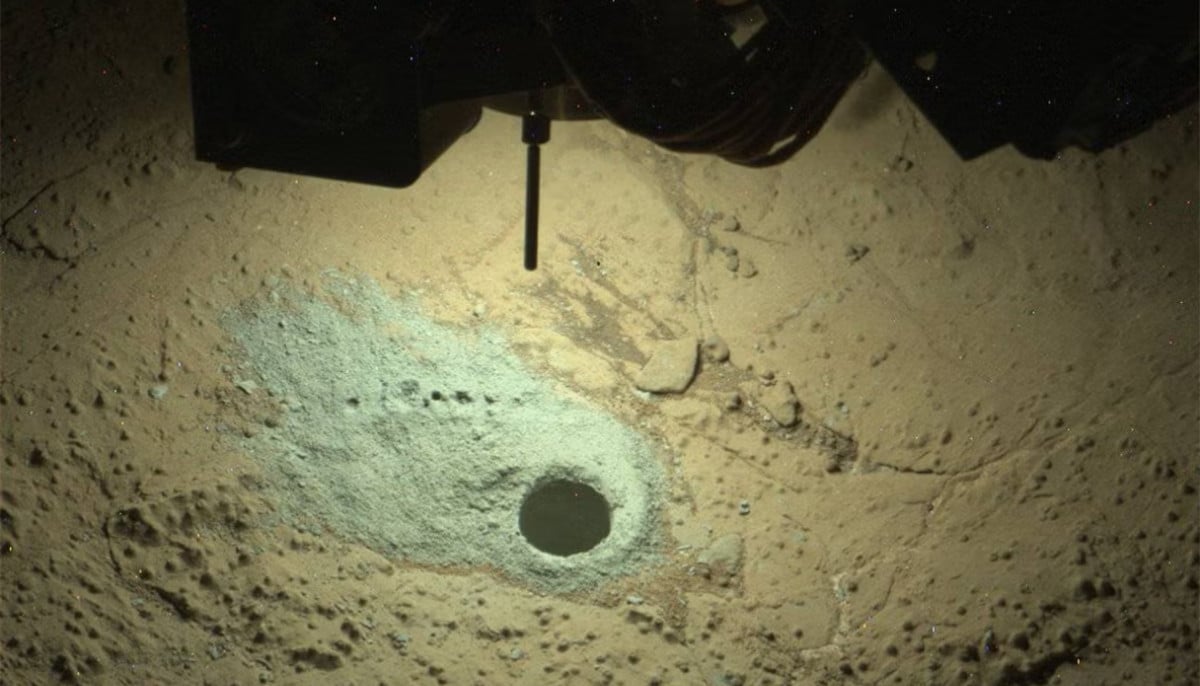
This week in science delivered a fascinating mix of space intrigue and medical innovation. A NASA-led study examining organic molecules discovered on Mars suggests they are difficult to explain through known non-biological processes alone. Scientists evaluated potential sources such as meteorites, atmospheric chemistry, and hydrothermal reactions, but none sufficiently accounted for the abundance detected. While this does not confirm life, it adds fresh momentum to the search for biological signatures beyond Earth.
Meanwhile, new insights into Alzheimer’s disease may help explain memory loss. Researchers found that the brain’s natural “replay mode” — crucial for consolidating memories — still occurs in affected brains but loses its structured pattern. Rather than shutting down entirely, the process appears disrupted, offering a new direction for therapeutic strategies aimed at restoring proper neural coordination.
Heart health research also saw encouraging progress. A compound known as TLC-2716 reduced remnant cholesterol by up to 61 percent in a short clinical trial. Researchers reported that the drug was safe and well tolerated, and its oral form could make treatment more accessible and convenient compared to existing options.
In another promising development, an experimental sleep apnea procedure involving a small implantable electrode demonstrated a 93 percent success rate in human trials. Performed under ultrasound guidance in about 90 minutes, the minimally invasive technique may help patients previously considered unsuitable for conventional nerve stimulation surgery.
Finally, astrophysicists proposed a bold new model suggesting the center of the Milky Way may contain fermionic dark matter instead of a traditional supermassive black hole — a theory that, if proven, could transform our understanding of galactic structure.