


Home / Lifestyle
Why you should eat two cloves after dinner according to a top doctor
Cloves contain eugenol, a natural compound that helps prevent painful stomach ulcers
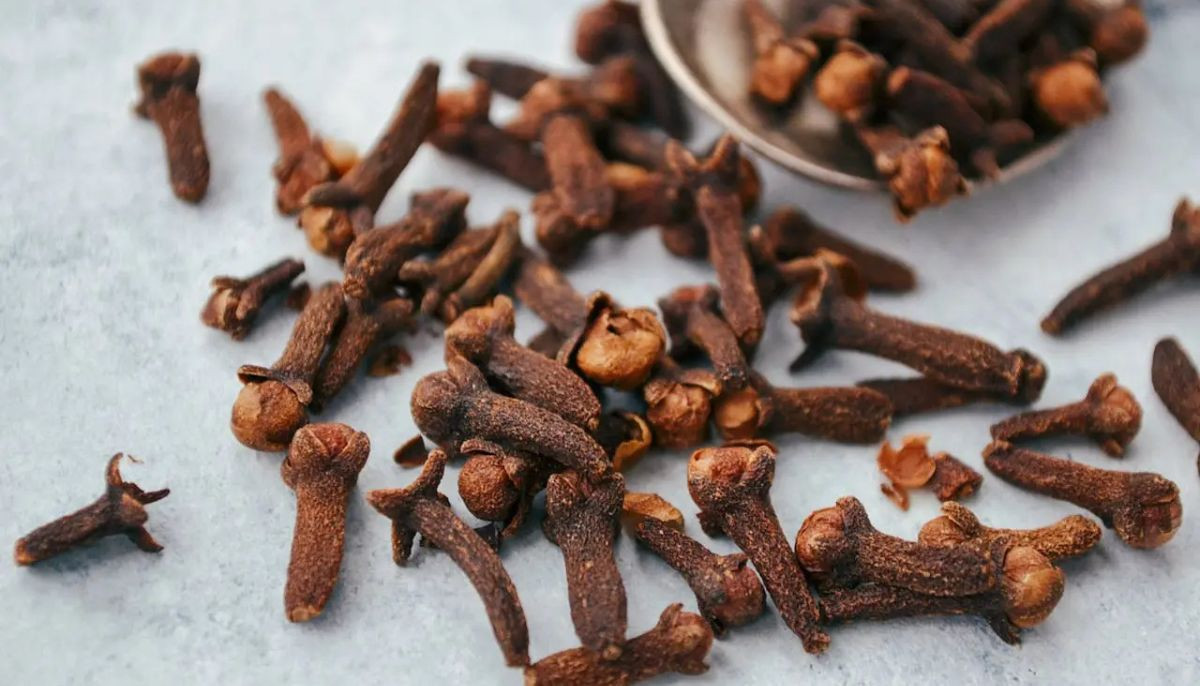
In the vast world of traditional Indian spices, the humble clove is proving to be a heavyweight in modern gastroenterology.
Dr Shubham Vatsya, an expert with over a decade of experience, took to social media on Monday to highlight how this tiny spice can revolutionise gut health.
According to the specialist, cloves are one of the most effective natural solutions for tackling common issues like gas, bloating, and acidity.
The secret lies in a potent compound called eugenol. Dr Vatsya explains that this component is particularly effective against H. pylori bacteria, which are notorious for causing painful stomach ulcers.
Beyond merely fighting bacteria, the spice actively supports the body's natural defences.
“Cloves also increase stomach mucus production, protecting the stomach lining,” he explained, noting that they also stimulate essential digestive enzymes and encourage the growth of beneficial gut bacteria.
The benefits aren't confined to the digestive tract. The gastroenterologist noted that cloves are packed with antioxidants that combat oxidative stress throughout the body. Furthermore, they help regulate blood sugar and protect the liver.
“They also reduce gut inflammation and stimulate digestive enzymes. Regular use of cloves promotes good gut bacteria. Cloves also support blood sugar and liver health by improving insulin sensitivity,” he added.
However, caution is vital. To avoid potential organ damage from overconsumption, Dr Vatsya recommends a modest intake of just one to two cloves after meals. This simple, traditional habit could be the key to a calmer, healthier digestive system.
Note to readers: This article is for informational purposes only and not a substitute for professional medical advice. Always seek the advice of your doctor with any questions about a medical condition.