


Home / Lifestyle
Why your period is an emotional rollercoaster and how to fix it
Heat therapy and gentle yoga are proven to soften both the body and mind
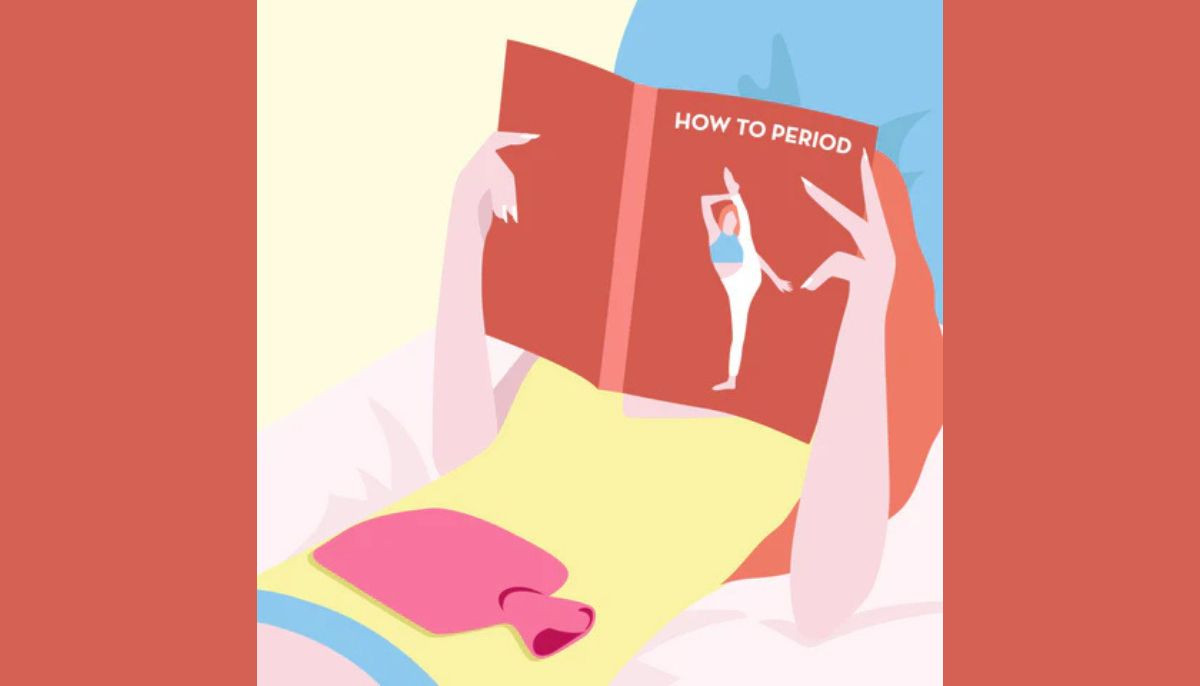
Beyond the physical burden of cramps and bloating, the emotional toll of a period can feel like a relentless rollercoaster.
Between sudden mood swings and a heightened sense of vulnerability, the psychological strain is often as exhausting as the physical symptoms.
Dr Aditi Govitrikar, a mental health advocate and former Mrs World, explains that this is no mere coincidence.
The shifting levels of estrogen and progesterone "directly affect the neurotransmitters like serotonin, the chemical in the brain in charge of your mood and well-being," she notes.
To navigate this monthly intensity, Dr Govitrikar suggests five practical strategies to soothe the mind. First, she encourages prioritising sleep, advising women to "look at rest as a regulation, and not indulgence."
Supporting your body with warm, iron-rich meals and magnesium-packed snacks like bananas can also help steady blood sugar and serotonin levels.
Though it is tempting to remain stationary, gentle movement, such as yoga or walking, releases endorphins that act as natural painkillers.
Heat therapy is another vital tool; Dr Govitrikar points out that "a softened body helps the mind to soften, too," which significantly reduces anxiety.
Finally, she recommends building "comfort rituals"—small acts like journaling or deep breathing that provide a grounding sense of familiarity.
By acknowledging these hormonal shifts and responding with compassion rather than frustration, women can transform a week of distress into a period of intentional self-care.
True wellness starts with listening to what your body and mind are desperately trying to communicate.
Note to readers: This article is for informational purposes only and not a substitute for professional medical advice. Always seek the advice of your doctor with any questions about a medical condition.