


Home / Lifestyle
Children of Chernobyl workers show inherited DNA mutations study finds
A new study shows that children of Chernobyl cleanup workers carry clusters of DNA mutations linked to their parents’ radiation exposure
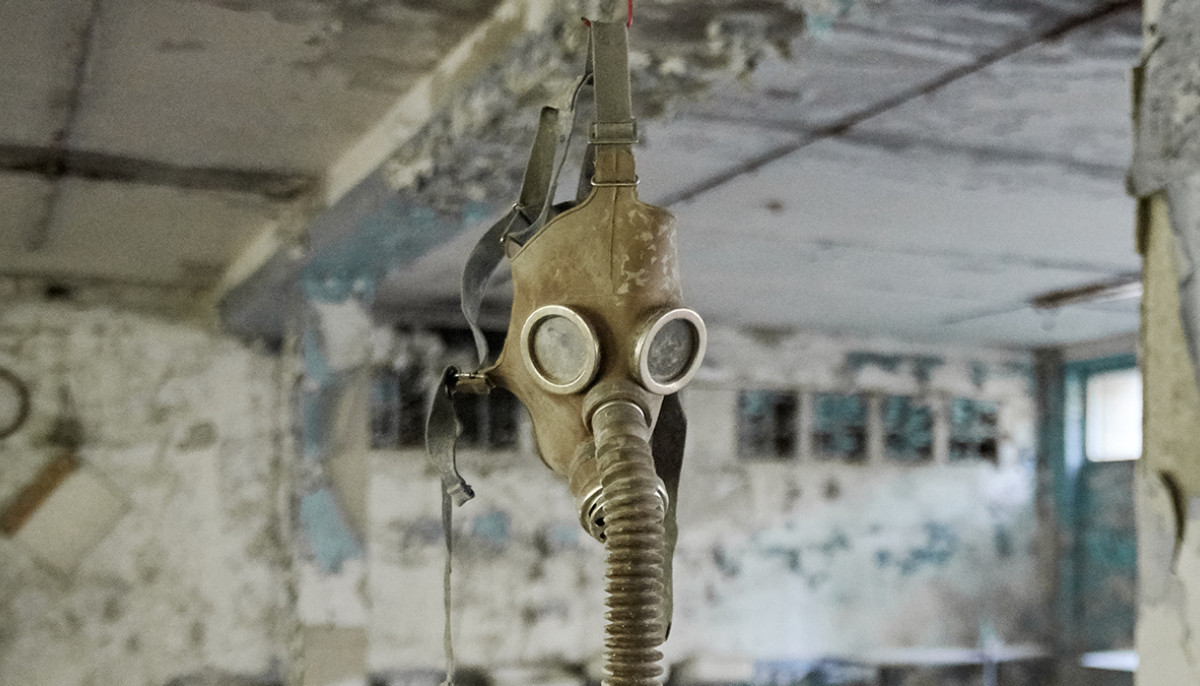
More than 40 years after the 1986 Chernobyl disaster, its genetic shadow may still linger. Researchers at the University of Bonn have found that children of nuclear cleanup workers carry an increased number of mutations in their DNA, linked to their parents’ exposure to ionising radiation.
The study focused on “clustered de novo mutations” (cDNMs), where two or more new mutations—absent in the parents—occur close together, indicating DNA damage that was imperfectly repaired. The genomes of 130 children of Chernobyl liquidators were sequenced and compared with 110 children of German radar operators exposed to low-level radiation and 1,275 children from unexposed families. On average, Chernobyl children carried 2.65 cDNMs, versus 1.48 in the radar group and 0.88 in unexposed children.
Scientists believe the mutations arose when reactive oxygen molecules, generated by radiation, damaged sperm DNA in the parents. These changes were then passed down, becoming part of the children’s genetic code. Importantly, most of the cDNMs occurred in non-coding regions of DNA, meaning they do not disrupt genes that produce proteins and therefore do not increase disease risk. Researchers also found that paternal age at conception had a greater effect on DNA mutation risk than radiation exposure.
The findings offer the first evidence of a transgenerational effect from low-dose radiation exposure on humans. While the study highlights a subtle genetic legacy of Chernobyl, it reassures that the children’s health is not at significant risk. The work also sheds light on how environmental hazards may quietly shape the genome across generations, without causing overt harm.