


Home / Lifestyle
New blood tests could detect Alzheimer’s decades before symptoms
Groundbreaking blood tests could detect Alzheimer’s disease up to 20 years before symptoms appear
Dementia remains the UK’s leading cause of death, claiming more than 75,000 lives each year. Yet diagnosis often comes late, when memory loss, confusion and cognitive decline are already pronounced.
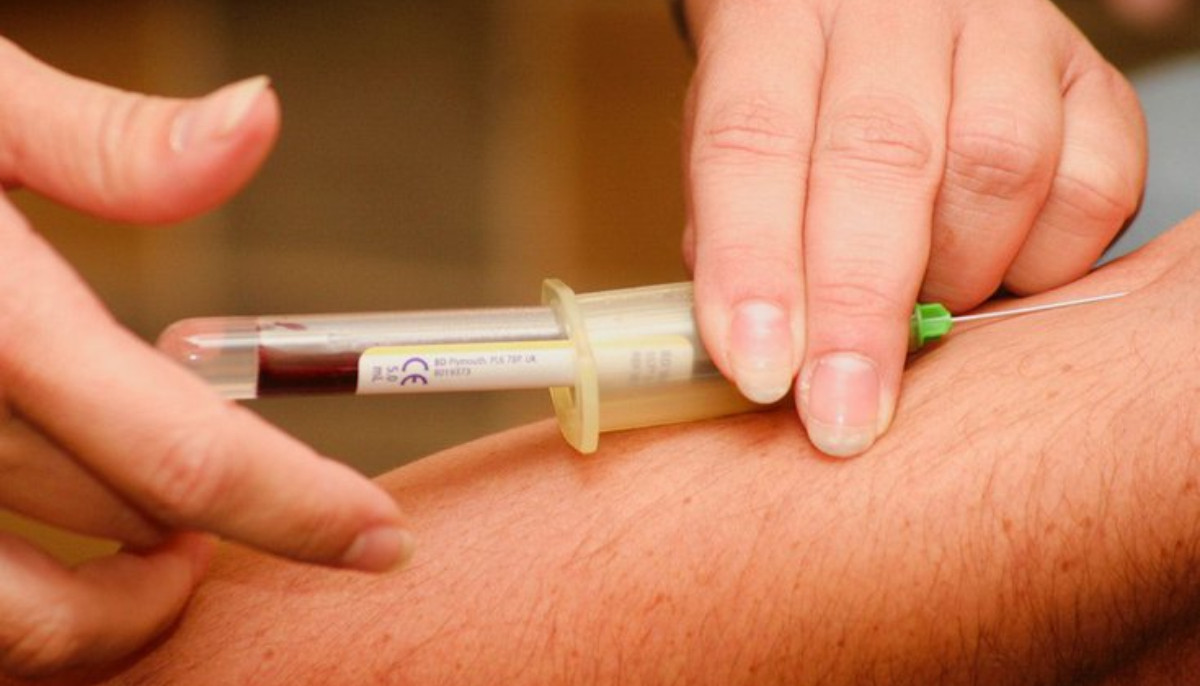
Now, scientists are developing a new generation of blood tests that could identify Alzheimer’s disease decades before symptoms begin — potentially transforming how the condition is detected and managed.
Alzheimer’s is the most common form of dementia, affecting nearly one million people in the UK. Currently, diagnosis relies on memory assessments, cognitive testing, and brain scans such as MRI or PET imaging to detect amyloid plaques and tau tangles. But these methods are expensive, time-consuming, and usually only used after symptoms appear.
Researchers at Northwestern University have identified toxic proteins known as ACU193+ that appear in the blood up to 20 years before symptoms develop. Publishing in the journal Alzheimer’s & Dementia, the team say the proteins are linked to inflammation and early nerve cell damage.
Professor Richard Silverman, senior author of the study, said early treatment is critical: once symptoms emerge, significant neurodegeneration has already occurred.
Meanwhile, in the UK, doctors at University College Hospital are trialling the Fujirebio Lumipulse assay, which detects a protein called pTau217 — considered one of the most promising biomarkers for Alzheimer’s.
Professor Jonathan Schott of University College London Institute of Neurology says some of these tests are so sensitive they can detect protein concentrations as low as one part per billion.
Although newer drugs such as Lecanemab and Donanemab can slow progression in early-stage patients, they are not currently approved for routine NHS use due to cost and safety concerns.
Experts caution that routine screening is still some way off. However, organisations like Alzheimer's Society say earlier, more accurate diagnosis will become increasingly important as treatments improve.
In the absence of a cure, many researchers believe early detection — combined with lifestyle changes such as regular exercise and a balanced diet — may offer the strongest defence against a disease that continues to devastate families across the country.