


Home / Entertainment
Olivia Colman speaks out against hatred as she stars in LGBTQ+ film 'Jimpa'
The Roses actress has urged audiences to embrace gender and sexuality differences in 'Jimpa'
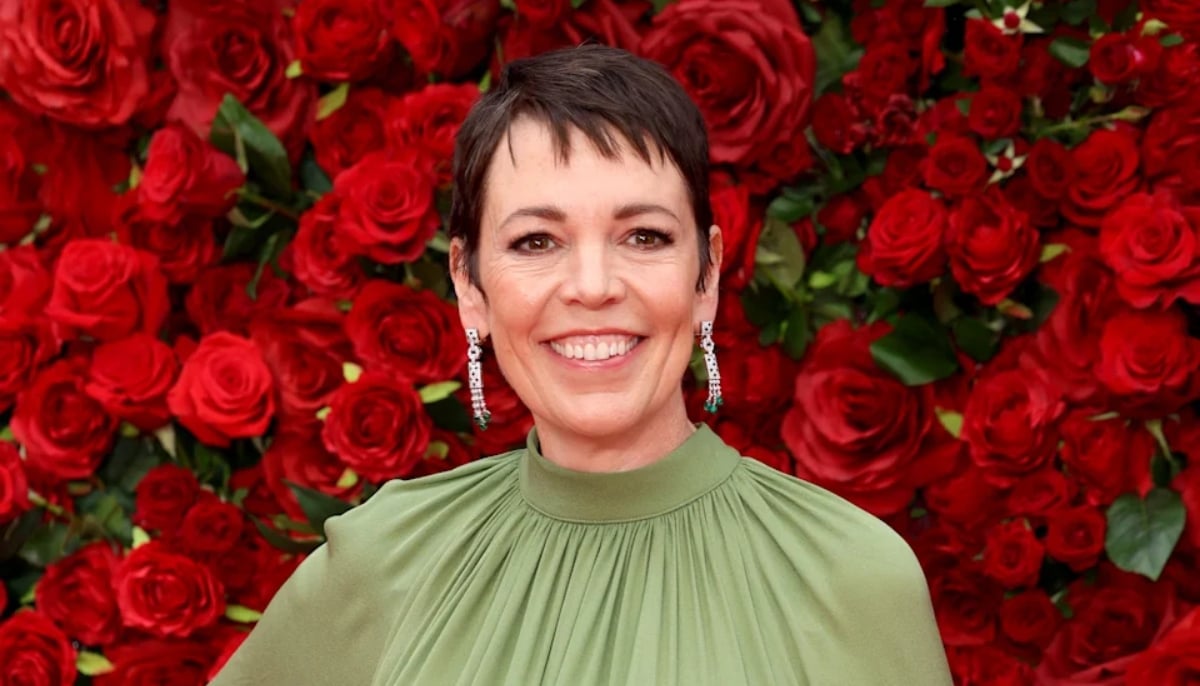
Olivia Colman has called on audiences to be more accepting of gender and sexuality as she has starred in Sophie Hyde’s new queer drama, Jimpa.
The 52-year-old actress, known for her versatility on screen, said society has “an awful lot of mistrust and hatred about things that there is no need to be hateful about,” in an interview with Variety.
“I love the fact that this film is about learning how to listen to each other without throwing the toys out the crib,” Colman added.
“It would be wonderful if films about queer stories were mainstream. I don’t understand how you can get so upset about it when someone is different… I think people are too nervous.”
Jimpa explores queerness and parenthood across generations, following the story of John Lithgow’s character, Jimpa, who left his family to pursue a free, gay life in Amsterdam.
Colman plays his daughter, Hannah, who brings her non-binary teen Frances, portrayed by Aud Mason-Hyde, to visit him.
The film highlights the teenager’s exploration of queer culture in Amsterdam and features performances by Zoe Love Smith, Hans Kesting, and Romana Vrede.
Director and co-producer Sophie Hyde emphasized the growing appetite for queer narratives.
“We lost so many queer characters from the TV screens,” she said. “And then up pops Heated Rivalry out of nowhere, a tiny Canadian gay streaming romance, and everyone just loves it. Clearly, we are craving these stories.”
Colman, who recently shared that she identifies as non-binary, has expressed discomfort with traditional gender roles throughout her life.
She told Them that she describes herself to her husband, Ed Sinclair, as a “gay man,” adding, “I’ve never felt massively feminine in my being female… And he goes, ‘Yeah I get that’. And I do feel so at home and at ease.”
Jimpa is set to bring queer stories to the forefront, with Colman hoping it helps normalize conversations about gender and sexuality in mainstream cinema.