


Home / Lifestyle
Can pink noise actually help you achieve a deeper sleep?
Pink noise mimics natural rain to align with the brain's restorative slow-wave activity
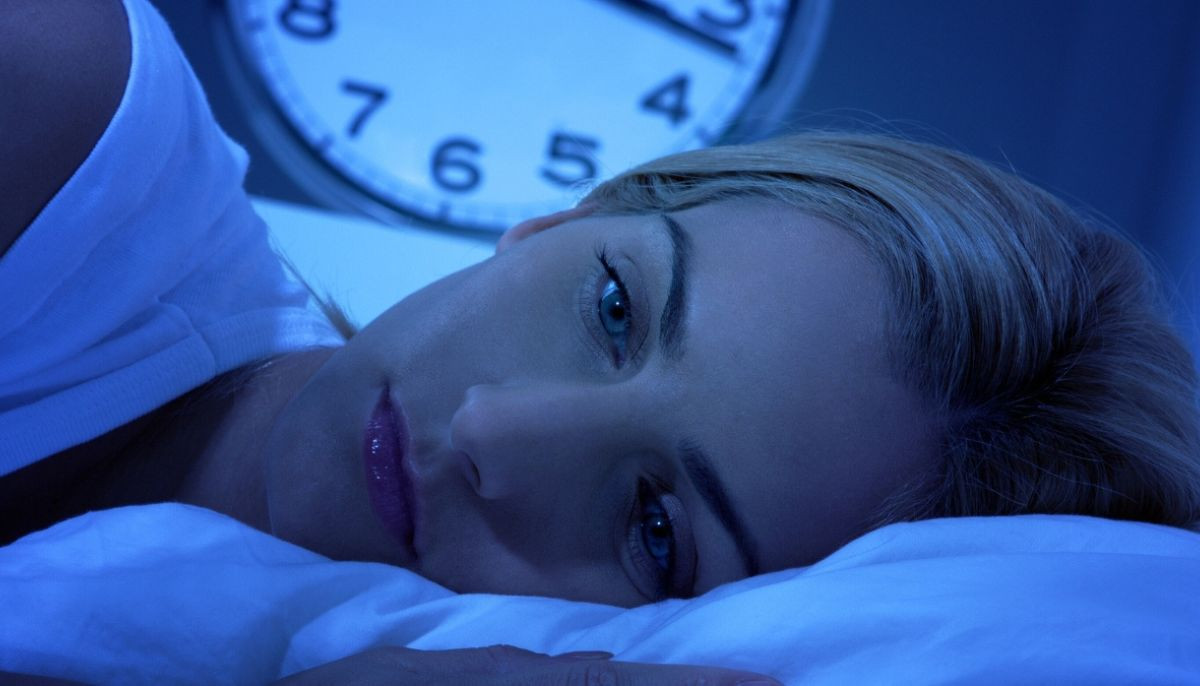
Many people now rely on "coloured noise" as a non-pharmacological gateway to better sleep. Whether it is the static "shh" of white noise or the gentle rainfall of pink noise, these sounds are celebrated for their calming effects.
However, experts are now questioning whether our reliance on these digital crutches could be disrupting our body's natural mechanisms.
Dr Nana Kunjir, a consultant pulmonologist, explains that each frequency serves a distinct purpose. White noise is a master of disguise, effectively "masking sudden environmental sounds, thus preventing sleep disturbances.
"In contrast, pink noise focuses on lower frequencies. It targets the brain's slow-wave activity during deep sleep, which is the most restorative stage of our nightly rest.
Despite the benefits, there are significant caveats. Dr Kunjir cautions that "too much dependence on external sound may impair the brain’s capacity to adapt to natural silence."
This can make it nearly impossible to drift off without a soundtrack. Furthermore, using earphones at high volumes poses a physical threat.
"If used at a high sound level, especially with earphones, it may cause permanent damage to the hearing," he warned.
There is also a risk for those with underlying issues like obstructive sleep apnea. Relying on sound to drown out restlessness can lead patients to delay vital medical treatment.
To stay safe, the doctor recommends keeping volumes "at less than 50 decibels" and using external speakers at a distance.
Finding a balance ensures that your sleep aid doesn't eventually become a hindrance to your long-term health.
Note to readers: This article is for informational purposes only and not a substitute for professional medical advice. Always seek the advice of your doctor with any questions about a medical condition.