


Home / Lifestyle
Identifying hidden signs of Complex PTSD beyond flashbacks
Emotional flashbacks in CPTSD often leave victims feeling small without clear cause
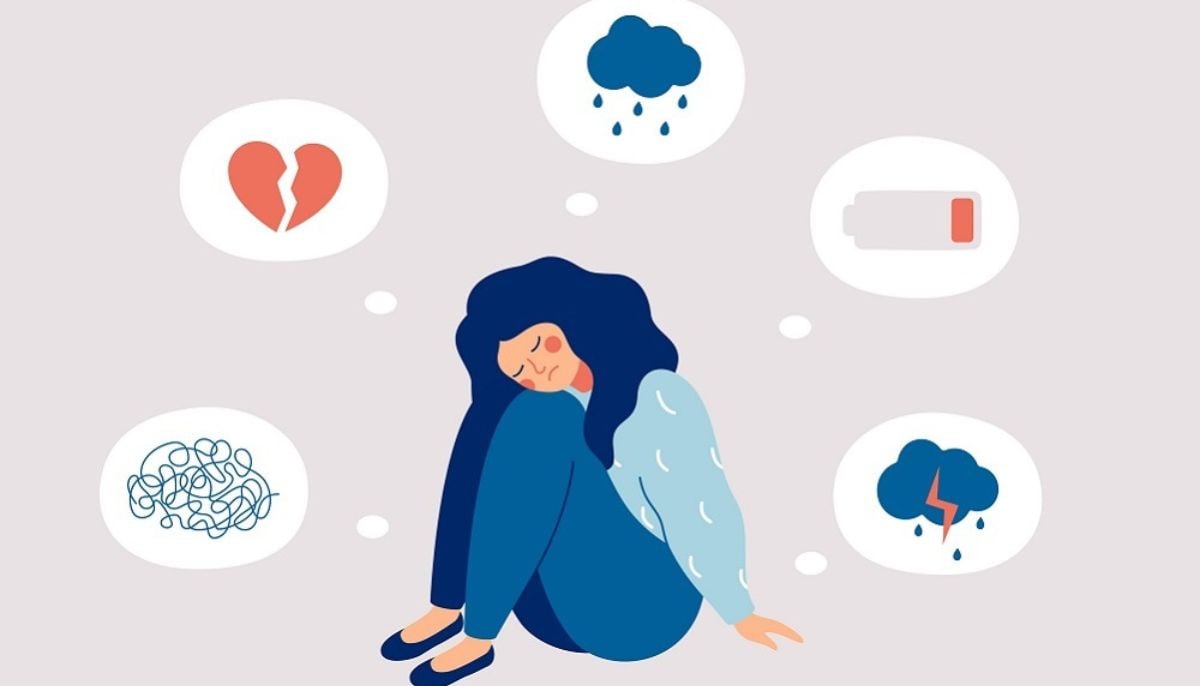
Complex Post-Traumatic Stress Disorder (CPTSD) is a profound mental health condition born from enduring long-term trauma, such as childhood abuse or domestic violence.
While standard PTSD often stems from short-term shocks like accidents, CPTSD emerges from repeated, chronic experiences.
Portland-based counsellor Jeff Guenther recently shared distinct symptoms that define this struggle, highlighting how the condition reshapes a person's entire reality.
Beyond the typical flashbacks and hypervigilance seen in PTSD, CPTSD introduces complex layers of emotional and relational difficulty. Guenther’s observations from over 20 years of practice include:
- Compulsive people-pleasing and rehearsing conversations before they happen.
- Emotional flashbacks, where one feels worthless or terrified without a visual memory.
- Time blindness or feeling like one is "performing" being a human.
- Exaggerated startle responses and extreme exhaustion after socialising.
- Identity struggles, including difficulty knowing what one truly wants.
- Relational insecurity, specifically “when someone's not in front of you, you struggle to believe that they still care about you.”
- A "freeze" response that mimics laziness but is actually a nervous system shutdown.
- Hypersensitivity to tone, making simple text messages feel like personal attacks.
- Hyper-responsibility for others' feelings and finding even positive transitions destabilising.
Recognising these traits is a vital step toward understanding that these behaviours are survival mechanisms, not personality flaws.
As Guenther explains, CPTSD is a heavy burden, but identifying the "why" behind the "what" can offer a path toward healing and emotional regulation.
Note to readers: This article is for informational purposes only and not a substitute for professional medical advice. Always seek the advice of your doctor with any questions about a medical condition.