


Home / Lifestyle
Surgeon explains the five ways fibre triggers natural weight loss
High-fibre diets can lead to a 10 per cent reduction in calorie intake
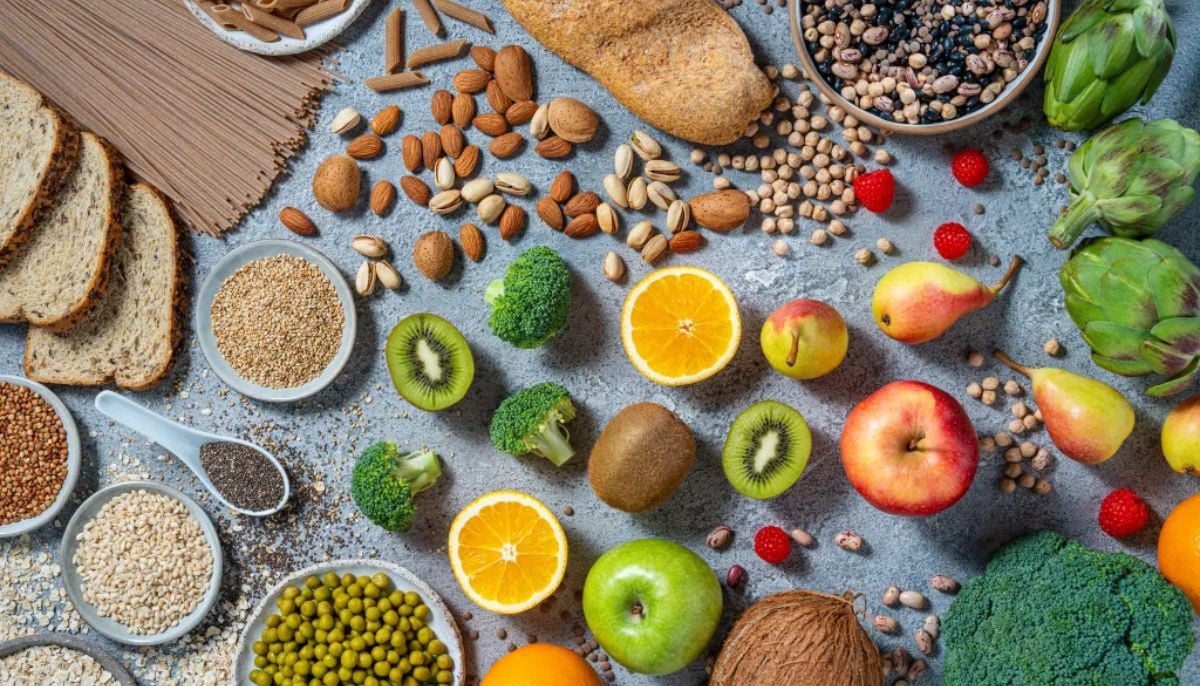
While fibre is often hailed for keeping us regular, its role in weight management is far more sophisticated.
Dr Karan Rajan, a prominent UK surgeon, recently explained that while fibre isn't a magical weight-loss pill, it acts as a powerful internal regulator. In an Instagram update on Thursday, he detailed how fibre helps the body work more efficiently.
Gastric distension
Fibre provides physical bulk. Dr Rajan explains: “Fibre physically stretches your stomach. This triggers mechanoreceptors to send a signal to your brain stem via your vagus nerve so you feel satisfied on fewer calories.”
Slowed gastric emptying
Soluble fibre turns into a gel, which acts like a biological speed bump. He states: “Food exits more slowly, so you stay fuller for longer between meals and do less snacking.”
Gut hormone release
Fibre naturally triggers the same satiety signals as popular weight-loss drugs. Dr Rajan notes: “The presence of fibre in your intestines stimulates L-cells to release GLP-1 and PYY, the same hormones that Ozempic mimics.”
Microbiome fermentation and absorption
In the colon, bacteria ferment fibre to produce fatty acids that lower hunger. Furthermore, high-fibre meals can lower calorie intake because "some nutrients bind to the fibre and pass through undigested."
However, the surgeon warns that "fibre can't override thermodynamics." It simply makes a calorie deficit easier to maintain by reducing hunger.
While supplements are a useful tool, he urges people to prioritise whole foods for their complex nutrients, noting: “Do not use supplements as an excuse to never eat fibre-rich foods.”
Note to readers: This article is for informational purposes only and not a substitute for professional medical advice. Always seek the advice of your doctor with any questions about a medical condition.