


Home / Lifestyle
Expert-recommended tips to get rid of red and irritated acne
Learn how gentle skincare and targeted treatments can reduce acne redness effectively
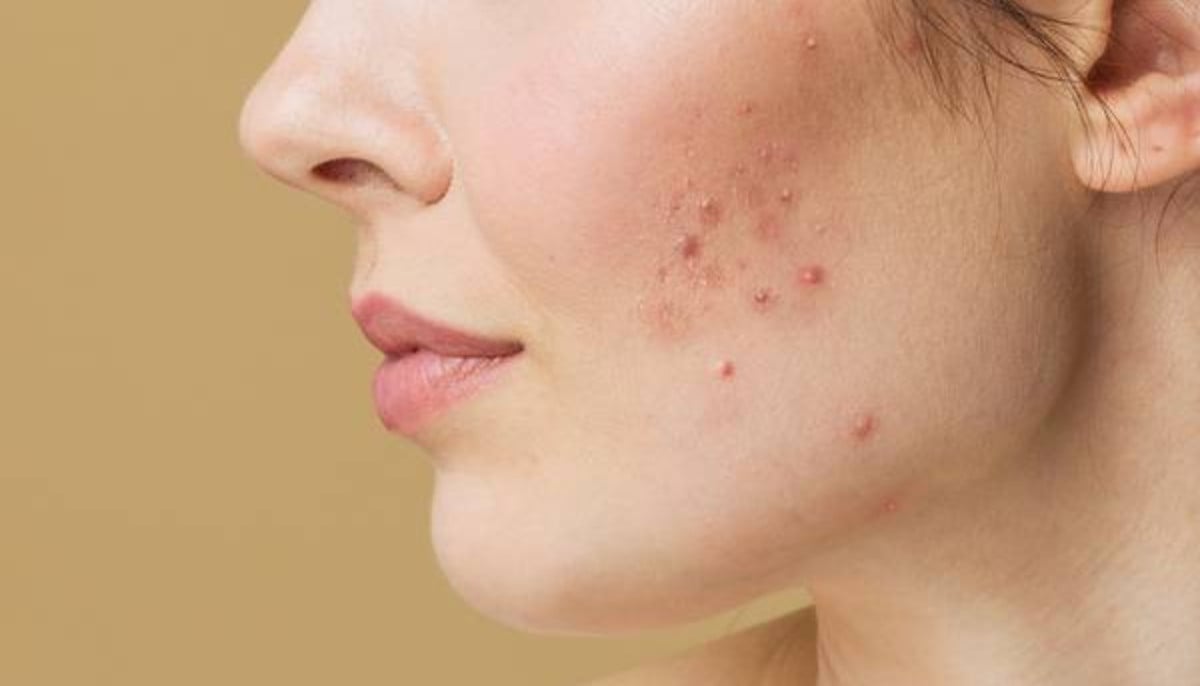
Even the most dedicated skincare enthusiasts get pimples. Red, inflamed acne blemishes can be frustrating, but there are effective ways to calm the skin and reduce discoloration both at home and with professional care.
Calm your skin with gentle skincare
The key to reducing redness is applying anti-inflammatory products while avoiding overuse of harsh treatments. Over-cleansing or scrubbing aggressively can trigger excess oil production, worsening acne. Experts recommend a simple, targeted routine:
- Cleansing: Wash your face twice daily with a gentle, fragrance-free, noncomedogenic cleanser.
- Niacinamide: Use a serum or cream containing niacinamide, a form of vitamin B3, to reduce inflammation.
- Salicylic acid: Apply 0.5%–5% salicylic acid to blemishes. It acts as a peeling agent and has anti-inflammatory, antimicrobial, and antifungal properties.
- Pimple patches: Consider patches with niacinamide, salicylic acid, or vitamin C to minimize redness and promote healing.
- Ice: Apply an ice pack or wrapped ice cube to inflamed areas for up to 10 minutes.
- Moisturizer: Use a lightweight, hypoallergenic, noncomedogenic moisturizer to prevent dryness. Ingredients like hyaluronic acid are ideal.
When to seek professional help
Persistent, painful, or inflamed acne may require professional treatment. Dermatologists can prescribe stronger topical treatments, chemical peels, or laser therapy.
Acne can resemble rosacea, which requires different care. If redness persists or worsens, consult a professional. A mild cortisone cream may reduce inflammation, but use sparingly as overuse can cause thinning of the skin or worsen acne.
- Concealing Redness with Makeup
- Sometimes skincare alone isn’t enough, and makeup can help cover blemishes:
- Clean hands and face thoroughly.
- Apply a light moisturizer and, if used, a tinted base.
- Use a thick, putty-like concealer or a green color-correcting option to neutralize redness.
- Blend carefully and set with a powder.
- Clean brushes regularly and choose noncomedogenic, oil-free products to avoid irritation.
Prevent future breakouts
- Consistency is key. A preventative routine can help reduce both inflammation and new blemishes:
- Cleanse twice daily.
- Apply topical anti-acne treatments, including benzoyl peroxide, azelaic acid, adapalene, or tea tree oil.
- Moisturize lightly and apply sunscreen in the morning.
- Avoid squeezing pimples to prevent worsening redness or scarring.
- If your acne doesn’t improve with at-home care, professional guidance is crucial.
The Takeaway
Redness from pimples signals inflammation, often hormone-related. Gentle, consistent skincare with anti-inflammatory ingredients can calm the skin, while light makeup offers temporary coverage. Persistent blemishes should be evaluated by a dermatologist for targeted treatment.