


Home / Lifestyle
Processed foods linked to 47% higher risk of heart disease, study finds
Ready-to-eat meals may taste good, but research links them to inflammation and higher cholesterol
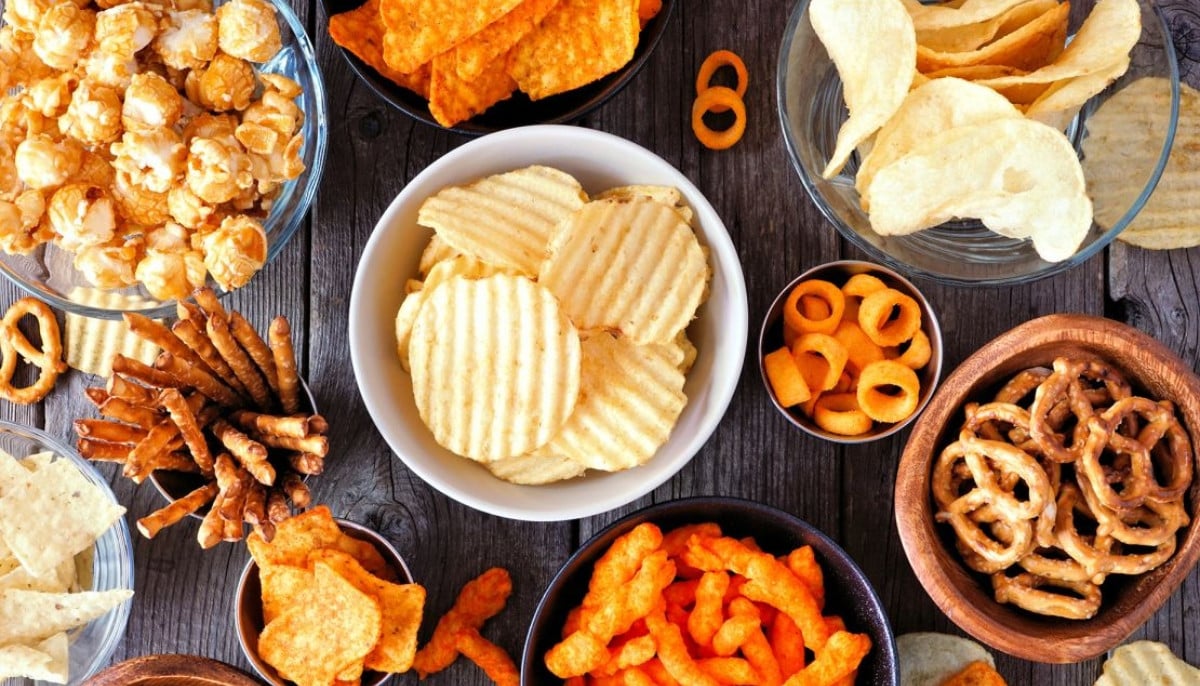
Ultra-processed foods have become a staple in diets worldwide, but new research highlights the serious health risks they pose.
A study published last month in The American Journal of Medicine revealed that adults who consume higher amounts of ultra-processed foods have nearly a 47% increased risk of cardiovascular disease (CVD). The study, which included roughly 4,700 participants, underscores the connection between modern dietary habits and chronic health outcomes.
CVD encompasses a range of conditions that affect the heart and blood vessels, including high blood pressure, high cholesterol, and diabetes. While these conditions can often be managed with lifestyle changes, medications, and preventive screenings, untreated or poorly managed cases can lead to heart failure, heart attacks, metabolic syndrome, and long-term organ damage.
Why ultra-processed foods are so appealing
Ultra-processed foods are engineered to last longer, taste better, and appeal to busy lifestyles. Ready-to-eat meals often contain shelf stabilizers, carefully balanced fats, carbohydrates, and sodium, designed to be flavorful even weeks or months after production.
However, the same features that make these foods appealing also drive higher caloric intake. Research published in Cell Metabolism found that eating ultra-processed foods not only encourages overconsumption but also increases markers of systemic inflammation and oxidative stress, both linked to accelerated aging and cell damage.
Additional studies have highlighted other negative health effects, including higher LDL (“bad”) cholesterol, lower HDL (“good”) cholesterol, hormonal changes affecting metabolism, and impaired sperm production and motility.
Balancing Health and Practicality
Despite these risks, completely eliminating ultra-processed foods may be unrealistic. Fast food and processed groceries remain ubiquitous, with nearly a third of U.S. adults consuming fast food on any given day.
Health experts recommend limiting ultra-processed foods while increasing intake of fresh, nutrient-rich foods, including whole grains, lean proteins, vegetables, and dairy, with reduced added sugars. Gradual, sustainable changes in diet are often more effective than drastic, all-or-nothing approaches.
“Focusing on fresh, minimally processed foods, rather than cutting entire food groups out at once, will yield the most sustainable health benefits,” notes Dr. Balasubramanian.