


Home / Technology
Investing heavily in AI robots that could outnumber workers soon
According to a former Citi executive, purchasing a humanoid today can provide a return on investment
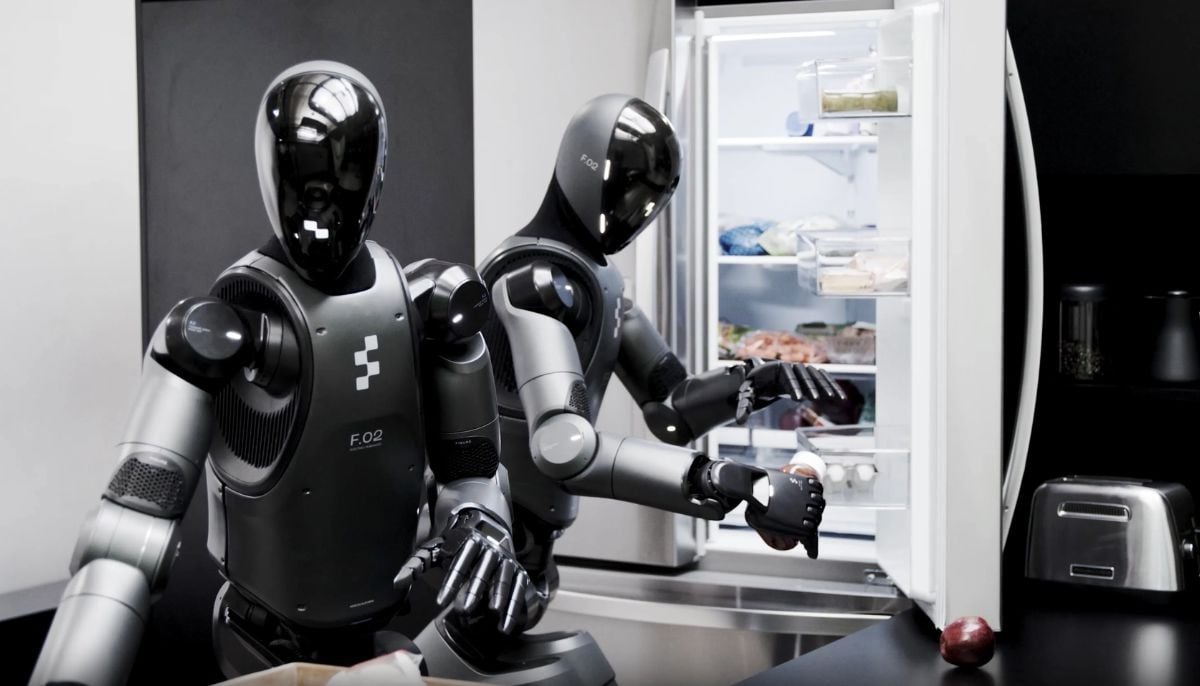
In a few decades, AI robots are predicted to outnumber the human workforce as companies embrace AI agents and strive to reduce expenses, a former Citi executive cautioned on Monday.
Rob Garlick, who previously spearheaded innovation, technology, and the future of work at Citi Global Insights, explained to CNBC's "Squawk Box Europe" that prioritising profit could leave human employees behind.
"Our current economic and business leadership models highly value profit," Garlick mentioned in a discussion with CNBC's Steve Sedgwick and Ben Boulos.
"Pairing profitability with technological advancement foretells a major shift where AI will increasingly take over tasks more effectively and affordably, replacing human roles."
Garlick, author of "AI – Anarchy or Abundance? Why the Future of Work Needs Pro-Human Leaders," highlighted that according to his research conducted at Citi, AI robots are expected to surge due to such business strategies.
"In the coming decades, the count of robotic machines is set to surpass the working populace. Additionally, the proliferation of small autonomous agents will further amplify this trend," he elaborated.
From humanoids to home-cleaning robots and self-driving vehicles, AI robots are projected to hit 1.3 billion by the year 2035, based on a 2024 Citi report managed by Garlick. Insights show that by 2050, AI robots could exceed 4 billion.
The Citi report also gauged the timeframe for a robot to recoup its cost, replacing a human worker.
For example, a $15,000 robot replacing a $41/hour human position would break even in 3.8 weeks, or in 21.6 weeks for a $7.25/hour role. A $35,000 robot substituting for a $41/hour job would pay for itself in 8.9 weeks.
"A human-replacing humanoid is currently affordable, offering a payback period of under 10 weeks," Garlick stated to CNBC, quoting his book. "This is where human competition falters."
Microsoft's Work Trend Index report indicates that 80% of leaders foresee significant integration of AI agents into their AI strategies within the next 12 to 18 months.
AI agents are software capable of executing decisions and tasks independently of human guidance.
Tesla CEO Elon Musk echoed these sentiments at the World Economic Forum's annual conference in Davos, suggesting that AI might outsmart humans by the year's end.