


Home / Lifestyle
Oxford study suggests vegetarians may have significant protection against five types of cancer
Aligning meals with a diet rich in fruits, vegetables, and fiber could help lower cancer risk
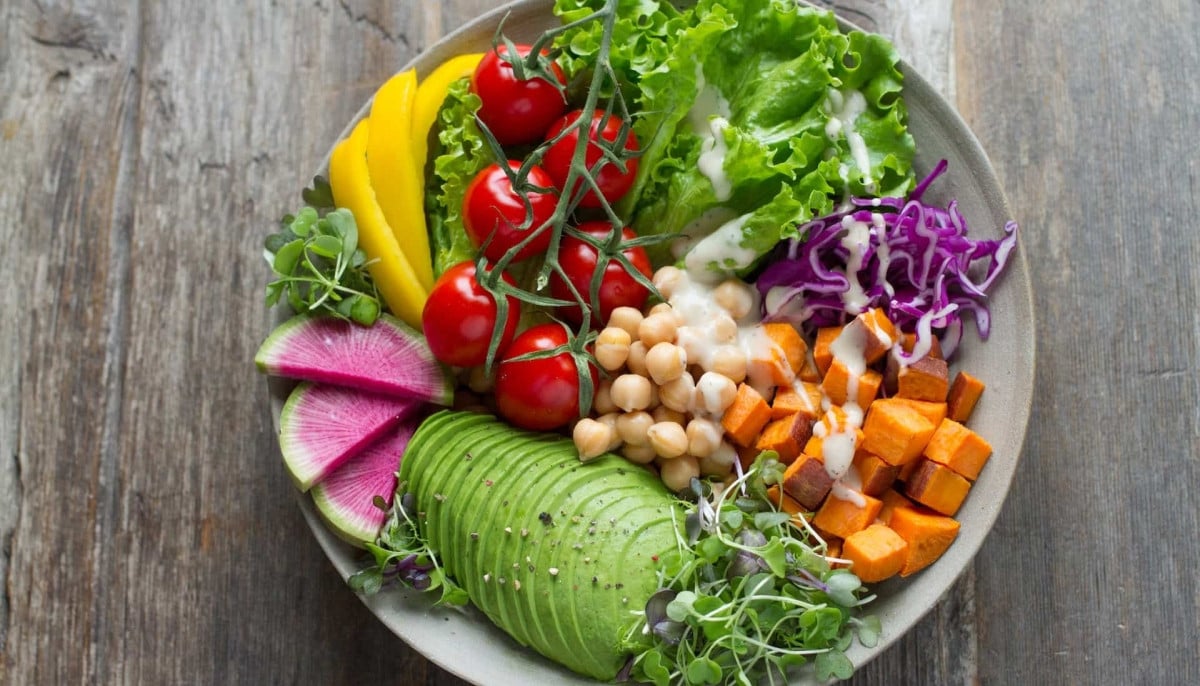
A vegetarian diet could lower the risk of several cancers by up to 30%, according to a new study conducted by researchers at the University of Oxford.
The study, published in the British Journal of Cancer and funded by the World Cancer Research Fund, analyzed dietary habits and cancer incidence among more than 1.8 million participants from the UK, US, and other countries. Researchers found that vegetarians had:
- A 28% lower risk of kidney cancer
- A 31% lower risk of multiple myeloma, a type of blood cancer
- A 21% lower risk of pancreatic cancer
- A 12% lower risk of prostate cancer
- A 9% lower risk of breast cancer
The team noted that vegetarians typically consume more fruits, vegetables, and fiber, and avoid processed meats, which may contribute to these lower risks.
Unexpected Findings and Nutrient Considerations
Despite these benefits, the study found that vegetarians had nearly double the risk of esophageal cancer compared to meat eaters, while vegans showed a higher risk of bowel cancer.
Researchers suggested these differences could be linked to lower intakes of certain nutrients, such as calcium, more commonly found in animal-based foods.
“Vegetarians typically consume more fruit, vegetables, and fiber than meat eaters, and no processed meat, which may contribute to lower risks of some cancers,” said Aurora Perez-Cornago, the study’s principal investigator.
She added that further research is needed to understand why vegans and vegetarians may have higher risks for certain cancers.
The role of meat in cancer risk
The research reinforced existing evidence that processed and red meats increase cancer risk, particularly for bowel cancer. White meat, such as chicken and turkey, has not been linked to elevated cancer risk.
Tim Key, emeritus professor of epidemiology at Oxford Population Health and co-author of the study, noted that differences in cancer rates between vegetarians and meat eaters were “not very big” and that some effects may relate directly to meat consumption rather than the vegetarian diet itself.
Study details
The study pooled data from multiple global cohorts, including:
- 1.64 million meat eaters
- 57,016 poultry-only eaters
- 42,910 pescatarians
- 63,147 vegetarians
- 8,849 vegans
Participants’ food intake was assessed using questionnaires reflecting a “typical diet” over the previous year, and factors such as body mass index were considered.
Expert Advice
While the research highlights potential benefits of a vegetarian diet, experts recommend a balanced approach to reduce cancer risk:
- Emphasize whole grains, pulses, fruits, and vegetables
- Limit processed and red meats
- Ensure adequate intake of key nutrients such as calcium