


Home / Lifestyle
Terrifying reason your gut microbes might be eating your stomach lining
A lack of dietary fibre can force gut microbes to degrade the body's mucus barrier
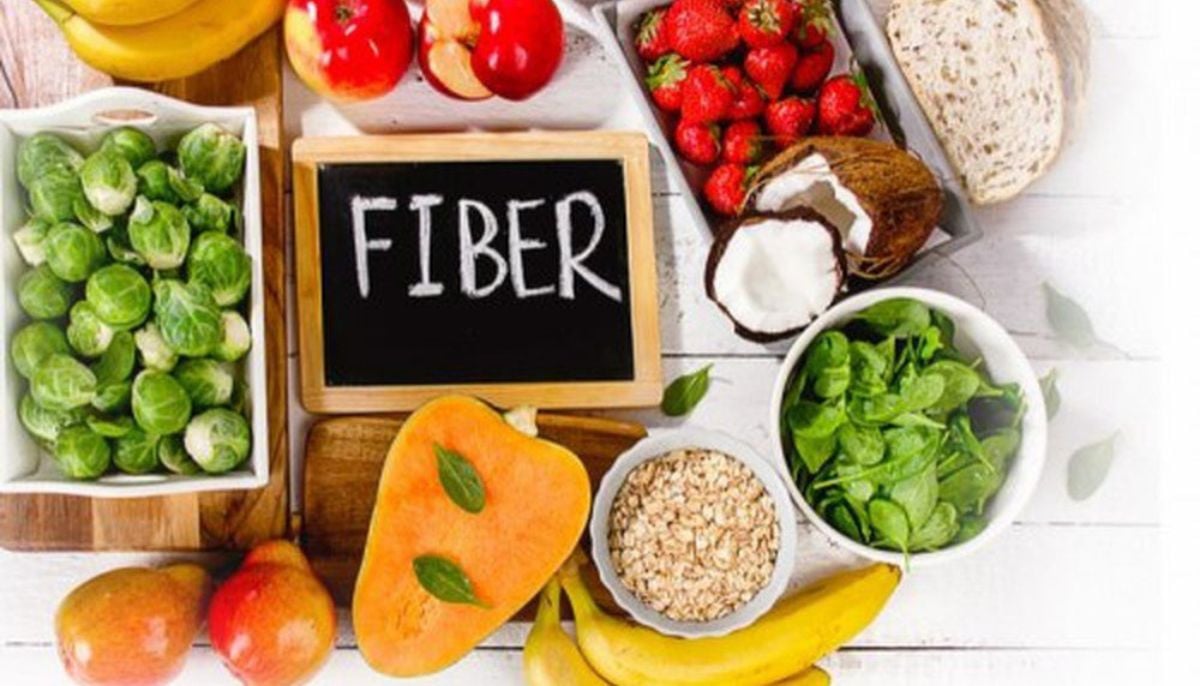
Most of us view fibre simply as a way to keep our digestion moving, but experts are warning that its absence can trigger a silent collapse of several bodily systems.
Dr Kunal Sood, an anaesthesiologist and specialist in pain medicine, recently took to social media to highlight the hidden dangers of a low-fibre diet.
In a detailed update on 1 March, he explained that skipping your roughage does far more than just cause a bit of sluggishness.
The health implications are vast, affecting everything from your heart to your gut lining. Dr Sood noted, “Low fibre intake does not just slow bowel movements. It alters bile acid handling, glucose absorption, gut microbiota fuel, and long-term colon health.”
Without soluble fibre to trap cholesterol, the liver cannot effectively pull fats from the bloodstream. Furthermore, a lack of fibre leads to rapid blood sugar spikes, as there is no "diffusion barrier" to slow down carbohydrate absorption.
Perhaps most concerning is the impact on our internal microscopic world. When deprived of fibre, gut microbes actually begin to eat the body’s own protective mucus lining.
Dr Sood warned that this "mucus barrier degradation" can lead to greater susceptibility to pathogens and a 10% higher risk of colorectal cancer for every 10g/day deficiency.
By the time symptoms actually appear, these systems may have been struggling for years. Ensuring a high-fibre intake is not just about comfort; it is a vital shield for long-term survival.