


Home / Technology
Why AI surveillance at work might be killing your productivity
AI now allows managers to monitor staff behaviour more closely than ever
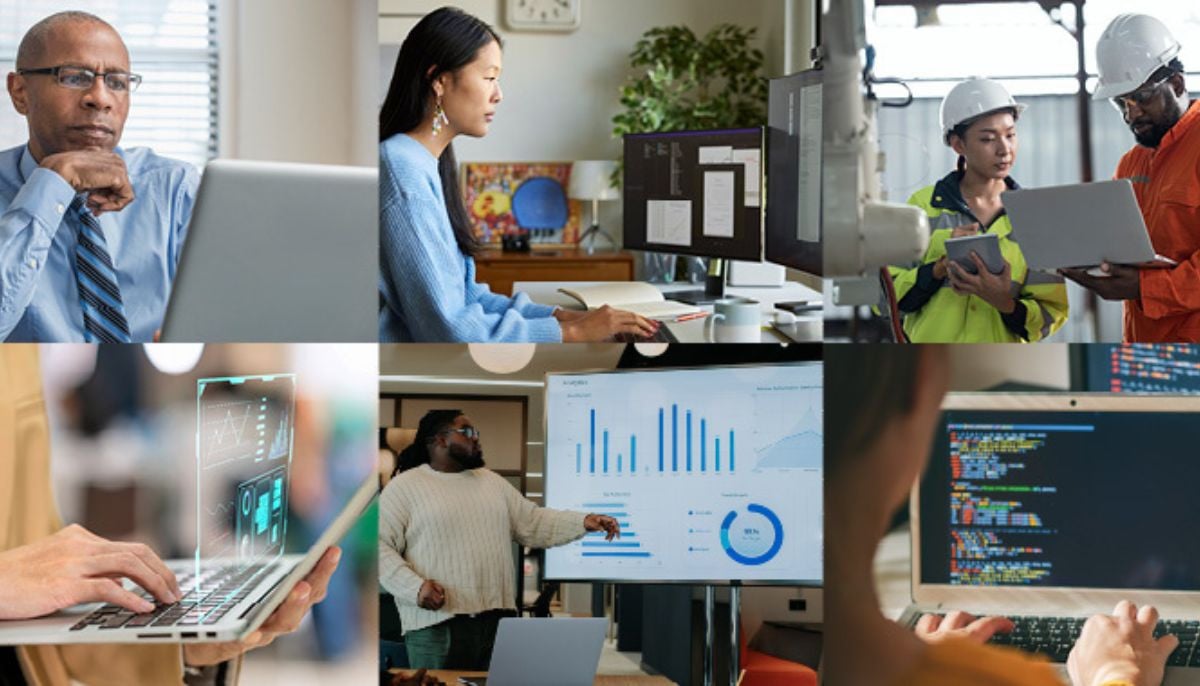
The rise of artificial intelligence has sparked widespread fears about job security, but a more immediate shift is occurring in how we are managed: the birth of "bossware".
This technology allows employers to monitor activity, output, and even subtle behaviours with unprecedented precision. Popularised following a 2020 report by the Electronic Frontier Foundation, these tools are fundamentally altering workplace autonomy.
Karen Levy, a Professor at Cornell University, notes: "AI allows employers to monitor their employees in ways they never could before."
In the haulage industry, for instance, AI-driven video surveillance can detect signs of driver fatigue. Meanwhile, in the corporate world, algorithmic tools track keystrokes, productivity habits, and even biometric data.
The shift to remote working during the pandemic accelerated this trend, with managers turning to keyboard tracking and frequent screenshots to keep tabs on staff.
By 2022, eight out of ten major US private employers were using such metrics. However, Stanford Professor Rob Reich argues that measuring typing speed does not accurately reflect the quality of work produced.
Constant surveillance often denies workers essential downtime and shifts the power balance heavily toward management. To combat a "culture of surveillance," experts suggest involving staff in technology discussions.
Levy argues that granting employees more autonomy, rather than constant monitoring, is the true key to boosting productivity and retaining talent.
Without caution, the very tools designed to improve efficiency may instead erode the trust and mental well-being necessary for a healthy, functioning workforce.