


Home / Lifestyle
Why younger adults are facing a higher risk of colon cancer today
Fibre is essential for binding harmful substances and protecting the colon lining
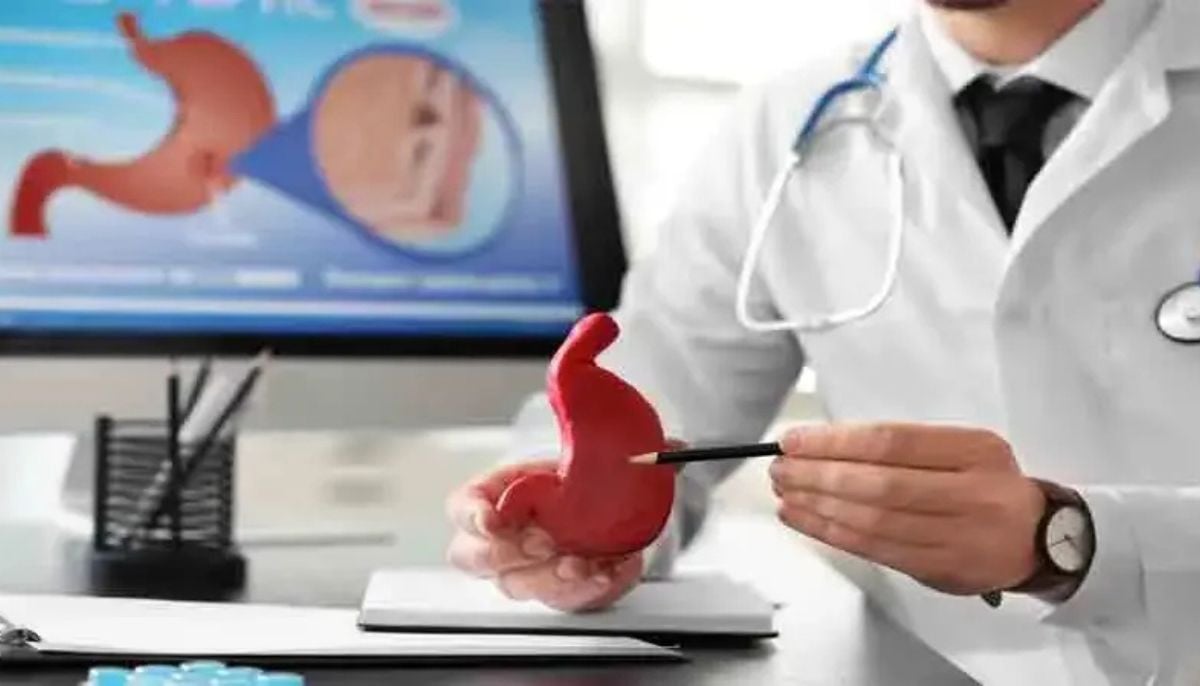
Oncology experts are sounding the alarm over the rising incidence of colon cancer among younger adults, highlighting that modern dietary habits are a primary driver of the disease.
Dr Vartika Vishwani, a consulting onco-surgeon with over 14 years of experience, has identified five specific food groups that significantly elevate risk.
In a detailed briefing shared on Friday, she explained that these items can damage the colon lining and trigger chronic inflammation.
High-risk carcinogens
Dr Vishwani pointed to processed meats, such as bacon and sausages, as major culprits. “The WHO (World Health Organisation) calls these Group 1 carcinogens, meaning the risk of cancer from them is very high in humans,” she noted.
Red meats like beef and lamb also pose a threat, particularly when grilled. She explained that these foods “contain compounds that can damage the lining of your colon when eaten in large amounts.”
Dietary deficiencies and inflammation
A lack of roughage is equally dangerous for gut health. Dr Vishwani advocates for a intake of 25 to 30 grams of fibre daily.
“Fibre helps keep things moving and binds harmful substances, reducing exposure to your colon,” she emphasised. Other significant risks include:
- Alcohol: Classified as a Group 1 carcinogen that can cause cellular mutations.
- Deep-fried foods: These form acrylamides and trans fats, leading to DNA damage.
The surgeon urges a shift towards whole grains, legumes, and lean proteins to protect the digestive system.
By prioritising these nourishing options, individuals can improve digestion and actively lower their future cancer risk.
Note to readers: This article is for informational purposes only and not a substitute for professional medical advice. Always seek the advice of your doctor with any questions about a medical condition.