


Home / Lifestyle
Short bed routine may improve core strength and posture for older adults
Experts say controlled bed exercises can activate deep core muscles without stressing joints
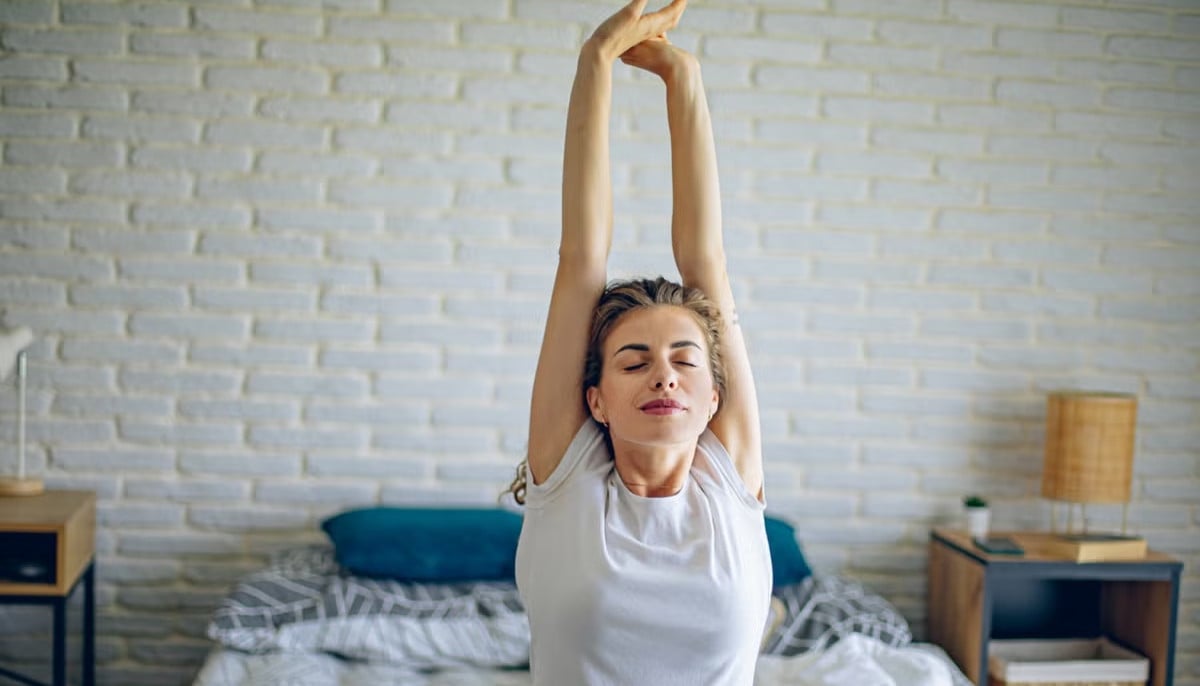
A short daily routine performed on a bed can help older adults rebuild core strength, improve posture, and support overall mobility, all without the need for floor exercises or gym equipment.
Fitness experts say the body retains a strong ability to respond to training even after the age of 55, particularly when exercises focus on controlled movements and consistent practice.
Strengthening the muscles of the midsection plays a crucial role in maintaining balance, stability, and everyday functionality.
Many people struggle with traditional core workouts such as planks or floor-based exercises because they can place pressure on joints or feel uncomfortable.
Bed-based training offers a supportive environment that allows individuals to focus on controlled breathing and proper movement patterns while reducing strain on the body.
Experts say these supported positions help activate the deep abdominal muscles that stabilize the spine and support posture.
When practiced regularly, the exercises can improve core control, reduce stiffness, and make daily movements such as standing, walking, or lifting easier.
A simple seven-minute routine
The routine consists of four controlled exercises performed in short intervals. Each movement targets different areas of the core while remaining gentle on joints.
What you need:- A sturdy bed and about seven uninterrupted minutes.
- Workout format:
- Dead Bugs – 30 seconds
- Reverse Crunches – 30 seconds
- Russian Twists – 30 seconds
- Supine Knee Tucks – 30 seconds
Perform each exercise back-to-back and repeat the circuit three times.
Experts recommend setting a timer for 30-second intervals and focusing on slow, controlled movements while keeping the abdominal muscles engaged throughout the routine.
Dead Bugs
Dead bugs are designed to train deep core muscles responsible for stabilizing the spine while the arms and legs move.
The exercise encourages the body to resist unwanted motion, helping improve posture and balance. Many adults notice their lower abdominal muscles activating quickly when the movement is performed correctly.
How to perform:
- Lie on your back on the bed with arms extended toward the ceiling.
- Lift your knees so hips and knees form a 90-degree angle.
- Brace your core and gently press your lower back into the bed.
- Slowly lower one arm and the opposite leg toward the bed.
- Return to the starting position and alternate sides.
Reverse Crunches
Reverse crunches primarily target the lower abdominal muscles, which tend to weaken with age.
This movement helps train the pelvis to tilt under control, strengthening the muscles that support the front of the core. It creates a strong contraction without placing strain on the neck or relying on momentum.
How to perform:
- Lie on your back with knees bent and feet lifted.
- Place your arms at your sides for support.
- Engage your core and tilt your pelvis upward.
- Lift your hips slightly off the bed.
- Lower slowly and repeat.
Russian Twists
Russian twists focus on the oblique muscles located along the sides of the abdomen. These muscles help the body rotate and stabilize during everyday movements.
Strengthening the obliques can improve balance and coordination while supporting better trunk control.
How to perform:
- Sit on the bed with knees bent and feet resting on the surface.
- Lean slightly back while keeping the chest lifted.
- Clasp your hands together.
- Rotate your torso to one side, then to the other.
- Continue alternating slowly.
Supine Knee Tucks
- Supine knee tucks activate the entire abdominal wall while coordinating hip and core movement.
- The exercise challenges the core through a full range of motion and helps build endurance in the midsection.
- How to perform:
- Lie on your back with legs extended.
- Place your hands at your sides.
- Draw both knees toward your chest while tightening your core.
- Pause briefly at the top.
- Extend your legs back out with control and repeat.
Habits That Support Core Strength
Fitness professionals emphasize that short routines become most effective when combined with consistent daily habits. Regular movement, proper posture, and adequate nutrition can accelerate improvements in core strength.
Experts recommend several simple practices:
- Train your core most days of the week to build endurance.
- Engage the abdominal muscles during everyday tasks such as lifting or standing.
- Maintain proper posture by keeping the ribs stacked over the hips.
- Ensure adequate protein intake to support muscle maintenance.
- Gradually increase workout intervals as strength improves.