


Home / Lifestyle
Why this popular gut-health hack could backfire for some patients
A leading specialist explains why eating these tiny seeds dry is a major risk
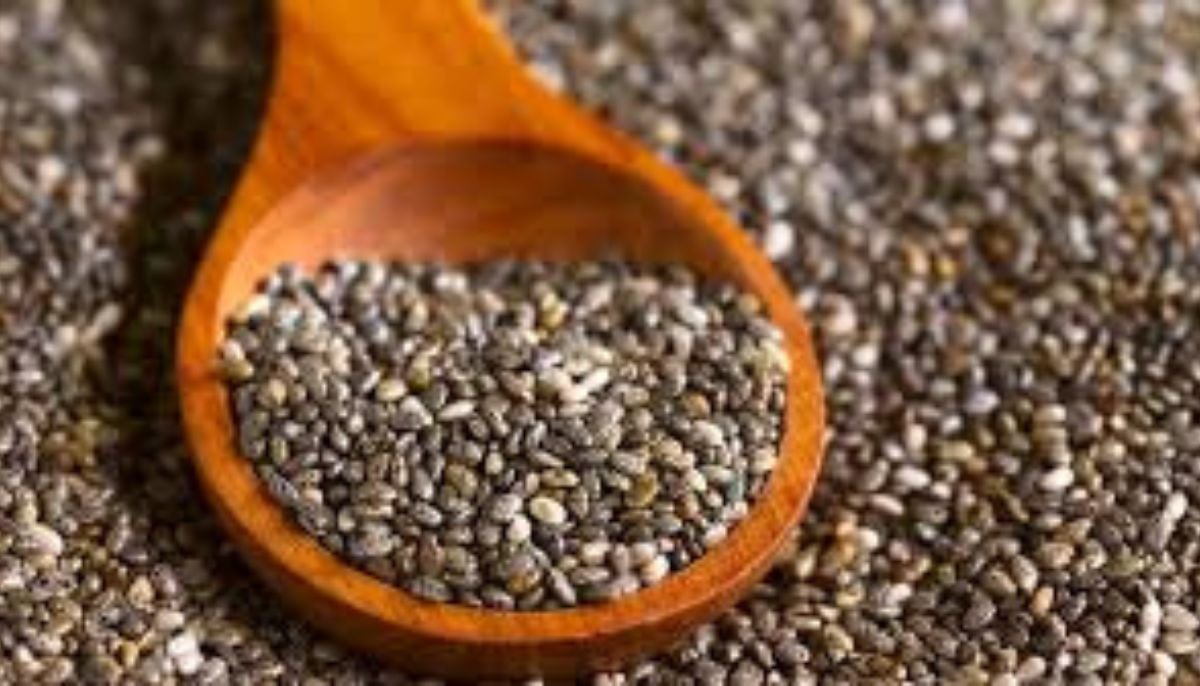
A California-based gastroenterologist has warned that while chia seeds are a celebrated "superfood," they can pose significant health risks if consumed improperly or by specific high-risk groups.
Dr Saurabh Sethi, a specialist trained at Harvard and Stanford, highlighted on 8 March that the seeds' ability to absorb up to 12 times their weight in water is a primary concern.
"Eating them dry has rarely not caused oesophageal obstruction. Always soak or hydrate first," Dr Sethi cautioned, noting that the seeds can expand rapidly in the throat.
The expert identified five specific categories of people who should exercise caution:
Swallowing disorders: Those with oesophageal narrowing may face life-threatening obstructions if seeds are not pre-soaked.
Low-fibre diets: Since two tablespoons contain 10 grams of fibre, "rapid increases can cause bloating, gas, or discomfort, especially in IBS."
Users of blood thinners: The ALA omega-3 content has "mild antiplatelet effects" that may interact with medication.
Severe motility disorders: Conditions like gastroparesis may not tolerate the gel-forming nature of the seeds.
Seed allergies: Though rare, these can trigger acute allergic reactions.
For the general population, Dr Sethi maintains that the seeds offer excellent prebiotic and metabolic support, provided they are introduced gradually.
He recommends starting with one tablespoon, ensuring they are soaked in liquid, and slowly increasing to two.
"For most people, chia seeds are safe and beneficial," he concluded, though he stressed that for this nutritional "brush" to work effectively, dose and individual health context remain paramount.
Note: This article is for informational purposes only and not a substitute for professional medical advice. Always seek the advice of your doctor with any questions about a medical condition.