


Home / Technology
How AI and proof assistants are 'reshaping' the future of mathematics
Experts explain why formal proofs are becoming more accessible than ever
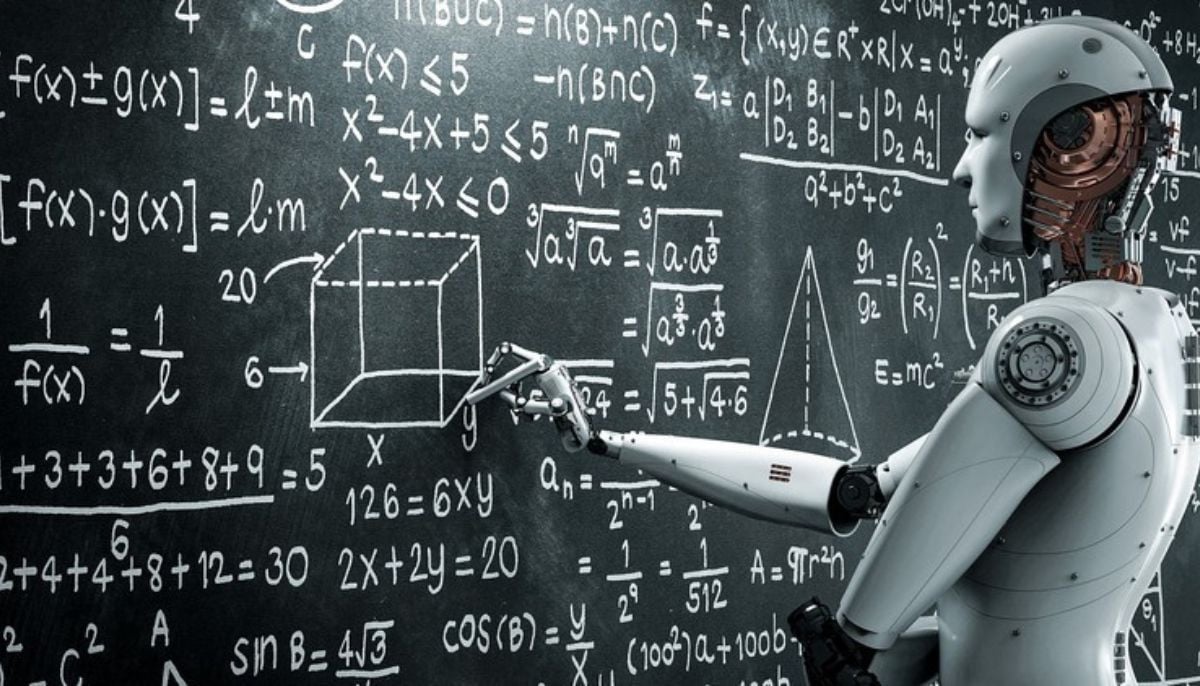
The traditional landscape of mathematics, long defined by abstract symbols and solitary blackboard sessions, is undergoing a profound transformation through the integration of artificial intelligence.
Researchers are increasingly pairing large language models (LLMs) with formal proof assistants, such as Lean and Coq, to pioneer fresh methods and verify intricate theorems with unprecedented speed.
Historically, the discipline has demanded an intensity of focus that made initial AI tools less effective.
As Verify Complex noted, the field "requires practitioners to maintain extended concentration while they acquire extensive fundamental understanding."
Early LLMs were prone to errors that failed the extreme rigour required for mathematical certainty. However, the current synergy between generative AI and proof assistants allows systems to explore potential solutions while simultaneously automating the verification of reasoning.
This hybrid approach is currently being tested on diverse mathematical challenges, including those famously proposed by the late Paul Erdős.
By lowering the barrier to entry, these tools are expected to provide junior researchers with a significant head start on complex problems.
Ultimately, the partnership between human intuition and machine verification aims to make formal proofs more accessible, drastically reducing the time and labour traditionally associated with high-level discovery.
Experts anticipate that this evolution will not only reshape how theorems are developed but also democratise the pursuit of mathematical truth for a new generation of scholars.