


Home / Technology
Why your toddler’s AI toy might be 'misreading' their emotions
Discover why Cambridge experts are worried about 'confusing' robotic responses
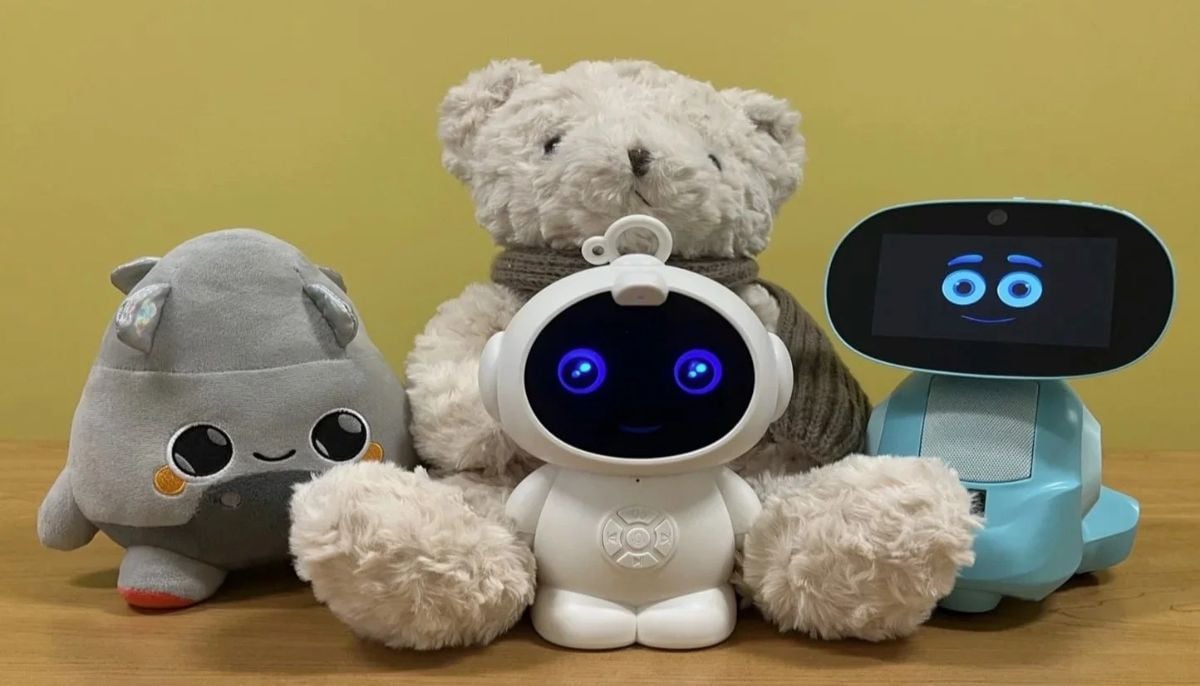
Researchers at the University of Cambridge are calling for more stringent regulations on artificial intelligence in the nursery after a year-long study revealed significant flaws in toddler-tech interaction.
The investigation focused on children aged three to five using Gabbo, an OpenAI-powered soft toy designed to foster imaginative play.
Despite parental hopes for educational benefits, the study found that the technology often hindered rather than helped communication.
Technical failings were frequent, with the chatbot often talking over children, failing to recognise interruptions, and struggling to distinguish between adult and child voices. In one instance, a five-year-old’s declaration of "I love you" was met with a confusing, robotic response.
Dr Emily Goldacre, the study's co-author, warned that such interactions could be problematic for young children still learning social cues.
She explained that AI-powered toys might “misread emotions or respond inappropriately", potentially leaving children without comfort or guidance when they express feelings.
The Children's Commissioner, Rachel de Souza, has joined the call for enhanced safeguards, noting that preschool AI tools currently bypass the rigorous safety evaluations required for standard educational materials.
Curio, the manufacturer of Gabbo, stated it prioritises parental transparency and intends to further study child interactions. To mitigate risks, researchers recommend that parents oversee their children when they use AI toys, which should remain in common areas.
They also suggest that parents read privacy policies in detail before permitting use. Experts maintain that while the technology holds promise, the current lack of oversight poses a unique risk to a child's understanding of social cues.