


Home / Lifestyle
Dr Kunal Sood reveals five essential facts about liver health
Discover why half of liver disease patients may have normal blood results
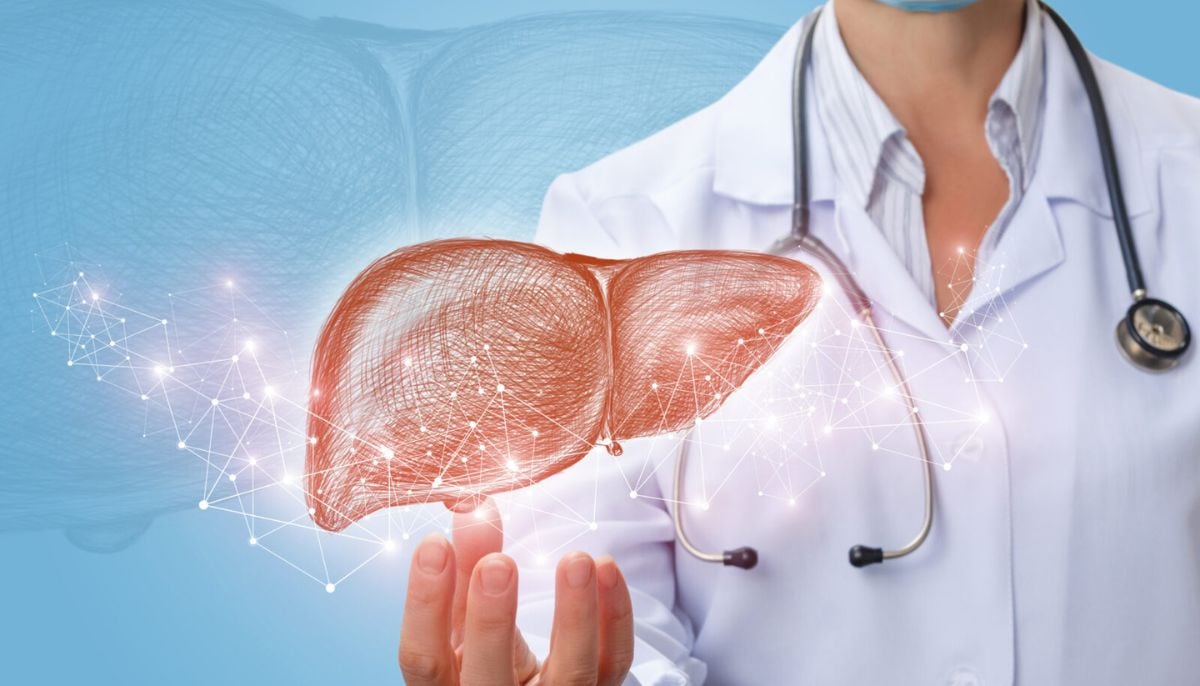
Liver health is increasingly becoming a focal point of preventative medicine as metabolic conditions rise globally.
Dr Kunal Sood, an anaesthesiologist and interventional specialist, shared five critical insights regarding liver function on 10 March, aiming to dispel common myths surrounding organ health.
He particularly addressed the misconception that liver disease is solely the result of alcohol consumption, noting that metabolic dysfunction-associated steatotic liver disease (MASLD) is frequently driven by insulin resistance.
According to Dr Sood, “Metabolically-dysfunction-associated steatotic liver disease (MASLD/NAFLD) occurs when fat accumulates in liver cells despite little or no alcohol intake.”
He warned that diagnostic tests can be misleading, as "AST and ALT rise mainly when liver cells are actively injured."
Consequently, up to 50 per cent of patients may present with normal laboratory results despite having fat accumulation or slow-developing fibrosis.
The physician also highlighted how lifestyle choices directly impact hepatic stress. Visceral belly fat and sugary drinks are primary contributors to liver inflammation.
Regarding the metabolism of sweetened beverages, Dr Sood explained, “Fructose in sweetened beverages is primarily metabolised in the liver.
It strongly stimulates de novo lipogenesis, converting excess sugar into fatty acids stored as triglycerides in hepatocytes.”
Fortunately, the liver possesses remarkable regenerative capabilities. Dr Sood noted that a reduction in body weight of five to ten per cent can significantly reduce liver fat.
He concluded that “Weight loss reduces fatty acid delivery to the liver and improves insulin sensitivity,” offering a clear pathway for individuals to reverse early-stage fatty liver disease through modest lifestyle interventions.
Note to readers: This article is for informational purposes only and not a substitute for professional medical advice. Always seek the advice of your doctor with any questions about a medical condition.