


Home / Lifestyle
Why younger adults are most at risk from this rare blood-production disorder
Discover why persistent fatigue could be a sign of a critical blood-production failure
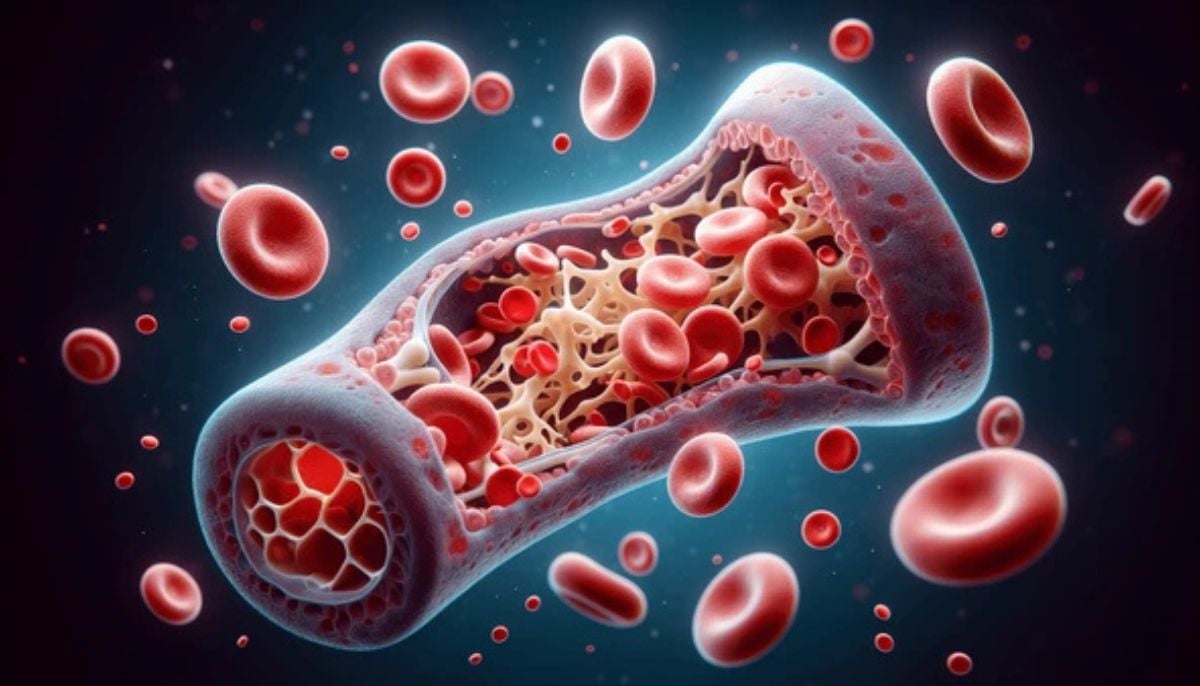
Aplastic anaemia, a rare but perilous condition often described as "bone marrow failure", represents a critical breakdown in the body's internal blood-production factory.
Unlike common anaemia caused by iron deficiency, this disorder involves a functional shutdown of the marrow.
Dr Sandip Shah, of the Vedanta Institute of Medical Sciences, warned that it is a condition "in which the bone marrow fails to produce enough red blood cells, white blood cells, and platelets."
He noted that without intervention, patients "remain at high risk of life-threatening infections and bleeding."
Diagnosis typically requires a bone marrow biopsy, which Dr Shah explained: "usually shows low counts in all three blood cell lines along with bone marrow that is largely replaced by fat." While the exact cause is often unknown, several triggers have been identified:
- Genetic causes and autoimmune attacks on stem cells.
- Environmental factors: Exposure to radiation or chemicals such as benzene.
- Medical triggers: Certain drugs and viral infections.
Treatment outcomes have improved significantly, with cure rates for young patients reaching 90 per cent through stem cell transplants.
For those unsuitable for surgery, a "triple immunosuppressive therapy" can improve survival in nearly 60 per cent of cases.
However, Dr Shah highlighted significant systemic barriers in India, including limited access to specialised care and a lack of public willingness to join stem cell registries.
He concluded that "recognising warning signs should lead to early medical consultation," urging stronger public support to ensure more patients find life-saving donors.
Note to readers: This article is for informational purposes only and not a substitute for professional medical advice. Always seek the advice of your doctor with any questions about a medical condition.