


Home / Lifestyle
Dr Kunal Sood reveals why your 'period' on pill is actually a myth
Discover why birth control was designed to mimic a process, it actually stops
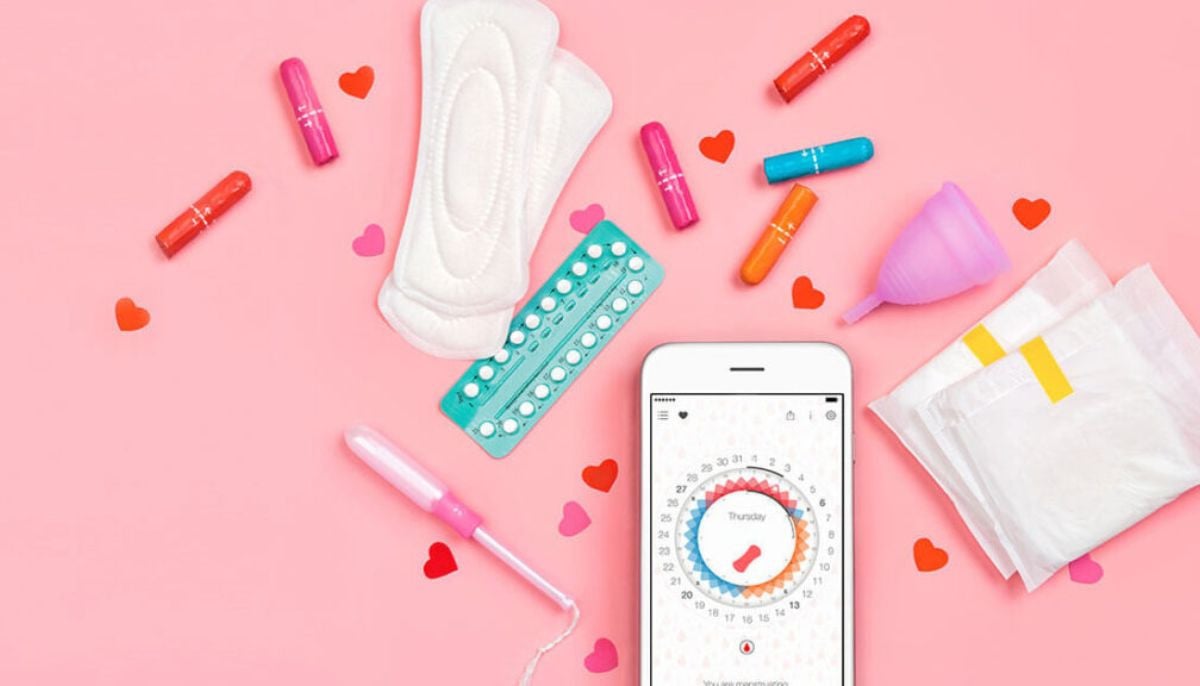
Hormonal contraceptives are frequently used to regulate cycles and prevent pregnancy, yet a common misconception remains regarding the monthly bleeding experienced by users.
Dr Kunal Sood, an anaesthesiologist and interventional pain specialist, recently clarified that the bleeding occurring during the final week of a pill cycle is not a physiological menstrual period.
Speaking in a social media update on Sunday, Dr Sood explained that natural menstruation is driven by hormonal fluctuations that thicken the uterine lining; however, birth control pills function by suppressing this process.
The physician noted that the medications maintain steady hormone levels, preventing the uterine lining from thickening.
Consequently, the bleeding triggered during the placebo week is technically a "withdrawal bleed" caused by the temporary cessation of hormones.
“The period you get on many birth control pills isn't actually a true menstrual period. Here's why. A natural menstrual period happens when hormone levels rise and fall during a normal cycle, causing the lining of the uterus to build up and then shed,” Dr Sood observed.
Regarding the medical necessity of this monthly occurrence, Dr Sood provided the following insights:
- Historical context: The placebo week was originally designed decades ago to mimic a natural cycle, making the contraceptive feel more familiar to users.
- Clinical benefits: Menstrual suppression is often utilised to manage conditions such as anaemia, endometriosis, and severe cramping.
- Safety of skipping: Dr Sood stated, “Medically, many people can safely take active pills continuously and skip the withdrawal bleed if their clinician recommends it.”
Ultimately, he emphasised that whilst a monthly bleed is not medically required, individuals should consult healthcare professionals to tailor their approach.
Note to readers: This article is for informational purposes only and not a substitute for professional medical advice. Always seek the advice of your doctor with any questions about a medical condition.