


Home / Lifestyle
Experts reveal how to spot dangerous counterfeit protein supplements
A new guide helps gym-goers navigate the hazardous world of fake protein
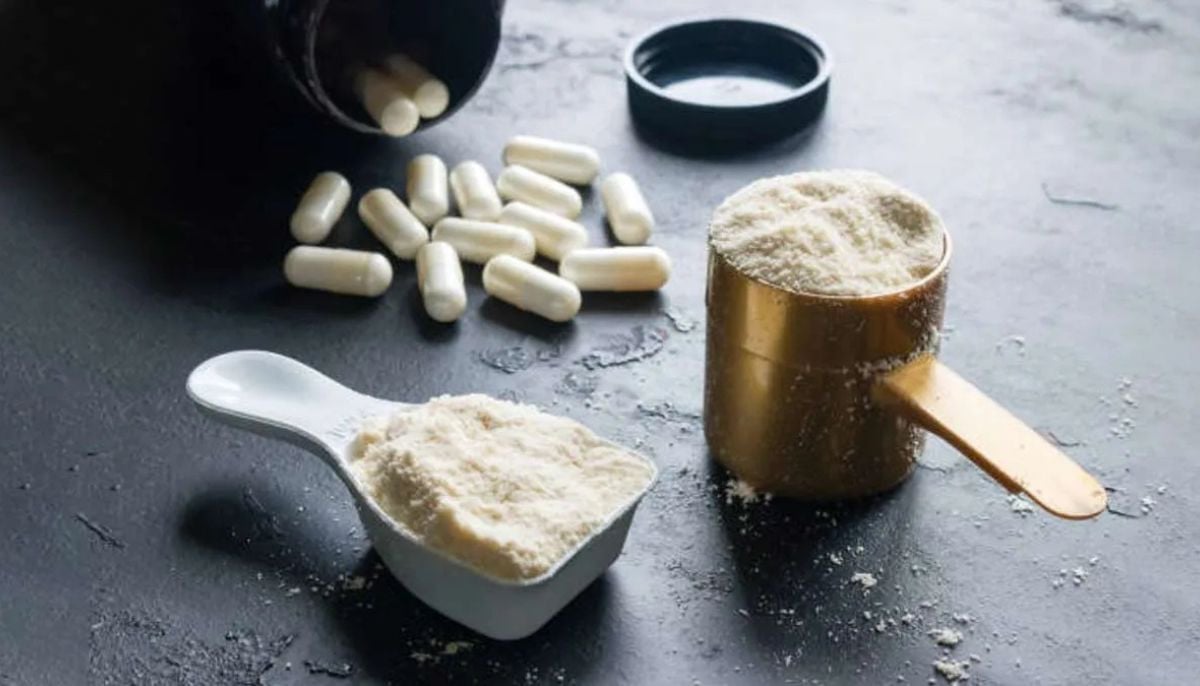
The global fitness community is facing a growing challenge as counterfeit bodybuilding supplements become increasingly prevalent within the market.
This surge in fraudulent products means that the significant sums athletes spend on protein powders may not only be wasted but could also pose serious risks to their physical health.
To navigate this hazardous landscape, experts have released a comprehensive guide to help consumers distinguish authentic products from dangerous imitations.
Certified nutrition coach Tanisha Bawa highlights that understanding personal requirements is the first step in safe supplementation.
"For example, if a person weighs 90 kilograms, they need about 75-80 grams of protein each day. This amount is for people who are not exercising," she explains, noting that those who work out require double that amount for muscle recovery.
"If you want to build muscle and lower body fat, aim for 0.8 to 1.25 grams of protein per 0.4 kg of body weight each day," Bawa adds.
Verification protocols for safe supplementation
- The identification test: Consumers are urged to verify unique identification numbers and import stickers. “Always buy directly from the company or authorised dealers. Avoid using mediators for these products. Each product has a unique identification number and an expiry date that you can scan,” states Amaresh Ojha.
- The mixing and price test: Quality remains a primary indicator of authenticity. "A good protein supplement should cost at least £25 for a 1kg pack," notes fitness expert Ashish Gupta, who explains that genuine powders should dissolve without leaving residue or lumps.
- The digital scan: Verification via technology is essential. “Testing the barcode or QR code is a safe way to confirm its authenticity,” asserts fitness expert Jinnie Gogia Chugh.
Note to readers: This article is for informational purposes only and not a substitute for professional medical advice. Always seek the advice of your doctor with any questions about a medical condition.