


Home / Lifestyle
Potassium deficiency a silent threat as experts urge better diet habits
A balanced diet rich in potassium could help prevent stroke and heart failure
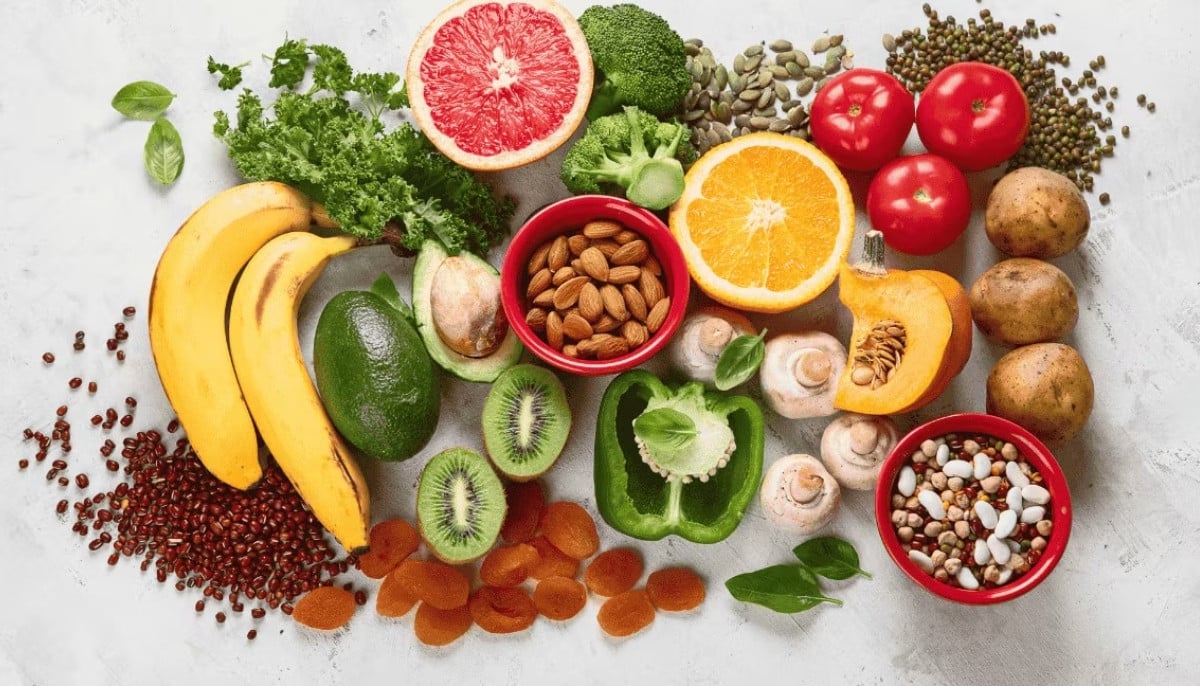
A potassium-rich diet could significantly reduce the risk of major cardiovascular conditions, with experts suggesting it may cut the likelihood of heart failure by up to 24% and stroke risk by 20%.
Health specialists warn that potassium deficiency remains a widespread yet often overlooked issue, affecting millions of people globally.
Low levels of the essential mineral have been linked not only to an increased risk of heart attacks and strokes but also to a range of lesser-known health problems.
According to Professor John Young of Teesside University, modern dietary habits are a key contributor to the problem.
High consumption of ultra-processed foods and excess salt intake can significantly lower potassium levels, while awareness about its importance remains limited.
Potassium plays a crucial role in maintaining overall bodily function. It helps regulate nerve signals, supports muscle contraction, maintains a steady heartbeat, and controls blood pressure by balancing the effects of sodium.
Even mild potassium deficiency can lead to symptoms such as muscle cramps, headaches, irritability, and constipation.
In more severe cases, it may cause irregular heartbeat, confusion, depression, digestive issues, and breathing difficulties—making it a serious health concern if left unaddressed.
Health authorities, including the National Health Service and World Health Organization recommend a daily intake of around 3,500 milligrams of potassium for adults.
However, studies show that many people—particularly women and younger individuals—fall short of this target.
Experts emphasize that increasing potassium intake through a balanced diet can improve heart health and lower the risk of hospitalization and premature death.
Foods such as potatoes, spinach, beans, yogurt, fish, and fruit juices are among the richest sources of potassium, often providing more of the mineral than bananas.
They advise reducing salt intake and improving overall diet quality, while supplements may be considered in some cases.
Ensuring adequate potassium intake, experts say, is a simple yet powerful step toward protecting long-term health and preventing life-threatening conditions.