Home / Technology
AI influencer awards to be held this year
Participants will vie for a total money pot of $20,000
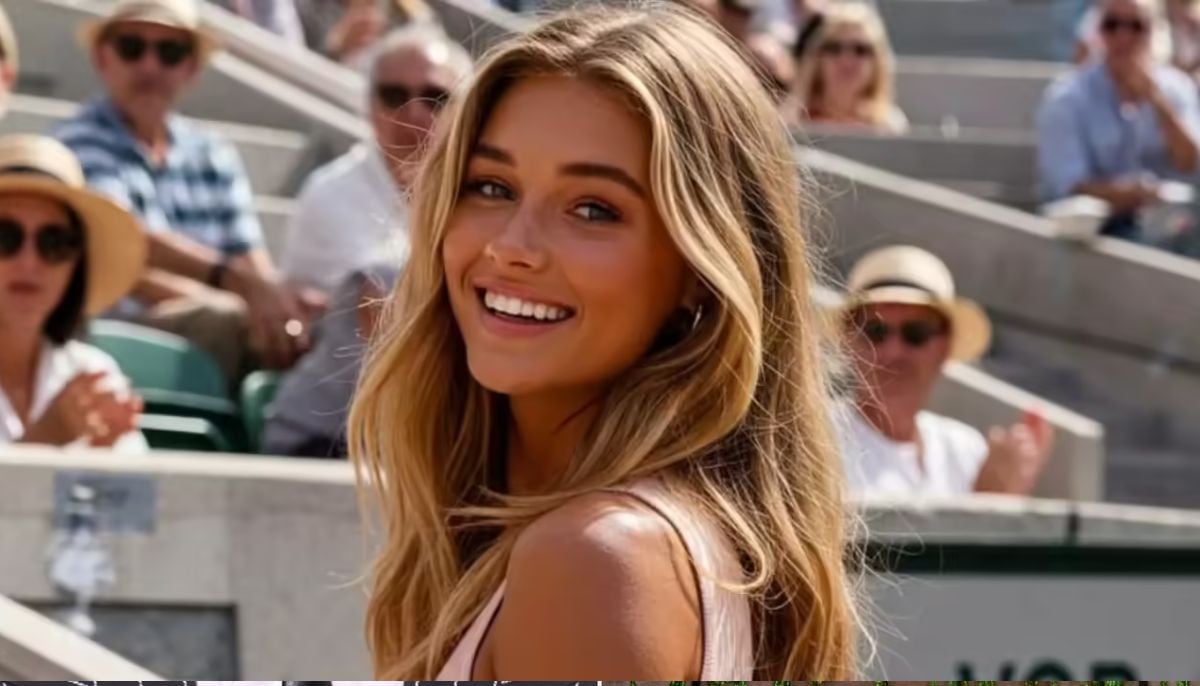
The AI beauty pageant was the start. Next came contests for AI music. Now, there's a new accolade up for grabs: AI Personality of the Year, perhaps the logical advancement for the AI influencer world as it evolves from a quirky trend to a significant and profitable industry.
This contest is a collaboration between generative AI firm OpenArt and AI-driven creative platform Fanvue, with support from AI voice specialists ElevenLabs.
It kicks off on Monday and continues for a full month. The organisers describe their goal as “honoring the innovative minds 'behind' AI Influencers” and acknowledging their increasing economic and cultural impact.
Participants will vie for a total money pot of $20,000, divided among a grand winner and various specific categories including fitness, lifestyle, comedy, music and dance performances, and characters from fiction, anime, or fantasy.
Winners will be announced at a May event being touted as the “‘Oscars’ for AI personalities.”
To participate, you need to create your AI influencer on OpenArt’s platform and enter at www.AIpersonality.ai.
You’ll need to provide social media links across platforms like TikTok, X, YouTube, and Instagram, along with a narrative about your character, motivations behind its creation, and any collaborative brand endeavors.
The judging panel includes 13‑time Emmy‑winning comedy scribe Gil Rief, architects of Spanish AI figure Aitana Lopez, and Christopher “Topher” Townsend, the MAGA musician responsible for AI-generated gospel artist Solomon Ray.
According to a judges’ guide seen by The Verge, entries will be evaluated on four factors: quality, social influence, brand attractiveness, and the avatar's backstory.
Criteria also involve engaging audiences consistently, maintaining a uniform appearance on social platforms, precise elements like having the “correct number of fingers and thumbs,” and presenting “a compelling story” for the avatar.
The competition is open to both experienced creators and newcomers, although existing AI influencers are still required to submit content developed on OpenArt’s platform, Matt Jones, Fanvue’s brand head, explained to The Verge.
Despite aiming to honor virtual influencer creators, Jones mentioned that entrants can choose to remain behind the scenes.
“If the individual behind this remarkable creation opts not to face the press or reveal their identity, that's perfectly acceptable,” he explained.
“The focus would solely be on celebrating the work itself, rather than propelling anyone into the public eye.”
Maintaining the creators’ anonymity seems peculiar for a competition emphasizing authenticity, especially in an AI influencer realm built on imaginary individuals, staged personas, and invented narratives.
This anonymity has also paved the way for questionable practices to flourish without sufficient oversight, from the AI white nationalist rapper Danny Bones to MAGA dream girl Jessica Foster.
The contest also faces ongoing issues, such as concerns over originality, whether AI-generated material or its depiction has been appropriated from genuine creators, and if these tools reproduce existing biases in a digital format.
Fanvue has already faced backlash over this: in 2024, a Guardian columnist criticised its “Miss AI” beauty contest for encapsulating “toxic gendered beauty ideals in an entirely unrealistic form.”
According to Jones at Fanvue, creators inherently infuse a part of themselves into the AI personalities they craft.
“It’s inevitable that you infuse a little of who you are into the stories and characters you create,” he expressed, encouraging creators to “embrace that aspect.”
This notion aligns with the influencer world: not absolutely real, but a type of synthetic authenticity that the online world is already accustomed to.