Home / Lifestyle
How 20-20-20 rule can save your vision from fatigue
Blinking rates drop significantly from twenty times per minute to just seven during screen use.
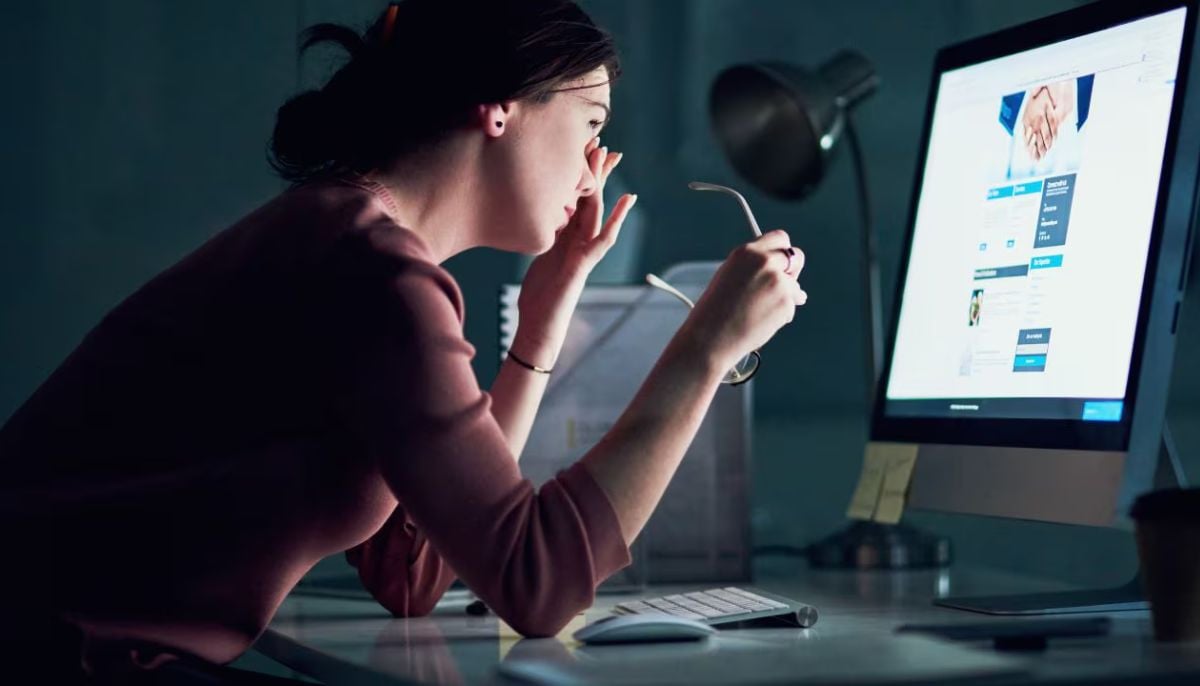
The post-pandemic shift to remote working has led to a significant increase in screen-related health complaints.
Professionals spending eight to ten hours on digital devices are increasingly reporting tired, dry, and strained eyes.
Dr Aarushi Bhardwaj, an ophthalmologist at Bhagwan Mahavir Hospital, explains, "Digital eye strain stems from prolonged screen exposure, where eyes constantly refocus on pixels and combat glare from LEDs."
A primary cause of discomfort is a reduced blink rate. Dr Bhardwaj notes, "Symptoms strike remote workers frequently, with dry and irritated eyes caused by reduced blinking, from 15–20 times per minute normally, down to just 4–7 during screen use."
This lack of lubrication, combined with blue light exposure and poor ergonomics, can lead to blurred vision and headaches.
To mitigate these risks, specialists recommend the 20-20-20 rule: looking at an object twenty feet away every twenty minutes. Optimising workstation height and lighting is also essential.
Dr Bhardwaj emphasises, "To preserve and improve eye health, we need to start prioritising it and give it the same importance as other health conditions."
Long-term prevention
Beyond immediate habits, regular professional evaluations are necessary to detect early signs of strain. Dr Bhardwaj concludes, "As our engagement with screens is deeply integrated into daily life, we must make conscious efforts to adopt these practices."
Simple adjustments, such as using artificial tears and seeking natural light, remain key to maintaining productivity without risking permanent vision damage.
Note: This information is for educational purposes only and does not count as medical advice. Readers should always consult a qualified doctor regarding any questions about their health or a medical condition.