Home / Technology
Activists celebrate Meta and YouTube's loss in pivotal social media addiction case
Jury determined Meta designed alluring social media platforms that negatively affected mental well-being
Parents and advocacy groups striving for stricter regulations on social media are celebrating a Los Angeles jury's historic decision in favour of a young woman who took legal action against Meta and YouTube over addiction issues stemming from social media in her youth.
The jury determined that Meta, the parent company of Instagram, Facebook, and WhatsApp, along with Google, YouTube's owner, deliberately designed alluring social media platforms that negatively affected the mental well-being of the 20-year-old.
The plaintiff, known publicly as Kaley, received a $6 million (£4.5 million) compensation, a decision that could impact numerous similar lawsuits currently progressing within American courts.
Both Meta and Google expressed disagreement with the judgment and plan to challenge the outcome.
Meta stated: "The mental health of teens is incredibly complicated and cannot be attributed to a single application.
"We intend to protect our stance vigorously in court as each situation is unique, and we trust in our proven commitment to safeguarding teens online."
A Google representative commented: "This case misinterprets YouTube, which is engineered as a responsible streaming service, not a social media network."
However, speaking with BBC Breakfast, Ellen Roome, pursuing legal action against TikTok after her son's passing, described the lawsuit as a "breaking point."
"How many more young lives will be endangered or lost due to these platforms?" she questioned.
"It has been shown to be unsafe - social media companies must take corrective action."
The jury concluded that Kaley should receive $3 million in compensatory damages and an additional $3 million in punitive damages, attributing that Meta and Google "acted with intentional harm, deceit, or fraud" in their platform operations.
Meta is responsible for 70% of Kaley’s damages, while Google will cover the remaining 30%.
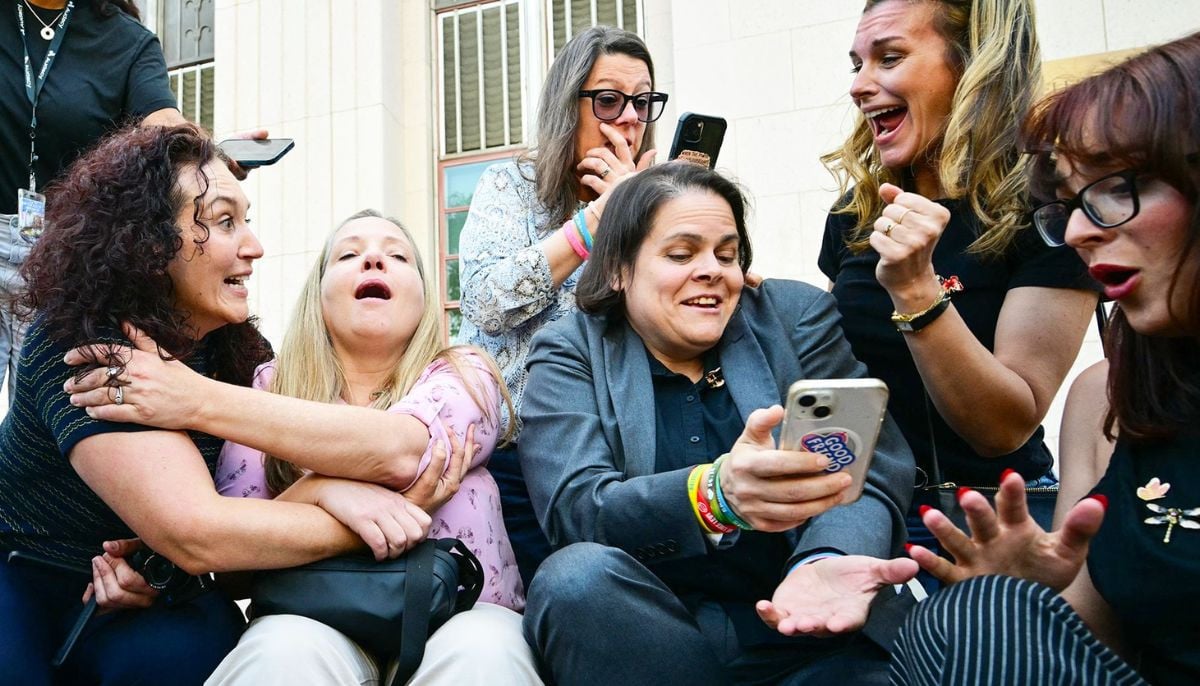
Parents of other affected children, who are not directly involved in Kaley’s lawsuit but allege harm from social media, gathered outside the courthouse on Wednesday, as they have during much of the five-week trial.
When the verdict was announced, parents like Amy Neville celebrated, embracing fellow parents and supporters who awaited the jury's decision.
The Los Angeles ruling followed another judgment in New Mexico holding Meta accountable for its platforms putting children at risk, exposing them to explicit material and potential threats from predators.
Mike Proulx, research director at the advisory firm Forrester, remarked that the consecutive judgments indicate a "tipping point" in the relationship between social media providers and the public.
Recently, countries like Australia have introduced restrictions to limit the use of social media among children. The UK is exploring a possible ban for users under 16 through a pilot program.
"Public discontent with social media has been growing for some time, and it has reached a boiling point," Proulx added.
Reacting to the decision, Prime Minister Sir Keir Starmer acknowledged the current situation is "unacceptable" and more decisive steps must be taken to protect minors.
Referring to the government's consultation on potentially banning social media for under-16s, he stated: "Change is inevitable. The real questions are the extent and specifics of our actions."