Home / Technology
Meta's AI model impresses early on, investors seek Zuckerberg's strategy
Meta has signaled plans to monetise this technology eventually by offering paid developer access
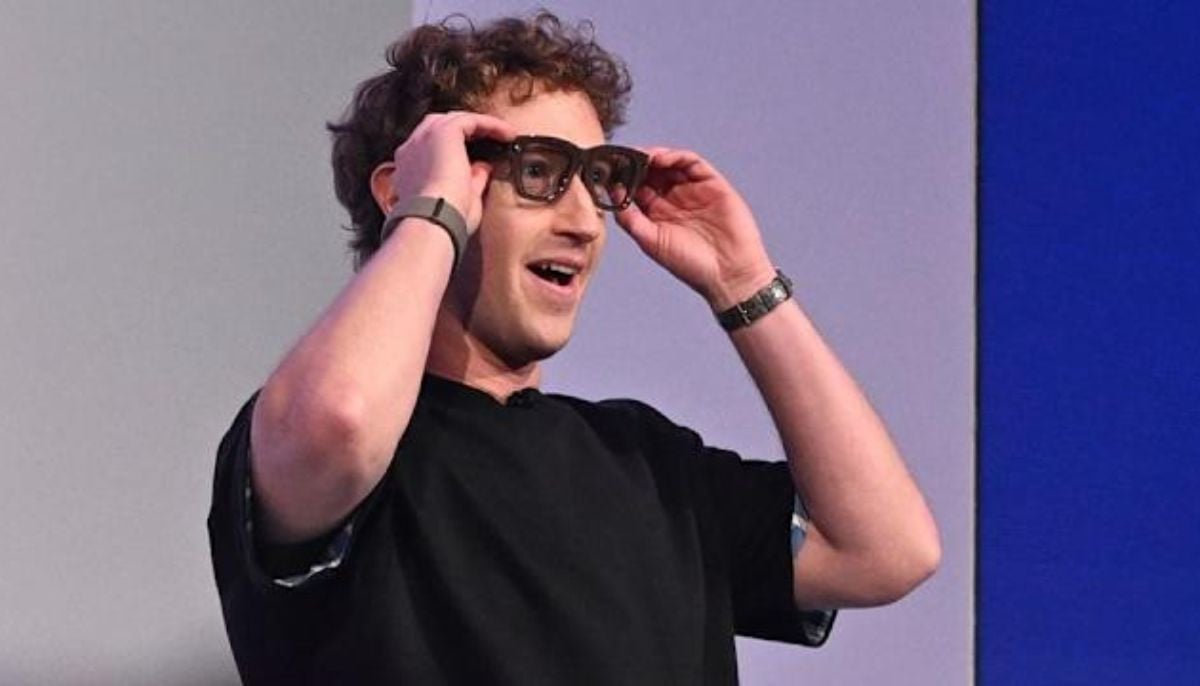
As Mark Zuckerberg banks on Meta's newly unveiled artificial intelligence (AI) system, Muse Spark, for revitalising the company's position in the prospering AI landscape, the advice and insights provided will be critical following first-quarter earnings on Wednesday.
This is due to the new model, previously named Avocado, which launched in early April, at the start of the second quarter.
Muse Spark signifies a major shift in Meta's AI blueprint, moving beyond past Llama models, distributed freely to the open-source network.
Meta has signaled plans to monetise this technology eventually by offering paid developer access, akin to strategies followed by OpenAI, Anthropic, and Google.
Analysts prioritise Meta's AI instruments continuing to enhance its leading ad operations and demonstrating its AI tools can compete effectively against industry frontrunners.
As per Arena.AI, a platform that evaluates top models' quality and performance, Meta AI lags behind Anthropic's Claude and Google's Gemini in text, but only Claude in vision, as of Sunday.
It currently leads OpenAI's GPT in both categories. Additionally, Claude also excels in documentation and coding sectors, where Meta ranks lower.
In a report to clients last week, analysts at Citizens described AI as an “enhancing asset” for Meta, indicating anticipation for more insights during the company’s earnings announcements.
"We are impressed with Meta's Muse Spark model," stated the analysts, who suggest investing in the stock, highlighting the model's proficiency in text and vision.
"While Meta successfully included Meta AI in its primary applications, we're awaiting a scaled consumer usage plan akin to other AI initiatives, like ChatGPT and Claude, believing it can unlock fresh data and advertising resources."
Meta's advertising sector remains strong, benefiting from improved targeting ability owed to AI growth.
Analysts forecast a 31% annual revenue boost for the initial quarter, reaching $55.6 billion, according to LSEG. This would signify the swiftest growth since 2021.
Nevertheless, Wall Street seeks AI-driven developments beyond advertising, as OpenAI and Anthropic observe their collective valuations surpass $1 trillion due to their AI models' surge in popularity.
Meta shares have increased by 24% over the past year, whereas Alphabet shares have soared by 116%, propelled by Gemini's growth.
When Meta launched Muse Spark earlier this month, it was highlighted as the first significant AI model from Meta Superintelligence Labs, guided by Alexandr Wang, the top AI executive.
Previously the CEO at Scale AI, Wang joined Meta in June as part of the company’s $14.3 billion investment into the data-labeling firm.
Zuckerberg continued with further significant hires. Former GitHub CEO Nat Friedman and Daniel Gross, who previously led AI startup Safe Superintelligence, which Ilya Sutskever co-founded in 2024 after parting ways with OpenAI, were recruited.
Meta demonstrated through internal assessments, published alongside Muse Spark’s launch, suggesting the model is less potent than Anthropic's other forefront AI models, a strategy to set realistic initial expectations.
Regardless, analysts voiced relief as Meta finally made an entrance, expecting more models down the line.
JPMorgan Chase analysts remarked last week that Muse Spark "has repositioned Meta within the AI dialogue."
The company announced Thursday it would cut 10% of its workforce, eliminating about 8,000 roles on May 20, to streamline operational efficiency.
This occurs as Meta channels funds into AI infrastructure, informing investors this January that projected 2026 AI-related capital expenses would range from $115 billion to $135 billion, an increase from $72.2 billion in 2025.