Home / Technology
Mark Cuban warns biggest career mistake is letting AI do your thinking
Mark Cuban has issued a stark warning to workers rushing to embrace AI
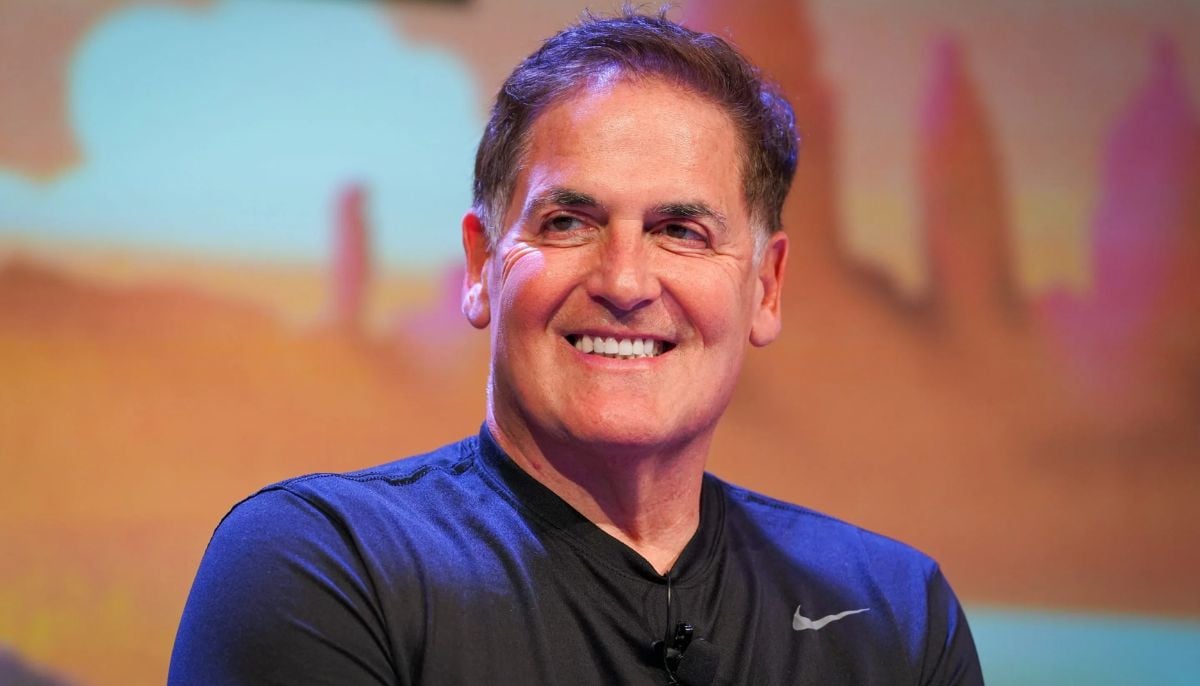
Mark Cuban has issued a stark warning to workers rushing to embrace artificial intelligence (AI), saying the biggest career mistake people can make right now is allowing AI to do their thinking for them instead of using it to become smarter.
Speaking on the Big Technology Podcast during the Dallas Regional Chamber’s Convergence AI event, Cuban said the workplace is rapidly splitting into two camps: employees who use AI to avoid effort and those who use it to accelerate learning.
“I think right now we’re bifurcating into two types of people that use AI — people who use AI so they don’t have to learn anything and people who use AI so they can learn everything,” Cuban said, arguing that the distinction could define who thrives and who gets left behind in the next wave of job disruption.
The billionaire entrepreneur warned that workers treating AI like a shortcut or a “drunk intern” for basic tasks may see a temporary productivity bump, but risk hollowing out the very judgment and expertise employers will soon prize most.
Instead, Cuban said AI should be used to question assumptions, explore unfamiliar subjects and sharpen decision-making.
His comments come amid mounting anxiety over how automation is reshaping white-collar jobs, particularly in technology and administrative work.
While many firms are aggressively integrating AI into everyday workflows, Cuban insists the technology is more likely to eliminate repetitive execution than replace workers capable of curiosity, analysis and consequence-based thinking.
“If all you’re doing is reformatting or answering yes-or-no questions, there’s a good chance you’re going to be replaced,” Cuban said. “But if you know how to think critically, you’re always going to have a job.”
Cuban has repeatedly argued that AI is not a substitute for intelligence but a force multiplier for people willing to learn faster than everyone else — a divide he believes will increasingly determine whose careers surge in the years ahead.