Home / Technology
Duolingo CEO admits AI can't beat human artists
Luis von Ahn has revealed that AI still can't match the creativity and polish of his top designers
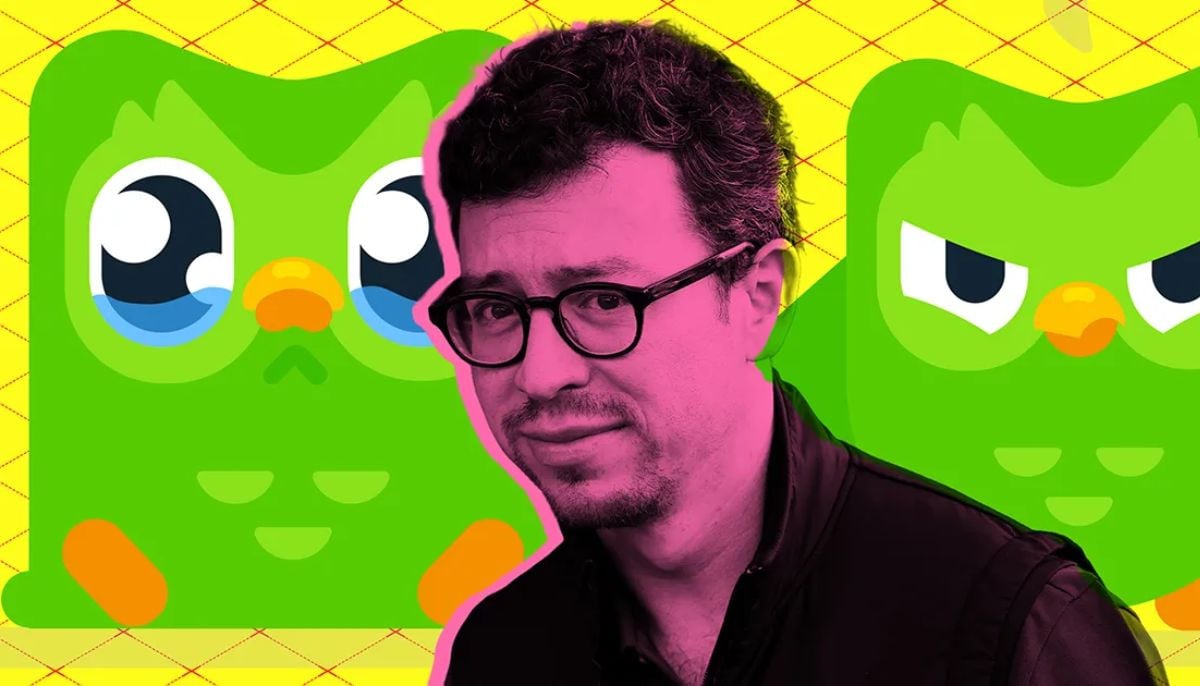
Duolingo has publicly walked back its aggressive "AI-first" strategy after facing a backlash from employees and the public. In a recent podcast appearance, CEO Luis von Ahn explained the company's decision to reverse a rule that would have partly based employee performance on their usage of artificial intelligence.
Initially, the company had announced it would reduce its reliance on contractors for work that AI could handle, sparking fears about the devaluation of human contributors.
However, von Ahn now admits the mandate was a misstep. "I don't think that was right," he said on the "Rapid Response" podcast. He explained that the rule prompted employees to use AI in areas where it was unnecessary or unhelpful.
"So, making a blanket statement that we were going to evaluate employees on their usage of AI was not needed," he added, confirming, "We've removed that." Von Ahn acknowledged that while most employees can benefit from using AI, there are certain projects and roles where it simply doesn't help. He conceded that he "did not expect the amount of blowback" the initial policy caused.
The irreplaceable human touch
When asked where AI still falls short, von Ahn pointed directly at the creative heart of his company: its artists and designers. He stressed that Duolingo would not compromise on the quality of its app just to incorporate more AI. "For some things, AI is quite ready to do high-quality work. For some things, it's just not," he said.
In comments detailed by Business Insider, von Ahn praised the unique skills of his team. "We hire a lot of artists and designers, and our app is very high-craft when it comes to design," he explained. "We're just not seeing AI get to the level of creativity or the level of polish that our top people have, by any means."
This view is shared by many in the design industry, who argue that while AI is a powerful tool for automating tasks, it lacks the emotional intelligence and critical thinking essential for truly effective design. The trend in creative industries, even for brands like Kate Spade and Coach, is shifting towards a model where designers guide AI as a collaborative partner rather than being replaced by it.
AI's expanding role in learning
Despite these creative limitations, Duolingo remains a firm believer in AI and continues to integrate it heavily into its products. The company has used generative AI to dramatically scale its operations, creating 148 new language courses in less than a year - a task that would have previously taken over a decade to complete.
At its recent Duocon events, the company showcased new AI-powered features designed to make learning more interactive and immersive. These include a "Video Call" feature that allows users to have realistic conversations with AI characters and "Adventures," a new game-like experience. AI has also been instrumental in the company's expansion into new subjects like music and chess.
The company's journey highlights a broader trend across many industries. The focus is shifting from replacing humans with technology to finding the most effective ways for them to work together.